


Content Menu
● How Aspartame is Metabolized
● Scientific Evidence Overview
● Industry Applications and Alternatives
● FAQ
>> 1. Is Aspartame Safe for Daily Use?
>> 2. Does Aspartame Cause Cancer?
>> 3. Who Should Avoid Aspartame?
>> 4. How Much Aspartame is Too Much?
>> 5. What are Aspartame Alternatives?
Aspartame, one of the most widely used artificial sweeteners, has fueled intense debates about its health impacts for decades. Discovered in 1965, aspartame provides sweetness 200 times greater than sugar with virtually no calories, making it a staple in diet products worldwide. Regulatory bodies like the FDA, EFSA, and WHO consistently affirm its safety within established limits, despite persistent controversies.[1][2]
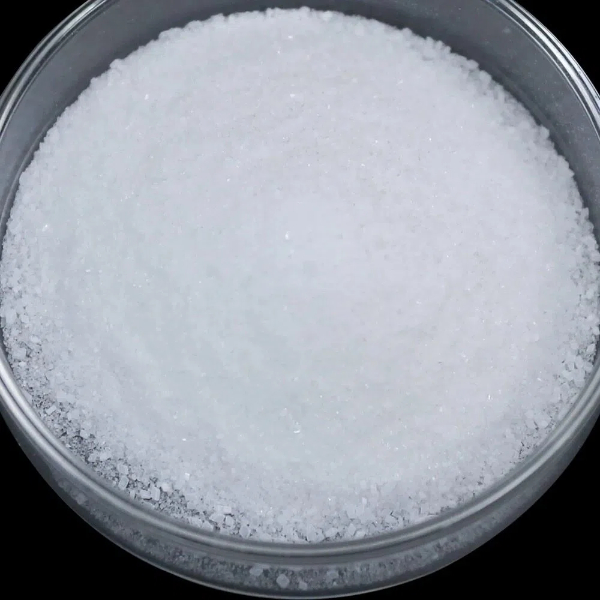
Aspartame consists of two amino acids—aspartic acid and phenylalanine—bound together with a methyl group, forming a dipeptide methyl ester with the chemical formula C14H18N2O5. This structure allows aspartame to deliver potent sweetness without the caloric load of sugar, ideal for low-calorie formulations in foods, beverages, and pharmaceuticals. Factories specializing in natural sweeteners, functional polyols, and dietary fibers frequently incorporate aspartame into blended products for OEM/ODM services targeting international manufacturers in the food, beverage, and healthcare sectors.[3][4]
Unlike sugar alcohols or high-intensity natural sweeteners, aspartame breaks down completely during digestion, producing components already present in everyday diets from proteins and fruits. Its clean taste profile, lacking the bitter aftertaste of some alternatives, enhances consumer appeal in sugar-free gums, sodas, and tabletop sweeteners like Equal and NutraSweet. Chinese factories leverage aspartame expertise to develop custom mixed sweetener solutions, ensuring stability in tablets and powdered mixes for global export.[5][6]
Upon ingestion, aspartame undergoes rapid hydrolysis in the small intestine via peptidases and esterases, yielding methanol, aspartic acid, and phenylalanine in a 1:1:1 ratio. These metabolites enter standard metabolic pathways: methanol converts to formaldehyde and then formic acid, which the liver efficiently detoxifies; aspartic acid and phenylalanine integrate into protein synthesis and neurotransmitter production. Peak plasma levels of these components occur within hours and return to baseline quickly, even at doses far exceeding typical consumption.[7][8]
This process mirrors natural breakdown from dietary sources—methanol from tomatoes or aspartic acid from milk—ensuring no aspartame accumulation in the body. Studies demonstrate that even at 200 mg/kg body weight, metabolite levels stay below thresholds causing harm. For manufacturers providing health solutions, precise knowledge of aspartame metabolism informs the creation of synergistic blends with dietary fibers and polyols, optimizing bioavailability in functional beverages and supplements.[2][3]
In phenylketonuria (PKU) patients, phenylalanine metabolism falters, necessitating strict avoidance and labeling on aspartame-containing products. Regulatory assessments confirm no other populations face elevated risks from this pathway.[9]
The FDA approved aspartame in 1981 after reviewing over 100 studies, setting an ADI of 50 mg/kg body weight—equivalent to 18-19 cans of diet soda daily for a 70kg adult. EFSA's 2013 full re-evaluation of 600+ datasets upheld a 40 mg/kg ADI, dismissing concerns over genotoxicity, carcinogenicity, and neurotoxicity. WHO's JECFA echoed this in 2023, separating IARC's "possibly carcinogenic" classification (Group 2B, based on limited evidence) from risk assessments showing no hazard at real-world intakes.[10][1][2]
Over 90 countries, including the EU, Japan, and Canada, endorse aspartame safety, with continuous monitoring. These approvals stem from rigorous toxicology, epidemiology, and clinical trials, far surpassing requirements for many natural additives. Factories aligning with these standards excel in exporting aspartame-blended health products, from low-sugar tablets to functional drinks.[4][11]
Aspartame supports weight management by enabling calorie-reduced versions of favorite foods, with meta-analyses showing users maintain lower body weights compared to sugar consumers. In diabetes care, aspartame avoids glycemic spikes, aiding blood sugar control as validated by ADA guidelines. Its role in oral health shines through reduced cavity risk in sugar-free gums and candies.[12][5]
Beverage giants rely on aspartame for diet colas, sports drinks, and flavored waters, collectively cutting global sugar intake by billions of kilograms annually. In healthcare, aspartame sweetens pediatric syrups, protein shakes, and nutritional supplements without compromising efficacy. Blending aspartame with natural fibers enhances satiety in meal replacements, a strategy factories use for comprehensive health solutions.[13][14]
Long-term cohort studies, like the Nurses' Health Study, link aspartame use to better metabolic profiles, underscoring its value in preventive nutrition.[1]
IARC's 2023 Group 2B listing for aspartame cites limited animal data (e.g., Ramazzini rat studies showing lymphomas) and inconsistent human epidemiology, placing it alongside coffee or cellphones. However, JECFA, FDA, and EFSA critiqued these for methodological flaws—high doses irrelevant to humans, poor controls, and confounding factors. Over 200 peer-reviewed studies, including large-scale human trials, find no causal cancer link with aspartame.[15][2][1]
Epidemiological reviews of millions of consumers show null associations with brain, blood, or digestive cancers. Network toxicology hints at aspartame interacting with cancer-related proteins, but lacks in vivo confirmation. Recent studies explore oxidative stress from metabolites, yet human doses produce negligible effects.[16][17]
Headache reports anecdotally tie to aspartame, but double-blind trials attribute them to placebo or caffeine withdrawal, not aspartame itself. Digestive sensitivities occur rarely, typically in monosodium glutamate reactors, but population studies show no prevalence increase. Neurological claims (e.g., seizures, dementia) fail replication in controlled settings.[18][9]
Prenatal and pediatric safety holds firm, with no developmental deficits except in PKU models. Emerging research on gut microbiome effects remains preliminary, with no clinical outcomes. Moderation remains key, as with any additive.[19]
Meta-analyses aggregate thousands of participants, consistently refuting harm claims. EFSA's review integrated animal, in vitro, and human data, confirming aspartame's safety margin exceeds 1,000-fold. Harvard's prospective studies track aspartame over decades, finding protective effects against obesity-related diseases.[2][1]
Criticized studies often involve extreme exposures (e.g., lifelong high doses in rodents), irrelevant to human patterns where average intake is 4-10 mg/kg daily. Future research prioritizes precise exposure biomarkers and diverse populations.[15]
Found in 6,000+ products, aspartame sweetens Diet Coke, Pepsi Max, sugar-free yogurts, Trident gum, Jell-O, and protein bars. A single diet soda contains ~180mg, well below ADI. Pharmaceuticals use aspartame in chewables and lozenges for palatability.[14][13]
Factories produce aspartame-infused tablets and powders, blending with stevia or erythritol for superior taste in OEM runs. This ubiquity drives sugar reduction campaigns worldwide.[5]
Approval faced 1970s hurdles over Searle data integrity, leading to audits that cleared aspartame. Activists like John Olney raised early alarms, delaying beverages until 1983. Media sensationalism amplified myths, persisting despite exonerations.[20][21]
Modern IARC scrutiny reignites debate, but evidence-based regulators hold steady. Transparency in labeling empowers informed choices.[15]
Chinese factories pioneer aspartame in functional blends—pairing with inulin fibers for gut health or monk fruit for natural appeal. OEM/ODM services customize for beverages, tablets, and healthcare, meeting stringent export specs. Alternatives like sucralose or polyols complement aspartame in hybrid formulas.[5]
Aspartame proves safe and effective for most people within ADI limits, supported by exhaustive scientific scrutiny outweighing anecdotal fears. Its contributions to calorie control, diabetes management, and product innovation remain unmatched. PKU avoidance aside, aspartame enhances healthy living when used mindfully.[1][2]

Yes, regulatory bodies confirm aspartame safety below 40-50 mg/kg daily, far exceeding typical diets.[2][1]
No robust human evidence supports this; Group 2B reflects weak, inconclusive data.[1][15]
PKU patients due to phenylalanine; others safe in moderation.[9]
A 70kg person can consume 2,800mg daily (14+ diet sodas) per JECFA ADI.[1]
Stevia, erythritol, and blends offer options; factories combine them seamlessly.[5]
[1](https://www.who.int/news/item/14-07-2023-aspartame-hazard-and-risk-assessment-results-released)
[2](https://www.efsa.europa.eu/en/press/news/131210)
[3](https://en.wikipedia.org/wiki/Aspartame)
[4](https://www.fda.gov/food/food-additives-petitions/aspartame-and-other-sweeteners-food)
[5](https://caloriecontrol.org/aspartame/)
[6](https://webbook.nist.gov/cgi/cbook.cgi?ID=C22839470&Contrib=IARPA-IR-S&Type=IR-SPEC&Index=0)
[7](https://academic.oup.com/nutritionreviews/article/74/11/670/2281652)
[8](https://go.drugbank.com/drugs/DB00168)
[9](https://pmc.ncbi.nlm.nih.gov/articles/PMC8227014/)
[10](https://www.americanbeverage.org/education-resources/blog/the-world-health-organization-affirms-aspartame-is-safe/)
[11](https://www.efsa.europa.eu/en/corporate/pub/factsheetaspartame)
[12](https://theconversation.com/aspartame-the-artificial-sweetener-is-calorie-free-but-not-risk-free-a-nutritionist-explains-254318)
[13](https://www.foodwatch.org/en/where-is-aspartame-hiding-in-our-everyday-products)
[14](https://www.nbcnews.com/health/cancer/foods-contain-aspartame-artificial-sweetener-possible-carcinogen-rcna93913)
[15](https://en.wikipedia.org/wiki/Aspartame_controversy)
[16](https://www.nature.com/articles/s41598-024-62461-w)
[17](https://pmc.ncbi.nlm.nih.gov/articles/PMC10053704/)
[18](https://mindthegraph.com/blog/aspartame/)
[19](https://pmc.ncbi.nlm.nih.gov/articles/PMC12286081/)
[20](https://www.linkedin.com/pulse/how-aspartame-became-legal-timeline-richard-col%C3%B3n-jr)
[21](https://themolokaidispatch.com/aspartame-timeline/)


