
Views: 222 Author: Sara Publish Time: 2025-11-03 Origin: Site


Content Menu
● How sweet is sucralose compared to sugar?
● Taste profile and aftertaste considerations
● Impact on health and metabolism
● Applications and formulation guidance for manufacturers
● Regulatory context and labeling
● FAQ
>> 1. How many times sweeter is sucralose than sugar?
>> 2. Can sucralose be used in baking?
>> 3. Does sucralose affect blood sugar or insulin?
>> 4. How does sucralose compare to natural sweeteners like stevia or monk fruit?
>> 5. What should manufacturers consider when formulating with sucralose for overseas markets?
Sucralose is a high-intensity artificial sweetener widely used in food and beverage formulations worldwide. In most applications, sucralose is about 600 times sweeter than table sugar, enabling sugar reduction without sacrificing perceived sweetness. This article explores how sucralose compares to sugar and other sweeteners, discusses practical culinary use, addresses safety and regulatory considerations, and highlights the relevance for manufacturers supplying health-ingredient solutions to overseas customers. Throughout, the term Sucralose appears frequently to reflect its central role in modern sweetening strategies.[1][5][7]
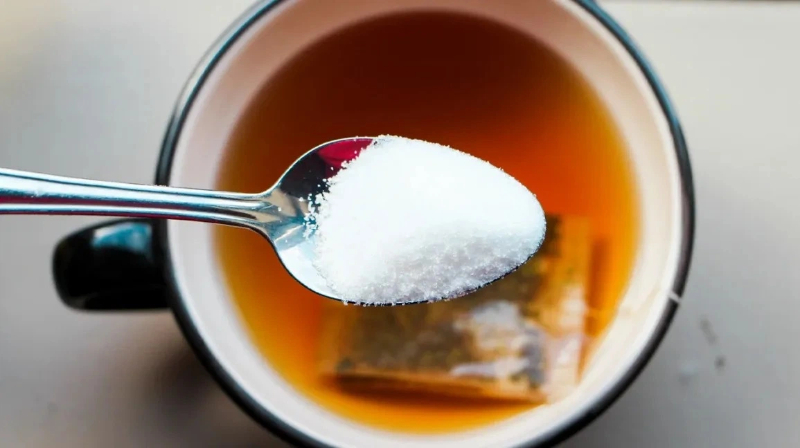
- Sweetness intensity: Sucralose is approximately 600 times sweeter than table sugar. This vast difference means only a small amount is needed to achieve the same sweetness level as sugar in most foods and drinks.[5][7]
- Practical substitution: In many recipes, sucralose can replace sugar on a roughly 1:1 basis in terms of perceived sweetness, but because it is so potent, formulators often begin with much smaller increments and adjust for taste, mouthfeel, and aftertaste.[7]
- Temperature stability: Sucralose remains stable under heat, making it suitable for baking and cooking where sugar replacement is desired without compromising sweetness. This stability supports product development in beverages, baked goods, dairy, and confectionery.[5]
- Clean sweetness: Sucralose typically delivers a clean, sugar-like sweetness with minimal aftertaste for many users, which contributes to its popularity in beverages and many baked goods. However, some individuals may perceive a slight aftertaste or off-notes at certain concentrations or in specific formulations.[9][1]
- Comparison to natural sweeteners: Natural sweeteners such as stevia or monk fruit offer different taste experiences (potential herbal or fruity notes, and sometimes bitterness at higher dosages). In product design, sucralose is often chosen for neutral sweetness in general-purpose applications, while natural sweeteners are selected for distinctive flavor profiles.[3]
- Blends and formulations: Many manufacturers blend sucralose with bulking agents, flavors, or other sweeteners to tailor sweetness curves, reduce aftertaste, or optimize texture in low-calorie products.[8][3]
- Calorie content: Sucralose is a non-nutritive sweetener with negligible calories, facilitating calorie reduction in reformulated products. This characteristic is advantageous for weight management and glycemic control in some consumer segments.[5]
- Blood sugar and insulin: Evidence suggests that sucralose does not significantly raise blood glucose or insulin levels in many individuals; however, research on gut health and metabolic effects remains ongoing, and results can vary with context and dose.[9][5]
- Safety and regulation: Sucralose has been approved as a food additive in many jurisdictions, with established acceptable daily intakes and usage categories. Regulatory statuses may vary by country, so compliance planning is essential for export-oriented products.[7][5]
- Beverages: Sucralose is widely used in soft drinks, flavored waters, and ready-to-drink beverages where a sugar-like sweetness is desired without added calories. Heat stability supports beverage processing and shelf-life stability.[5]
- Dairy and ice cream: In yogurt, ice cream, and dairy desserts, sucralose helps achieve sweetness without adding calories while maintaining a smooth mouthfeel when properly formulated.[1]
- Baked goods and confectionery: Sucralose's heat stability enables sugar reduction in cakes, cookies, and other baked items, though texture and moisture content should be adjusted to compensate for reduced bulk from sugar.[5]
- Clean-label considerations: While sucralose itself is a synthetic sweetener, it is often positioned in formulations with other ingredients to meet consumer expectations for taste, texture, and label readability.[2]
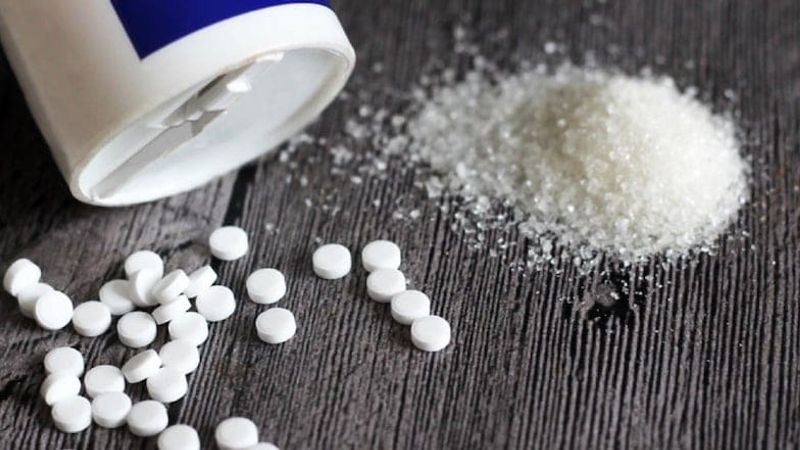
- Global regulatory landscape: Sucralose has been approved for use in many regions (e.g., the United States, the European Union, and many Asia-Pacific markets) under specific usage conditions, with labeling requirements aligned to local food regulations. Exporters should verify current approvals and permitted uses in target markets before formulation.[1][5]
- Labeling practices: Manufacturers typically label products to indicate the presence of artificial sweeteners and may provide guidance on sugar reduction goals or calories per serving, depending on regional regulations.[5]
Sucralose offers a powerful option for sugar reduction across beverages, dairy, baked goods, and confectionery, delivering intense sweetness with stable performance under heat. For a China-based factory serving overseas manufacturers, leveraging sucralose in blended-sweetener formulations and OEM/ODM products can help clients meet clean-label trends and nutrition goals while maintaining taste and texture. Strategic formulation—often involving blends with other sweeteners or flavor systems—can optimize mouthfeel, minimize aftertaste, and align with diverse regulatory landscapes. By positioning Sucralose as a core tool in health-oriented sweetening solutions, the company can strengthen partnerships with international contract manufacturers seeking reliable, scalable sweetener solutions.[2][1][5]
Answer: Sucralose is about 600 times sweeter than table sugar, which is why only small amounts are needed to achieve the same level of sweetness in most foods and beverages.[7][5]
Answer: Yes. Sucralose is heat-stable and suitable for baking and cooking, allowing sugar reduction in baked goods while maintaining sweetness. Recipe adjustments may be needed to preserve texture and moisture.[5]
Answer: In many cases, sucralose does not significantly raise blood glucose or insulin levels, making it a common choice for sugar-reduction strategies in people managing blood sugar. However, individual responses can vary, and long-term metabolic effects are still studied.[9][5]
Answer: Sucralose provides a clean, sugar-like sweetness with minimal aftertaste for many consumers, whereas natural sweeteners have varying flavor profiles and potential aftertastes. Sucralose is often favored for broad applicability, while natural sweeteners suit products seeking specific flavor notes.[3][9]
Answer: Key considerations include confirmation of regulatory approvals and labeling in target markets, calorie and sugar-reduction goals, taste and mouthfeel optimization, and potential blends with other sweeteners or flavors to manage aftertaste and texture.[2][5]
[1](https://www.verywellhealth.com/sucralose-vs-aspartame-7551717)
[2](https://www.caldic.com/zh-hans-cn/markets/food-beverage/beverage/)
[3](https://www.artinci.com/blogs/news/how-does-sucralose-compare-to-natural-sweeteners)
[4](http://www.healthfitfood.com/about_cpzx/cpzxf80.html)
[5](https://www.fda.gov/food/food-additives-petitions/aspartame-and-other-sweeteners-food)
[6](http://www.danone.com.cn/about-danone/at-a-glance/danone-china.html)
[7](https://www.fda.gov/media/168345/download)
[8](https://www.medicalnewstoday.com/articles/is-sucralose-healthiest-sugar-substitute-latest-research-gut-health)
[9](https://pmc.ncbi.nlm.nih.gov/articles/PMC10971371/)
[10](https://extension.usu.edu/nutrition/research/sweet-as-sucralose-the-pros-and-cons-of-artificial-sweeteners)


