


Content Menu
● Historical Concerns About Sweeteners and Cancer
● Key Studies on Sweeteners and Cancer Risk
>> NutriNet-Santé Cohort Study
>> Other Major Epidemiological Evidence
● Regulatory Perspectives on Sweeteners
● Mechanisms: How Might Sweeteners Influence Cancer?
● Natural Sweeteners as Safer Alternatives
● Sweeteners in Food, Beverage, and Healthcare
● Debunking Common Myths About Sweeteners
● Expert Opinions and Practical Advice
>> Sweeteners Comparison Table
● FAQ
>> 1. Are artificial sweeteners linked to cancer?
>> 2. Do natural sweeteners carry cancer risks?
>> 3. Is aspartame officially a carcinogen?
>> 4. Can daily diet drinks with sweeteners cause cancer?
>> 5. What are the safest sweeteners overall?
Sweeteners have revolutionized the way we approach sweetness in food, beverages, and healthcare products without the caloric burden of sugar. These versatile sweeteners, including both artificial and natural varieties, are staples in diet sodas, sugar-free candies, low-calorie yogurts, and even medicinal tablets. The persistent question—"Do sweeteners cause cancer?"—stems from decades of public concern, media headlines, and evolving scientific scrutiny surrounding the safety of sweeteners.
This comprehensive article delves deeply into sweeteners, examining their types, historical controversies, key studies, regulatory stances, biological mechanisms, and safer alternatives. By integrating evidence from major health authorities and cohort studies on sweeteners, it addresses whether sweeteners truly pose a cancer risk or if fears are overstated. For manufacturers in the food, beverage, and healthcare sectors, understanding sweeteners is crucial, especially when developing blended sweeteners, functional polyols, and dietary fiber solutions through OEM/ODM services.[1][2]
Sweeteners enable healthier formulations, allowing global factories—particularly those in China specializing in natural sweeteners—to provide innovative, clean-label products that meet international standards. As consumer demand for low-sugar options surges, sweeteners remain central to reducing obesity-related health issues, which themselves are linked to higher cancer incidences far more strongly than any sweetener associations.
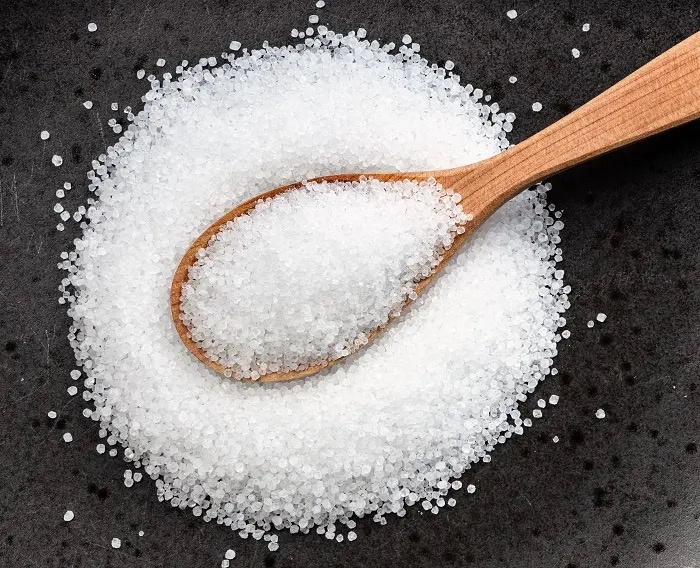
Artificial sweeteners are synthetic compounds designed to mimic sugar's taste with far greater intensity and fewer calories, making them popular in mass-produced goods. Key artificial sweeteners include aspartame, sucralose, saccharin, acesulfame potassium (Ace-K), and cyclamate, each with unique stability profiles suited for baking, beverages, or tabletop use. Aspartame, for instance, delivers 200 times sugar's sweetness and breaks down in heat, while sucralose withstands cooking, broadening applications for sweeteners in diverse products.
These sweeteners underwent rigorous testing before approval, yet they've faced backlash due to early animal studies hinting at cancer risks with high-dose sweeteners exposure. Regulatory reviews, however, consistently affirm that human consumption levels of artificial sweeteners fall well below thresholds where risks might emerge. Despite this, public skepticism persists, fueling ongoing research into sweeteners' long-term effects on cellular health and oncology.
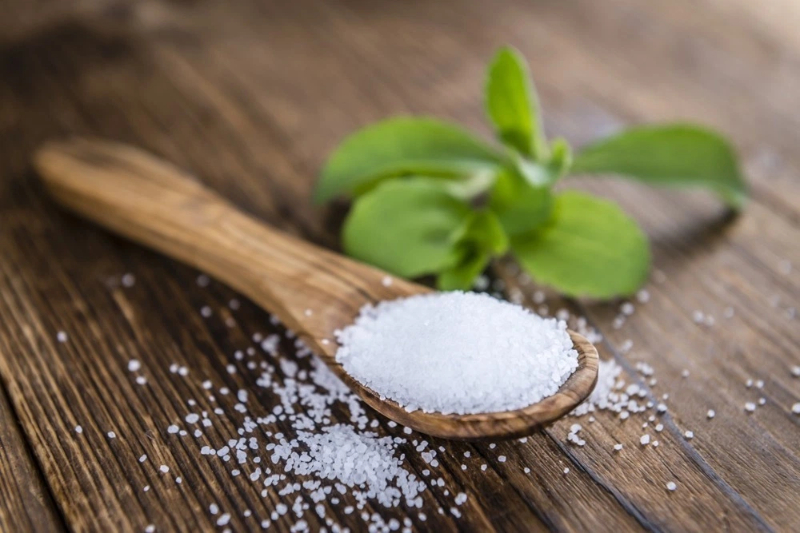
Natural sweeteners, extracted from plants or fermented sources, offer a compelling counterpoint to artificial sweeteners amid cancer debates. Stevia, derived from the Stevia rebaudiana plant, provides 200-400 times sugar's sweetness via steviol glycosides, with zero calories and no glycemic impact. Monk fruit (luo han guo) extract, rich in mogrosides, brings antioxidant properties alongside intense sweetness, ideal for functional foods.
Other natural sweeteners like erythritol—a sugar alcohol or polyol—and allulose, a rare sugar, add versatility. Erythritol occurs naturally in fruits and ferments easily, pairing seamlessly with dietary fibers in blended sweeteners for gut health. Chinese factories lead in scaling these natural sweeteners, offering custom development for OEM tablet production and beverage mixes that prioritize safety and efficacy over controversial artificial sweeteners.
These natural sweeteners not only sidestep metabolic concerns but also align with clean-label trends, where consumers seek transparent ingredients free from synthetic sweeteners' shadows.
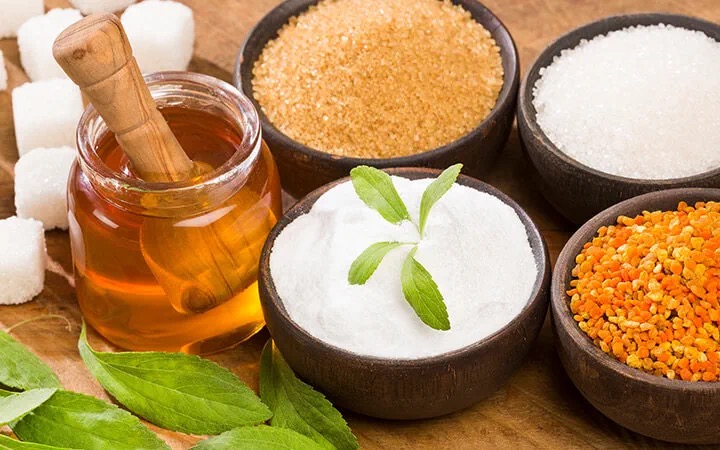
The saga of sweeteners and cancer began in the 1970s when saccharin, the first widely used artificial sweetener, was linked to bladder tumors in rats after massive doses equivalent to thousands of diet sodas daily. This prompted U.S. warning labels on products containing sweeteners and nearly led to a ban, igniting global fears about sweeteners' carcinogenic potential. Subsequent investigations revealed the tumors resulted from a rat-specific protein not present in humans, exonerating saccharin and similar sweeteners.
Cyclamate faced a similar fate in the late 1960s, banned in the U.S. after rodent studies, though later human data showed no such risks. Aspartame's 1980s approval sparked renewed debates, with consumer groups questioning sweeteners' safety amid anecdotal reports. By the 1990s, as diet products exploded, epidemiological tracking of sweeteners users showed no cancer spikes, gradually shifting narratives.
The 2023 WHO classification of aspartame as "possibly carcinogenic" (Group 2B) reignited discussions, but experts clarified this reflects limited evidence from sweeteners' high-dose animal models, not typical human intake. Throughout, natural sweeteners have evaded such scrutiny, their plant-based origins providing a historical safety buffer.
The NutriNet-Santé study, tracking over 102,000 French adults from 2009-2021, stands as a cornerstone in sweeteners research. Participants consuming higher amounts of artificial sweeteners faced a 13% elevated overall cancer risk, with aspartame-sweetened products linked to breast and obesity-associated cancers. Acesulfame-K showed ties to breast and prostate cancers among sweeteners users, prompting calls for moderation.
Yet, the study emphasized associations, not causation, noting confounders like smoking or poor diets among heavy sweeteners consumers. Natural sweeteners were absent from risk signals, reinforcing their profile. Follow-up analyses continue to refine these insights on sweeteners' roles.
A 2023 systematic review of 20+ studies across millions found no consistent cancer link for sucralose, saccharin, or most sweeteners at approved doses. Bladder cancer fears from early sweeteners trials evaporated in human cohorts, with meta-analyses reporting risk ratios near 1.0. Erythritol and stevia studies show negligible oncogenic activity, even in vulnerable populations.
Prospective U.S. cohorts like the Nurses' Health Study tracked sweeteners over decades without cancer surges attributable to sweeteners. These findings underscore that while observational data on artificial sweeteners warrants watchfulness, population-level evidence absolves most sweeteners of direct blame.
Regulatory bodies worldwide set stringent standards for sweeteners. The FDA's Acceptable Daily Intake (ADI) for aspartame is 50 mg/kg body weight—about 18-19 cans of diet soda for a 150 lb adult—while sucralose's is 5 mg/kg. EFSA mirrors these for European markets, incorporating genotoxicity and lifetime rodent data on sweeteners.
WHO's JECFA upheld aspartame's safety post-2023 IARC review, distinguishing hazard from risk in sweeteners contexts. Natural sweeteners like stevia hold GRAS status, with high-intensity ones like monk fruit exempt from ADIs due to historical safe use. These frameworks enable factories to blend sweeteners confidently for export, ensuring OEM products meet global regs.
Proposed pathways for sweeteners and cancer include gut dysbiosis, where non-digestible sweeteners alter microbiota, potentially fostering inflammation or procarcinogens. Aspartame metabolizes to methanol, formaldehyde, and amino acids; at extreme doses, these might damage DNA, but human pharmacokinetics from sweeteners show rapid clearance.
Insulin dysregulation from chronic sweeteners exposure could indirectly promote cancers via hyperinsulinemia, though evidence is mixed. Natural sweeteners like stevia activate sweet taste receptors directly, bypassing digestion and avoiding such issues. Polyols ferment mildly, supporting beneficial bacteria without oncogenic shifts.
Emerging research explores sweeteners' cephalic phase insulin response, but no causal cancer chains emerge at real-world doses.
Transitioning to natural sweeteners addresses artificial ones' uncertainties head-on. Stevia's robust safety data spans centuries of South American use, with modern extracts purified to eliminate off-notes. Monk fruit's mogrosides double as prebiotics, enhancing blended sweeteners with fibers for digestive health.
Erythritol, a zero-glycemic polyol sweetener, digests minimally, reducing bloating common with other sugar alcohols. Allulose mimics sugar in baking, caramelizing beautifully for premium OEM tablets. Chinese expertise in natural sweeteners extraction—from stevia farms to monk fruit processing—powers global supply, offering custom blends that outperform sugar while dodging cancer myths.
- Stevia: Stable, plant-derived sweetener for beverages and pharma.
- Monk Fruit: Antioxidant-packed for functional foods.
- Erythritol: Cooling polyol ideal for confections and fibers mixes.
- Allulose: Low-calorie sugar mimic for baking innovations.
These sweeteners facilitate sugar reduction targets, curbing obesity-cancer links.
In beverages, sweeteners like sucralose ensure zero-calorie refreshment; blended natural sweeteners elevate craft sodas. Food applications span gums to baked goods, where polyols prevent crystallization. Healthcare leverages sweeteners for compliant pediatric syrups and fiber-enriched bars.
OEM factories tailor sweeteners profiles for stability, taste masking in meds, and synbiotics with fibers. Despite debates, sweeteners' net benefit in averting diabetes—a cancer cofactor—prevails.
Myth: Sweeteners directly cause brain tumors. Fact: Aspartame studies show no such link beyond coincidence. Myth: All zero-calorie sweeteners are equal risks. Natural sweeteners diverge positively. Moderation and variety mitigate any concerns.
Experts from MD Anderson and NCI affirm: Approved sweeteners safe within limits; prioritize natural options. Scan labels for stevia-dominant blends; limit artificial sweeteners to ADIs.
| Sweetener Type | Cancer Evidence | Calories/g | Heat Stability | Examples |
|---|---|---|---|---|
| Artificial | Weak associations | 0-4 | Varies | Aspartame, Sucralose |
| Natural | None | 0-0.4 | High | Stevia, Monk Fruit |
| Polyols | Negligible | 2-3 | Good | Erythritol, Xylitol |
Sweeteners do not cause cancer in humans at typical consumption levels; artificial sweeteners show only weak, non-causal associations in select studies, while natural sweeteners like stevia and polyols exhibit exemplary safety records supported by regulators and epidemiology. Preferring natural sweeteners, blending with fibers, and adhering to ADIs optimizes health benefits from sweeteners without unfounded fears. Factories innovating OEM solutions ensure access to superior sweeteners, fostering wellness across industries.[2][4][1]
Observational studies like NutriNet-Santé report associations for aspartame and Ace-K with certain cancers, but no proven causation exists at approved doses.[1]
No; stevia, monk fruit, and erythritol lack such links, backed by extensive safety data.[3]
IARC deems it "possibly carcinogenic" (2B) on limited evidence, but JECFA confirms safety up to 40 mg/kg daily.[4]
Large cohorts show no increased risk; benefits for weight control may protect against obesity-related cancers.[2]
Natural sweeteners and polyols like erythritol top profiles with zero cancer concerns and broad approvals.[3][2]
[1](https://pmc.ncbi.nlm.nih.gov/articles/PMC8946744/)
[2](https://www.cancercenter.com/risk-factors/artificial-sweeteners-cancer)
[3](https://pdf.dfcfw.com/pdf/H3_AP202412131641289648_1.pdf)
[4](https://www.who.int/news/item/14-07-2023-aspartame-hazard-and-risk-assessment-results-released)


