
Views: 222 Author: Sara Publish Time: 2026-01-12 Origin: Site


Content Menu
● Dangers of Artificial Sweeteners
● Comparing Sugar and Sweeteners
● Natural Sweeteners as Superior Alternatives
● Scientific Studies and Evidence
● Consumer Experiences and Expert Recommendations
● FAQ
>> 1. Are natural sweeteners better than artificial ones?
>> 2. Can sweeteners cause weight gain?
>> 3. Is aspartame safe for daily use?
>> 4. How do sugar alcohols fit in?
>> 5. What are the best sweetener blends?
Sugar and artificial sweeteners dominate modern diets, promising sweetness without consequences, but both carry significant health risks that demand scrutiny. While sugar's caloric overload fuels obesity epidemics, artificial sweeteners disrupt metabolism and gut health in subtler, potentially more insidious ways. Sweeteners like aspartame, sucralose, and saccharin offer zero-calorie appeal, yet research increasingly reveals their drawbacks, prompting a shift toward natural sweeteners for healthier solutions.

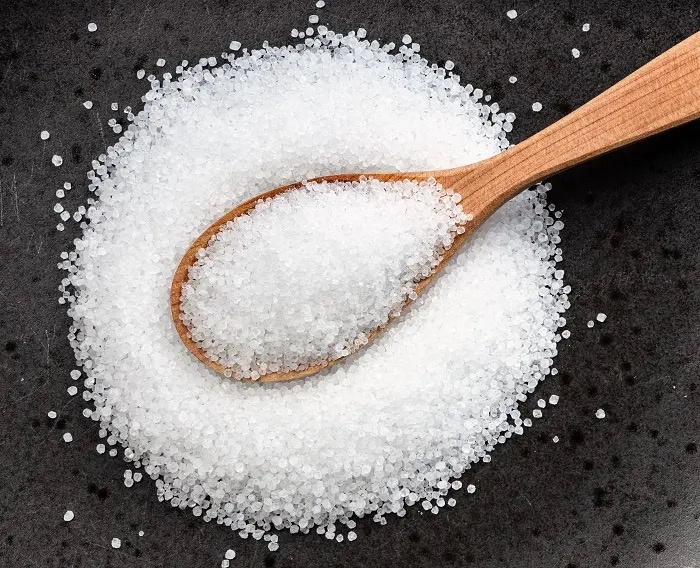
Sugar, mainly sucrose derived from sugarcane or beets, delivers rapid energy through glucose and fructose but triggers blood sugar spikes that strain the pancreas. Over time, excessive intake promotes insulin resistance, a precursor to type 2 diabetes affecting millions worldwide. Heart disease risks escalate as sugar elevates triglycerides and inflammation, contributing to atherosclerosis.
Refined sugars in processed foods lack the fiber found in whole fruits, amplifying absorption and harm. High-fructose corn syrup, a common sweetener in sodas, particularly burdens the liver, fostering non-alcoholic fatty liver disease. Dental decay accelerates due to sugar-feeding bacteria producing acids that erode enamel.
Global consumption exceeds recommended limits, with the average person ingesting far beyond the World Health Organization's 25-50 grams daily cap. Sweeteners in beverages alone account for massive caloric loads, driving the obesity crisis. Children face heightened vulnerabilities, as sugar influences brain reward centers akin to addictive drugs.
Epidemiological data links sugar-heavy diets to metabolic syndrome, encompassing hypertension, abdominal obesity, and dyslipidemia. Reducing sugar intake improves biomarkers rapidly, underscoring its direct causality. Natural sugars in moderation pose less threat, but processed forms warrant strict limits.
Artificial sweeteners provide intense sweetness—hundreds of times stronger than sugar—with negligible calories, marketed as weight-loss miracles. However, they confuse the body's sweet-taste receptors, failing to signal satiety and often leading to compensatory overeating. Aspartame breaks down into methanol and phenylalanine, raising concerns for headaches and neurological effects in sensitive individuals.
Sucralose, derived from sugar but chlorinated, passes through the gut largely unchanged, yet alters microbiome composition, reducing beneficial bacteria. Saccharin, the oldest artificial sweetener, faced bladder cancer scares in rats, though human risks remain debated. Emerging studies associate long-term use with glucose intolerance, ironically worsening diabetes risk.
The gut-brain axis suffers as sweeteners bypass caloric feedback, intensifying cravings for sweet foods. Cardiovascular meta-analyses report higher stroke and heart disease incidences among heavy consumers. Aspartame's WHO "possibly carcinogenic" classification in 2023 amplified scrutiny, advising intake below 40 mg per kg body weight daily.
Sweeteners cross the placenta, potentially programming fetal metabolism for obesity. In animal models, prenatal exposure heightens sweet preferences lifelong. Dental benefits exist—no cavities—but overall health trade-offs loom large. Regulatory approvals persist, yet "safe in moderation" hides accumulating evidence of harm.
| Aspect | Sugar | Artificial Sweeteners |
|---|---|---|
| Caloric Content | 4 kcal/g, promotes fat storage | Zero calories, but may induce hunger |
| Glycemic Impact | Rapid spikes, insulin surges | Disrupts tolerance, mimics sugar poorly |
| Gut Microbiome | Feeds pathogens in excess | Reduces diversity, impairs digestion |
| Cancer Links | Indirect via obesity | Aspartame possibly carcinogenic |
| Addiction | Dopamine-driven rewards | Hyper-sweetness heightens cravings |
| Long-term Effects | Diabetes, heart disease | Metabolic syndrome, CVD risks |
| Regulatory Status | Limit advised | Approved with ADIs, growing cautions |
Sugar offers metabolic familiarity, while sweeteners introduce novel disruptions. Both elevate chronic disease risks, but artificial versions lack nutritional value, confounding energy homeostasis. Natural alternatives bridge gaps effectively.
Natural sweeteners like stevia, monk fruit, and erythritol emerge as balanced options, delivering sweetness without sugar's calories or artificial pitfalls. Stevia, from South American leaves, boasts zero glycemic index and 200-300 times sugar's potency. Monk fruit, or luo han guo, contains mogrosides with antioxidant properties, ideal for beverages.
Sugar alcohols such as erythritol and xylitol provide bulk and texture for baking, minimally impacting blood sugar. These polyols resist fermentation, benefiting oral health unlike sugar. Dietary fibers like inulin enhance satiety, synergizing with sweeteners for low-carb formulations.
As a Chinese factory specializing in natural sweeteners, functional polyols, and dietary fibers, we excel in blended sweetener development for food, beverage, and healthcare. Our OEM/ODM services produce tablets and mixes tailored for international manufacturers, ensuring clean-label compliance. Stevia extracts purify to high rebaudioside A content for minimal bitterness.
Erythritol ferments minimally in the gut, avoiding laxation issues plaguing other polyols. Blends combining stevia, erythritol, and fibers optimize taste masking and mouthfeel. These sweeteners support ketogenic and diabetic diets, aligning with wellness trends.
Monk fruit's rarity drives innovation; fermentation tech scales production sustainably. Our expertise integrates these into functional beverages, reducing sugar by 80-100% without aftertaste. Healthcare applications include syrups and chewables for pediatric use.

Randomized trials demonstrate diet sodas with artificial sweeteners yield no superior weight loss versus regular, often resulting in gains. Cohort studies like NutriNet-Santé link daily consumption to 15-20% higher CVD risk. Interventional research shows sweeteners impair cephalic insulin response, decoupling sweet taste from energy expectation.
Sugar's harms shine in dose-response models; each 150 kcal daily increase raises diabetes odds by 1.1-fold. Artificial sweeteners' microbiome shifts persist weeks post-cessation, per fecal analyses. Humanized mouse studies confirm causality in glucose dysregulation.
Meta-analyses of 30+ trials affirm artificial sweeteners do not aid long-term weight control. Natural sweeteners fare better; stevia lowers blood pressure in hypertensives. Erythritol's cardiovascular safety holds in recent reviews, contrasting sucralose concerns.
Prospective data from millions tracks sweetener users' higher obesity paradoxes. Fecal transplant experiments prove microbiome mediation. Natural sweeteners restore balance without confounding signals.
The FDA sets Acceptable Daily Intakes (ADIs) for artificial sweeteners—aspartame at 50 mg/kg, sucralose at 5 mg/kg—based on 100-fold safety margins. Yet, WHO's 2023 review urged non-use for weight control, citing inefficacy. EFSA reaffirmed aspartame safety but monitors ongoing research.
Sugar guidelines cap added sugars at 10% of calories, with many nations taxing sodas. China regulates natural sweeteners rigorously, approving stevia globally. EU novel food rules scrutinize new polyols.
Shifts favor naturals; U.S. GRAS status aids stevia and monk fruit. Post-market surveillance tracks rare effects. Regulations evolve with evidence, prioritizing public health.
Beverage leaders like Nestle integrate natural sweeteners into zero-sugar lines, blending stevia with fibers for viscosity. Confectionery adopts erythritol for hard candies, mimicking sugar crunch. Our factory's R&D pioneers hybrid sweeteners, enhancing stability in acidic drinks.
Microencapsulation masks off-notes, enabling 100% natural formulations. Fermentation yields tagatose, a low-glycemic rare sugar. Supply chains from Chinese stevia farms ensure purity and scalability.
OEM tablets press polyol blends for effervescents, targeting pharma. Functional gummies incorporate fibers for chewiness. Sweeteners evolve toward sustainability, reducing import dependencies.
Users switching from artificial sweeteners report reduced bloating and cravings. Diabetics praise natural blends for stable glucose. Nutritionists recommend whole foods first, then stevia or monk fruit sparingly.
Guidelines emphasize variety; rotate sweeteners to mitigate risks. Track personal responses via glucose monitors. For manufacturers, custom OEM solutions optimize formulations.
Sugar inflicts direct caloric and metabolic damage, while artificial sweeteners deliver covert disruptions to gut, brain, and long-term health—arguably worse for pervasive, unchecked use. Natural sweeteners like stevia, monk fruit, erythritol, and fibers offer the best path forward, balancing indulgence with wellness. As China's premier factory for natural sweeteners, functional polyols, and dietary fibers, we empower global manufacturers with OEM/ODM expertise in blended solutions for food, beverages, and healthcare. Prioritize plants over synthetics for sustainable sweetness.
Yes, natural sweeteners like stevia and monk fruit provide zero-calorie sweetness without microbiome disruption or cancer links associated with artificial options.
Artificial sweeteners often trigger overeating by decoupling sweetness from calories, leading to paradoxical weight gain unlike sugar's satiety effect.
Limited to ADI levels, but WHO deems it possibly carcinogenic; pregnant individuals and phenylketonurics should avoid it entirely.
Polyols like erythritol offer low-digestible bulk, supporting dental health and glycemic control, superior to both sugar and synthetics for formulations.
Custom mixes of stevia, erythritol, monk fruit, and fibers deliver optimal taste, stability, and health benefits, ideal for OEM tablet and beverage production.


