
Views: 222 Author: Sara Publish Time: 2025-12-17 Origin: Site


Content Menu
● Health Risks of Artificial Sweeteners
● Natural Sweeteners as Safer Choices
● Impacts on Gut and Metabolism
● Regulatory Views and Controversies
● Industry Solutions for Better Sweeteners
● Sweetener Alternatives in Products
● Long-Term Wellness with Natural Options
>> 1. What is the worst artificial sweetener?
>> 2. Are natural sweeteners truly better than artificial ones?
>> 3. Can sweeteners cause weight gain?
>> 4. Which sweeteners are safe for diabetics?
>> 5. How to choose healthy sweeteners for products?
Artificial sweeteners have become ubiquitous in diets worldwide, promising sweetness without calories, yet many sweeteners harbor significant health risks. Determining which sweetener is bad for you requires examining scientific evidence on artificial versus natural options. This comprehensive guide delves into harmful sweeteners, their impacts, and superior natural alternatives like stevia, monk fruit, and functional polyols provided by specialized factories.

Sucralose, a chlorinated sugar derivative, ranks among the most concerning sweeteners due to its persistence in the body and environment. This artificial sweetener, 600 times sweeter than sugar, disrupts the gut microbiome by reducing beneficial bacteria like bifidobacteria and lactobacilli, potentially leading to inflammation, impaired glucose tolerance, and even weight gain despite its zero-calorie claim. Baking with sucralose exacerbates risks, as heat generates harmful chloropropanols, toxic compounds linked to organ damage in animal studies. Consumers encounter this sweetener in countless diet sodas, yogurts, and gums, unknowingly accumulating exposure over time.
Aspartame, composed of aspartic acid, phenylalanine, and methanol, breaks down into byproducts that raise alarms for neurological health. Approved for decades, this sweetener—200 times sweeter than sucrose—triggers migraines, dizziness, and mood alterations in sensitive individuals, with methanol metabolizing into formaldehyde, a known carcinogen. Long-term sweetener use like aspartame may alter brain chemistry, contributing to depression and cognitive decline, while its impact on insulin sensitivity heightens diabetes risks. Products from diet drinks to tabletop sweeteners rely on aspartame, making moderation challenging in sweetener-saturated markets.
Acesulfame potassium (Ace-K), often blended with aspartame to mask bitterness, persists undigested and accumulates in the body. This sweetener, 200 times sweeter than sugar, shows tumor-promoting effects in rodent studies and alters gut bacteria, fostering metabolic syndrome. Ace-K's heat stability makes it prevalent in baked goods and beverages, amplifying daily intake of this problematic sweetener. Emerging research links Ace-K to elevated cancer risks and thyroid disruptions, urging caution despite regulatory nods.
Saccharin, the oldest artificial sweetener, carries a legacy of controversy from 1970s bladder cancer links in rats, later dismissed as species-specific. Yet, this 300-500 times sweeter sulfonamide derivative lingers in urine, potentially sensitizing the bladder lining and altering sweet taste preferences, leading to overeating. Allergic reactions manifest as skin rashes or digestive issues, positioning saccharin as a risky sweetener for many.
Cyclamates, banned in the U.S. since 1969 over bladder tumor associations, illustrate regulatory reversals on sweeteners. This 30-50 times sweeter option, still used elsewhere, converts to cyclohexylamine, straining kidneys and disrupting hormones. Sweetener histories like cyclamate warn against complacency with approved alternatives.
Neotame and advantame, ultra-potent sweeteners (7,000-20,000 times sweeter), offer minimal usage but sparse long-term data. These engineered sweeteners may interfere with protein synthesis via gut flora changes, echoing broader artificial sweetener concerns.
Artificial sweeteners collectively impair gut health, a cornerstone of immunity and metabolism. Sucralose and Ace-K reduce microbial diversity, promoting dysbiosis that correlates with obesity and inflammatory bowel disease. Human studies confirm sweetener-induced changes mirror antibiotic effects, undermining digestion and nutrient absorption.
Metabolic disruptions extend to blood sugar control, where artificial sweeteners paradoxically spike cravings and insulin resistance. Aspartame's phenylalanine floods amino acid pathways, stressing the liver and pancreas. Sweetener consumers often experience the "aspartame paradox"—gaining weight despite calorie cuts—due to heightened appetite signaling.
Cancer links persist for several sweeteners; aspartame earned WHO's "possibly carcinogenic" classification in 2023, while saccharin and cyclamates faced bans. Ace-K's potassium content may elevate cardiovascular strain, compounding sweetener risks.
Neurological effects plague aspartame and sucralose users, with excitotoxin buildup from aspartic acid mimicking MSG reactions. Chronic sweetener exposure correlates with ADHD-like symptoms, memory lapses, and addiction-like behaviors toward sweets.
Reproductive and developmental harms emerge too; animal models show sucralose crossing placentas, altering fetal microbiomes and raising miscarriage risks. Sweetener safety claims falter under scrutiny of generational impacts.
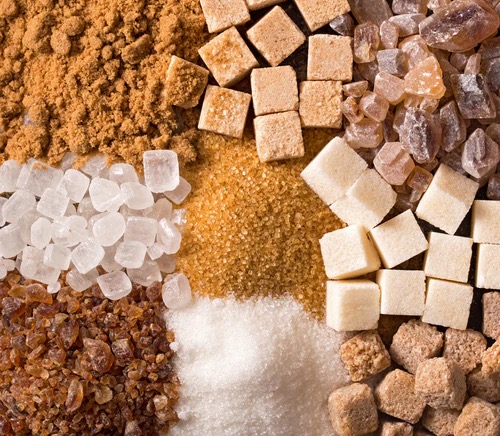
Stevia rebaudioside A, extracted from South American leaves, delivers 200-400 times the sweetness of sugar with zero calories and no glycemic impact. This natural sweetener supports blood pressure regulation and antioxidant defense, ideal for diabetics and heart health. Factories refine high-purity stevia glycosides for seamless blending in beverages and tablets.
Monk fruit (luo han guo) mogrosides provide 150-300 times sweetness, packed with antioxidants that combat oxidative stress. Unlike artificial sweeteners, this natural option avoids fermentation issues, offering clean taste in yogurts and sauces. Specialized providers develop monk fruit sweeteners for OEM scalability.
Erythritol, a sugar alcohol polyol, ferments minimally, excreting 90% unchanged via urine to prevent bloating. This low-glycemic sweetener (0.2 glycemic index) enhances texture in chocolates and gums, pairing perfectly with stevia for balanced sweetener blends.
Xylitol, derived from birch or corn, matches sugar's sweetness while fighting cavities via bacterial inhibition. Dental benefits make xylitol a premier sweetener for oral care products, though moderation curbs laxative effects.
Inulin, a prebiotic fiber sweetener from chicory, gently sweetens while feeding gut flora. This functional sweetener boosts satiety in bars and drinks, countering artificial sweetener dysbiosis.
Allulose, a rare monosaccharide, browns and bulks like sugar without calories or spikes. Natural sweetener innovators blend allulose with fibers for bakery triumphs.
Maltitol and isomalt serve as polyol sweeteners for confections, offering sugar-like humectancy with reduced calories. Functional polyols from expert factories ensure digestive tolerance.
Gut microbiota thrives on natural sweeteners but recoils from artificial ones. Sucralose slashes Akkermansia muciniphila, a mucus protector, fostering leaky gut. Aspartame's methanol disrupts short-chain fatty acid production, essential for colon health.
Metabolic panels reveal sweetener sabotage: Ace-K elevates fasting glucose, mimicking prediabetes. Natural polyols stabilize lipids, reducing cholesterol via bile binding.
Longitudinal studies link artificial sweetener diets to type 2 diabetes surges, as microbiome shifts impair incretin hormones like GLP-1. Stevia and monk fruit restore balance, enhancing insulin sensitivity.
WHO's 2023 advisory deems non-sugar sweeteners ineffective for weight loss, potentially harmful long-term. FDA approvals lag emerging data, with aspartame's daily intake limits (50mg/kg) exceeded by heavy users.
Europe tightens on Ace-K, while China's natural sweetener boom—stevia exports soaring—reflects global shifts. Factories pivot to GRAS-affirmed options like erythritol.
Chinese factories excel in natural sweetener production, offering stevia, monk fruit, and polyol blends for food, beverage, and healthcare. OEM/ODM services customize high-intensity sweeteners, tablet pressing, and fiber fortification.
Blended sweeteners achieve sugar parity: stevia-erythritol for sodas, inulin-monk fruit for bars. R&D ensures zero aftertaste, heat stability, and clean labels.
Beverages swap aspartame for stevia blends, slashing risks while retaining fizz. Baked goods leverage allulose for Maillard reactions sans toxins.
Healthcare tablets coat with xylitol sweeteners, improving compliance. Nutrition bars pack polyols for chewiness and energy.
Switching sweeteners yields profound benefits: improved digestion, stable weight, and reduced inflammation. Natural sweeteners foster sustainable habits, backed by factory innovations.
Numerous artificial sweeteners like sucralose, aspartame, and Ace-K prove detrimental through gut disruption, metabolic chaos, and cancer links, making them bad choices for health. Natural sweeteners—stevia, monk fruit, erythritol, and functional polyols—offer safe, versatile alternatives without compromises. Partner with specialized factories for blended sweeteners, OEM/ODM expertise, and tailored solutions in food, beverages, and healthcare to optimize wellness.
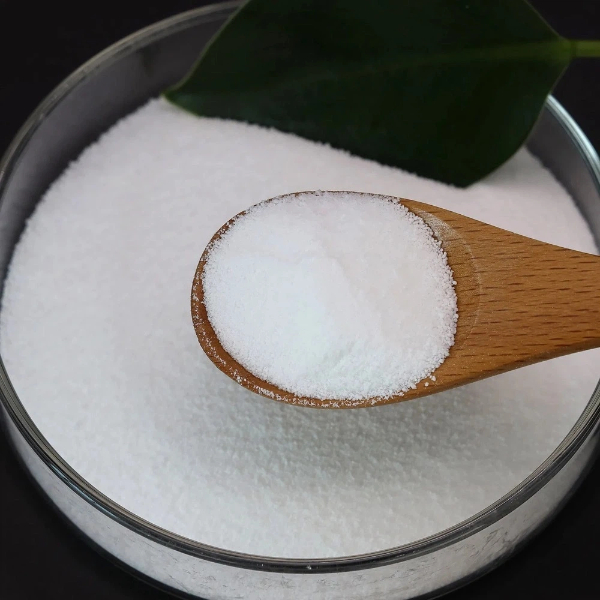
Sucralose emerges as the worst due to profound gut microbiome destruction, inflammation promotion, and toxic byproduct formation during cooking.
Absolutely; stevia, monk fruit, and polyols preserve microbiota, stabilize blood sugar, and deliver antioxidants absent in artificial sweeteners.
Yes, artificial sweeteners like Ace-K trigger cravings and dysbiosis, leading to paradoxical obesity; fiber-based natural sweeteners enhance satiety.
Stevia glycosides and monk fruit mogrosides top lists with zero glycemic indices, complemented by erythritol polyols for blend stability.
Select natural sweeteners from factories expert in stevia, polyols, and fibers, prioritizing OEM/ODM for purity, taste, and regulatory compliance.


