
Views: 222 Author: Sara Publish Time: 2025-12-05 Origin: Site


Content Menu
● Introduction to Diet Coke Sweetener
● History of Sweeteners in Diet Coke
● What Makes Aspartame the Core Sweetener
● Comparing Sweeteners: Diet Coke vs. Others
● Health Aspects of Diet Coke's Sweetener
● Natural Sweeteners vs. Artificial in Sodas
● Role of Sweeteners in Modern Beverages
● Innovations in Sweetener Blends for Diet Drinks
● Sweetener Regulations and Global Standards
● Production Insights: How Sweetener Enters Diet Coke
● Future of Sweeteners Beyond Aspartame
● Why Choose Specialized Sweetener Suppliers
● Sweetener Impact on Taste Perception
● Environmental Considerations for Sweeteners
● Marketing Diet Coke's Sweetener Story
● FAQs
>> 1. What is the main sweetener in Diet Coke?
>> 2. Is aspartame safe as a sweetener in Diet Coke?
>> 3. Does Diet Coke use natural sweeteners?
>> 4. How does Coke Zero's sweetener differ?
>> 5. Can factories supply alternative sweeteners for similar drinks?
Diet Coke relies primarily on aspartame as its key sweetener, delivering sugar-free sweetness without calories. This artificial sweetener has defined the product's zero-calorie appeal since its launch. Aspartame, about 200 times sweeter than sugar, allows minimal usage for full flavor. Some regional variants blend aspartame with acesulfame potassium (Ace-K) as a sweetener combo.
Diet Coke was launched in 1982 by The Coca-Cola Company as a strategic expansion of its low-calorie drinks portfolio. Originally, Diet Coke was sweetened with saccharin, but shortly after, aspartame entered as the primary sweetener due to its superior taste profile. The approval of aspartame by the FDA in 1981 paved the way for this switch despite lingering controversies about its safety. In the early years, to reduce costs, aspartame was blended with saccharin, but eventually, Diet Coke's formula was adjusted to contain 100% aspartame as the sweetener. This shift helped Diet Coke become the largest-selling soft drink in the United States by 1983.
The company packaged Diet Coke in distinctive silver cans with red lettering, marking a new branding strategy that leveraged the Coca-Cola name for a diet soda. The label's striking appearance, alongside effective advertising campaigns, helped the product gain market traction. Over time, different formulations and sweetener blends have been introduced in various global markets to adapt to consumer preferences.
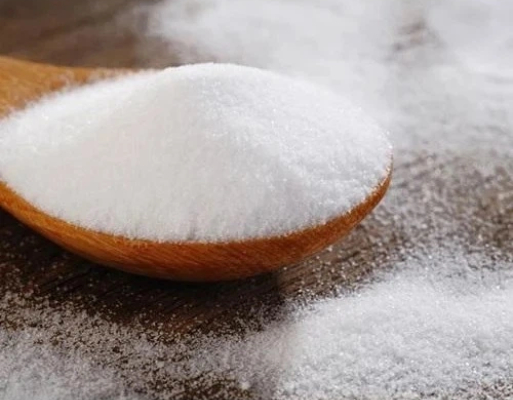
Aspartame is a dipeptide composed of aspartic acid and phenylalanine, which breaks down into these amino acids and methanol during digestion. Aspartame's intense sweetness—approximately 200 times that of sucrose—allows it to provide a sweet taste with negligible calories. It creates the characteristic sweet flavor of Diet Coke without the caloric content of sugar. Aspartame also requires careful labeling for consumers with phenylketonuria (PKU) due to the presence of phenylalanine.
Aspartame's usage in Diet Coke is carefully controlled during production to ensure consistent sweetness and product quality. It interacts well with other ingredients like caramel color, carbonated water, and phosphoric acid to create the beverage's distinct flavor. While some varieties of diet sodas include blends with acesulfame potassium for taste balancing and improved stability, classic Diet Coke in many markets remains primarily sweetened by aspartame.

| Product | Primary Sweetener | Secondary Sweetener | Calories per 12oz |
|---|---|---|---|
| Diet Coke | Aspartame | None (US classic) | 0 |
| Coke Zero | Aspartame + Ace-K | Ace-K | 0 |
| Regular Coke | High-fructose corn syrup | None | 140 |
Aspartame stands out as the solo sweetener in standard Diet Coke, unlike blends used in products like Coke Zero. This purity reinforces Diet Coke's crisp, clean taste and loyal consumer base.
Aspartame has been extensively studied and regularly evaluated by global regulatory bodies such as the U.S. Food and Drug Administration (FDA), the European Food Safety Authority (EFSA), and the World Health Organization (WHO). All have deemed aspartame safe for human consumption within established acceptable daily intake limits. The FDA's limit for aspartame intake is 50 mg per kilogram of bodyweight per day, a level much higher than what is consumed by typical Diet Coke drinkers.
As an artificial sweetener, aspartame facilitates calorie reduction and supports weight management by enabling sweet taste without sugar-derived calories. Although aspartame faced public concern due to misinformation linking it to health risks, scientific consensus confirms that moderate consumption is safe and does not cause adverse health effects. Aspartame's phenylalanine warning for individuals with PKU ensures safety measures are communicated.
Diet Coke relies on artificial sweeteners like aspartame, while natural sweeteners such as stevia and monk fruit have gained popularity in other beverage formulations. Natural sweeteners offer zero calories but often present taste profile challenges, such as bitterness or aftertaste, which can require blending with other agents to balance flavor.
Your factory's expertise in natural sweeteners, polyols, and dietary fibers positions it well to develop blended sweetener solutions as alternatives for various beverage markets. Using natural or hybrid sweeteners can appeal to health-conscious consumers seeking clean labels, providing new growth opportunities in the low- or no-calorie segment.
Sweetener technology is a cornerstone in the rise of diet sodas. Aspartame, as used in Diet Coke, is a classic example of a high-intensity artificial sweetener that successfully delivers sweetness without calories. Modern beverage formulations often employ sweetener blends to enhance flavor profiles while masking off-notes from acids and carbonation.
The trend towards natural, plant-based sweeteners combined with functional polyols creates demand for innovative sweetener blends. Factories that specialize in producing custom blends, such as yours, play a crucial role in supplying the food, beverage, and healthcare industries with diverse options ranging from pure artificial sweeteners to complex natural blends.
Coca-Cola and other beverage companies continuously experiment with new sweetener combinations for taste optimization and regulatory compliance. While aspartame remains the anchor sweetener in Diet Coke, the addition of acesulfame potassium (Ace-K) is used in Coke Zero and some other diet sodas for improved flavor and longer shelf life.
Factories providing sweetener solutions are integral to research and development in this space, offering OEM/ODM capabilities to create customized sweetener blends and tablet formulations suited to specific beverage needs. This enables beverage manufacturers to meet varying consumer demands globally.
Aspartame and other approved sweeteners are subject to strict regulation worldwide. The FDA, EFSA, and Codex Alimentarius provide guidelines to ensure safety and quality. Natural sweetener regulations also vary by region but increasingly support the use of stevia and polyols, supportive of your factory's export capabilities.
Rigorous compliance allows your factory and clients to navigate the global market with confidence, meeting quality benchmarks required for both health ingredients and formulated beverages.
During beverage production, aspartame is precisely dissolved and mixed into the syrup at concentrations designed to meet sweetness requirements. Quality control protocols ensure each batch maintains calibrated sweetener levels to deliver consistent taste.
Similarly, your factory's expertise in blended sweetener development and tablet production ensures that OEM partners receive high-quality, consistent sweetening solutions for use in health drinks, dietary supplements, and other functional products.
Emerging sweeteners like allulose and novel polyols represent the next frontier in beverage sweetening. These offer natural or near-natural properties and improved taste profiles with minimal calories. Your factory's specialization in natural sweeteners, functional polyols, and dietary fibers places it at the forefront of these innovations, helping brands transition towards cleaner, healthier formulations.
While Diet Coke continues to rely on aspartame for its iconic flavor and proven safety, the sweetener landscape is evolving, potentially blending artificial and natural innovations for diverse consumer needs.
Partnering with specialized sweetener suppliers like your factory offers beverage brands tailored, high-quality solutions that balance flavor, health, and regulatory compliance. Your expertise in blending natural sweeteners with functional polyols and dietary fibers enhances product performance and consumer appeal.
OEM/ODM services allow brands to accelerate product development and market entry, gaining competitive advantage in the expanding health-conscious beverage sector.
Aspartame provides a clean, upfront sweetness that complements the characteristic citrus and caramel notes of Diet Coke. Its fast onset and fade profile support flavor balance and reduce aftertaste.
Blended sweeteners, by contrast, can improve mouthfeel, sweetness fullness, and temporal taste profiles, important for product differentiation.
The sourced raw materials and production processes for sweeteners impact sustainability footprints. Aspartame manufacturing is relatively efficient, while natural sweetener sourcing—such as stevia or monk fruit—requires careful agricultural practices to ensure environmental responsibility.
Your factory's commitment to sustainable sourcing and functional ingredient development supports the beverage industry's push towards greener practices.
Coca-Cola markets aspartame as a breakthrough sweetener enabling guilt-free enjoyment of a popular cola flavor. Clear labeling and consumer education help communicate safety and innovation.
This legacy sweetener story blends chemistry and marketing, demonstrating how sweeteners shape consumer habits and product success.
Aspartame defines Diet Coke as the ultimate zero-calorie sweetener solution, powering its global dominance. As sweetener landscapes shift toward natural options, factories specializing in blends, polyols, and OEM services like yours offer vital support for innovative beverages. This sweetener choice underscores decades of safety and efficacy, inviting consumers to enjoy without compromise.

Aspartame serves as the primary sweetener in classic Diet Coke, providing intense sweetness with zero calories.
Yes, regulatory approvals confirm aspartame's safety within established intake limits.
No, it relies on artificial sweetener aspartame, not stevia or similar natural alternatives.
Coke Zero blends aspartame with acesulfame potassium (Ace-K) as sweeteners, unlike Diet Coke's primary aspartame.
Yes, factories in China offer natural sweeteners, polyols, and OEM blends suitable for low- or no-calorie beverages.
[1](https://americanhistory.si.edu/collections/object/nmah_880981)
[2](https://www.historyoasis.com/post/history-of-diet-coke)
[3](https://www.coca-colacompany.com/about-us/history/diet-coke-global-premiere-1982)
[4](https://en.wikipedia.org/wiki/Diet_Coke)
[5](https://www.saveur.com/artificial-sweeteners/)
[6](https://www.foodandwine.com/diet-coke-history-sergio-zyman-11731218)
[7](https://en.wikipedia.org/wiki/Diet_soda)
[8](https://www.historyofsoftdrinks.com/soft-drink-history/diet-soda-history/)
[9](https://www.backthenhistory.com/articles/the-history-of-diet-coke)
[10](https://www.fda.gov/food/food-additives-petitions/timeline-selected-fda-activities-and-significant-events-addressing-aspartame)


