
Views: 222 Author: Sara Publish Time: 2025-12-25 Origin: Site


Content Menu
● Discovery and Production of Sucralose
● Chemical Properties of Sucralose
● Regulatory Approval and Global Acceptance of Sucralose
● Common Uses of Sucralose Across Industries
● Health Benefits of Sucralose
● Potential Health Concerns and Risks of Sucralose
● Metabolic and Cardiovascular Effects of Sucralose
● Sucralose's Influence on Gut Microbiota
● Comprehensive Safety Studies on Sucralose
● Sucralose in Blended Formulations and Industry Trends
● Comparison: Sucralose vs. Natural Sweeteners
● Practical Recommendations for Sucralose Use
● FAQ
>> 1. What is sucralose made from?
>> 2. Is sucralose safe for daily use?
>> 3. Does sucralose cause weight gain?
>> 4. Can sucralose affect diabetes management?
>> 5. How can risks of sucralose be reduced?
Sucralose is a zero-calorie artificial sweetener derived from sugar, renowned for being about 600 times sweeter than sucrose. Widely used in foods, beverages, and pharmaceuticals, sucralose offers a sugar-like taste without the calories, making it popular for weight management and diabetes control. This comprehensive article delves deeply into sucralose's origins, chemical makeup, production methods, regulatory history, everyday applications, health benefits, potential risks, metabolic impacts, gut microbiome effects, safety studies, comparisons with alternatives, industry trends, and practical recommendations, all while emphasizing the role of sucralose in modern health solutions.
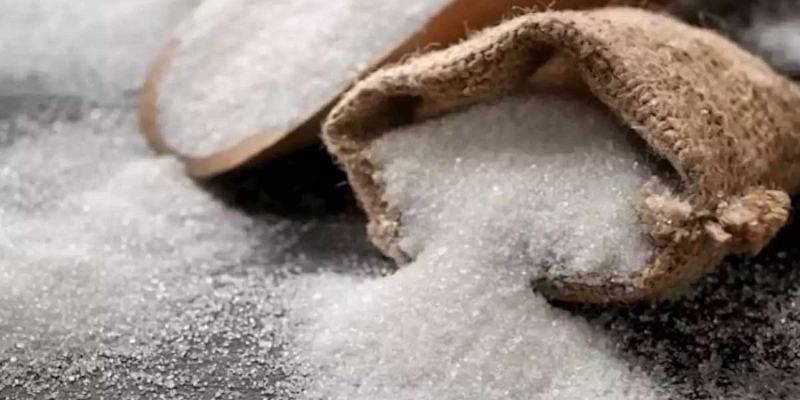
Sucralose was discovered in 1976 by scientists at Queen Elizabeth College in London during research into potential sugar substitutes. Researchers accidentally created sucralose by chlorinating sucrose, selectively replacing three hydroxyl groups with chlorine atoms, which fundamentally alters its structure to prevent metabolic breakdown into usable energy. This modification ensures that sucralose passes through the human body largely unchanged, with about 85% excreted in the stool and the remainder in urine, contributing zero calories.[1]
The production of sucralose involves a sophisticated multi-step chemical synthesis process starting with high-purity sucrose as the base material. Manufacturers employ precise chlorination techniques using agents like phosgene or thionyl chloride under tightly controlled temperature and pressure conditions to achieve the desired substitutions without degrading the molecule. The resulting sucralose is then purified through crystallization, filtration, and drying to yield a white, odorless powder with over 99.5% purity in commercial food-grade forms. Sucralose's exceptional stability—resistant to high temperatures up to 190°C and a broad pH range of 2 to 10—makes it superior for applications in baking, canning, and acidic beverages where other sweeteners like aspartame degrade.[2]
In global manufacturing hubs, particularly factories in China specializing in natural sweeteners, functional polyols, and dietary fibers, sucralose serves as a core ingredient in blended formulations. These facilities provide comprehensive OEM/ODM services, developing custom mixed sweeteners that combine sucralose with erythritol, inulin, or stevia for enhanced taste profiles and functional benefits tailored to food, beverage, and healthcare industries. Such innovations allow foreign manufacturers to create low-calorie products with improved mouthfeel and reduced aftertaste, leveraging sucralose's clean sweetness.[3]
Sucralose's chemical formula is C12H19Cl3O8, closely mirroring sucrose (C12H22O11) but with chlorine atoms at the 4, 6, and 1' positions, rendering it non-nutritive. This structural tweak inhibits digestion by enzymes like sucrase-isomaltase in the small intestine, unlike regular sugar. Sucralose delivers a sweetness intensity of 400-800 times that of sucrose, with a taste onset and linger similar to sugar, though high concentrations can introduce a slight bitter note detectable by sensitive tasters.[2]
Solubility is another standout property, with sucralose dissolving readily at 28 grams per 100 ml of water at room temperature, facilitating easy incorporation into liquids. Its robustness against Maillard reactions during cooking preserves flavor integrity in heat-processed goods. In formulations, sucralose pairs synergistically with bulking agents like maltodextrin or polyols, amplifying overall sweetness while masking off-notes, a technique widely used in tablet pressing and powder mixes by specialized factories.[1][3]
These attributes have cemented sucralose's role as a cornerstone in zero-calorie product development, from soft drinks to nutritional supplements.
Sucralose received its first major approval from the U.S. FDA in 1998 for 15 food categories, expanding to general purpose use by 1999 after reviewing over 110 studies spanning 20 years. The established Acceptable Daily Intake (ADI) stands at 5 mg/kg body weight per day, equivalent to about 23 packets of Splenda for a 70kg adult—far above average consumption of 1-2 mg/kg. Similar endorsements came from the European Food Safety Authority (EFSA) in 2004 (E955 additive), Joint FAO/WHO Expert Committee on Food Additives (JECFA), and China's National Health Commission, affirming sucralose's safety across more than 120 countries.[1]
Rigorous evaluations covered genotoxicity, carcinogenicity, reproductive effects, and neurotoxicity, consistently finding no adverse outcomes at or below ADI levels. Sucralose's non-metabolizable nature eliminates concerns over energy contribution or fermentation. Periodic re-reviews by bodies like the FDA incorporate new data, maintaining its "Generally Recognized as Safe" (GRAS) status amid ongoing scrutiny.[4][2]
Sucralose dominates in diet sodas (e.g., Coke Zero), chewing gums, yogurts, ice creams, and baked goods, branded prominently as Splenda. Its heat and acid stability enables full sugar-like performance in cooking, unlike fragile alternatives. In pharmaceuticals and oral care, sucralose sweetens syrups, lozenges, and toothpastes without promoting decay.[1]
Beverage applications account for 40-50% of sucralose usage globally, with dairy, confectionery, and tabletop sweeteners following. Chinese factories excel here, offering sucralose-based OEM services for mixed sweetener tablets, effervescent powders, and functional beverages enriched with fibers for gut health. These blends cater to export demands, providing cost-effective, high-volume solutions for international manufacturers in food, beverage, and healthcare sectors.[5][3]
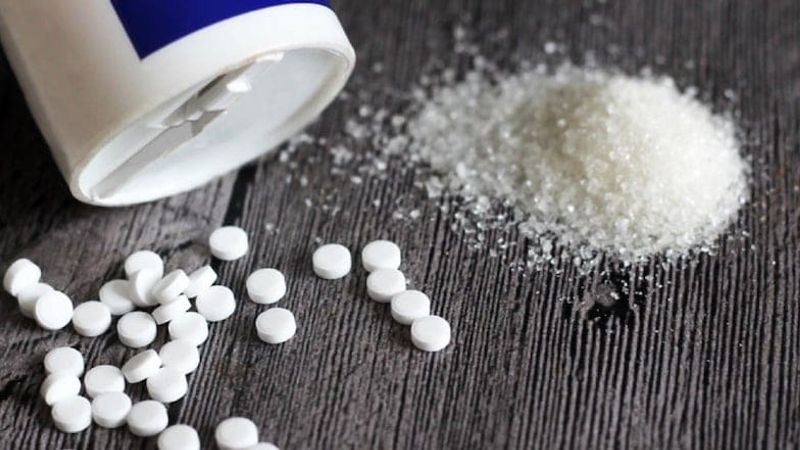
Sucralose supports weight management by displacing caloric sugars, with meta-analyses showing 10-15% reduced energy intake in sucralose-sweetened diets. For diabetics, it elicits no glycemic response, aiding HbA1c control per clinical trials. Non-cariogenic properties benefit dental health, as oral bacteria cannot ferment sucralose.[2][1]
Integration into low-carb, keto, and fitness regimens enhances compliance with sugar-like indulgence minus insulin spikes. When blended with dietary fibers and polyols, sucralose formulations boost satiety and prebiotic effects, aligning with holistic health solutions from specialized producers.[3]
Emerging research tempers sucralose's safety narrative. A 2023 North Carolina State University study identified sucralose-6-acetate, an impurity, as genotoxic, causing DNA damage and inflammation in human cells at concentrations near real-world exposure. Mouse models revealed sucralose-induced gut barrier erosion, elevating colorectal cancer risk via leaky gut mechanisms.[6]
Human observational data links high sucralose intake to elevated BMI and metabolic syndrome, possibly via appetite dysregulation—sweet taste without calories confuses cephalic phase insulin release, prompting overeating. Inflammatory markers like TNF-α and IL-6 rise post-consumption in some cohorts.[7][4]
Sucralose's impact on glucose homeostasis varies; short-term studies show blunted insulin sensitivity, potentially predisposing to type 2 diabetes. Rodent experiments demonstrate paradoxical weight gain and hepatic steatosis despite zero calories, attributed to altered energy expenditure. Lipid metabolism shifts include higher triglycerides and LDL cholesterol in chronic exposure models.[7][2]
Cardiovascular hints emerge from associations with hypertension and endothelial dysfunction via NF-κB activation. Human RCTs are mixed, underscoring need for long-term data.[4]
Sucralose profoundly alters the gut microbiome, reducing beneficial Bifidobacteria and Lactobacillus by up to 50% while favoring Proteobacteria in animal and in vitro studies. This dysbiosis correlates with IBS-like symptoms, impaired immunity, and increased endotoxemia. Rat trials over six months confirmed persistent proinflammatory shifts and short-chain fatty acid deficits.[7][2][1]
Human fecal metagenomics replicate these changes, with recovery slow post-cessation. Blending sucralose with fibers may mitigate via prebiotic synergy.[3][4]
The foundational 110+ studies, including lifetime rodent bioassays at 3% dietary levels (600x ADI), found no tumors or reproductive harm. Human pharmacokinetic trials up to 15 mg/kg/day confirmed safety. Critics spotlight sucralose-6-acetate's leukotoxicity and emerging antibiotic resistance promotion in E. coli.[6][1]
WHO's 2023 review urged non-reliance on non-nutritive sweeteners for weight loss. Overall, evidence supports safety within ADI, but vigilance persists.[2]
Specialized factories blend sucralose (10-30%) with stevia, monk fruit, erythritol, and fibers for optimal synergy—reducing sucralose levels while enhancing natural taste and functionality. These mixes suit tablet compression, beverage concentrates, and nutraceuticals, with Chinese OEM/ODM leaders exporting globally.[8][3]
Market growth projects 5-7% CAGR through 2030, driven by low-sugar demands.
| Aspect | Sucralose | Stevia | Monk Fruit | Erythritol |
|---|---|---|---|---|
| Calories | 0 | 0 | 0 | 0.2 kcal/g |
| Sweetness | 600x sugar | 300x | 250x | 0.7x |
| Heat/pH Stability | Excellent | Good | Good | Excellent |
| Taste Profile | Clean, sugar-like | Licorice aftertaste | Fruity | Cooling sensation |
| Gut Impact | Dysbiosis potential | Minimal | Minimal | Mild laxation |
| Cost | Low | Medium | High | Medium |
Sucralose leads in versatility, though naturals rise in clean-label preferences.
Adhere to ADI; prioritize blends with polyols/fibers for balance. Vulnerable groups (pregnant, children) should limit intake. Monitor GI symptoms and favor whole foods. Factories offer customized low-sucralose options for safer profiles.[4][3]
Sucralose has transformed sweetening with its potent, stable, zero-calorie profile, backed by decades of approvals and enabling healthier products worldwide. Yet, mounting evidence of gut dysbiosis, genotoxicity from impurities, metabolic disruptions, and inflammation calls for moderation and preference for blended, fiber-enriched alternatives from expert manufacturers. Informed use maximizes benefits while minimizing risks in diet and industry applications.[6][7][2]
Sucralose is derived from sucrose through selective chlorination, replacing hydroxyl groups with chlorine to make it non-caloric and indigestible.[1]
Within the 5 mg/kg ADI, regulatory bodies deem it safe, but recent studies highlight gut and DNA risks at higher exposures.[6][7]
It may trigger appetite dysregulation and overeating despite zero calories, per some human and animal data.[7][2]
No direct blood sugar spikes, but potential insulin sensitivity reductions warrant monitoring.[4]
Use blended formulations with natural polyols and fibers; limit processed sources.[3]
[1](https://www.webmd.com/diet/what-to-know-about-sucralose)
[2](https://pmc.ncbi.nlm.nih.gov/articles/PMC10971371/)
[3](https://pdf.dfcfw.com/pdf/H3_AP202412131641289648_1.pdf)
[4](https://www.frontiersin.org/journals/nutrition/articles/10.3389/fnut.2024.1387646/full)
[5](https://www.caldic.com/zh-hans-cn/markets/food-beverage/beverage/)
[6](https://www.kentscientific.com/new-research-with-mice-reveals-the-dangers-of-sweeteners/)
[7](https://liveowyn.com/blogs/owyn-articles/sucralose-artificial-sweeteners-recent-studies-reveal-health-risks)
[8](https://pdf.dfcfw.com/pdf/H3_AP202207141576131893_1.pdf)


