


Content Menu
● The Chemical Composition of Aspartame
>> Step 1: Producing Aspartic Acid and Phenylalanine
>> Step 2: Protection and Activation of Aspartic Acid
>> Step 3: Coupling with Phenylalanine Methyl Ester
>> Step 4: Purification and Quality Assurance
● Enzymatic Pathways for Aspartame Production
● Large-Scale Industrial Production
● Applications of Aspartame in Food and Health Products
● Safety, Regulation, and Controversy
● The Science Behind Its Sweetness
● Sustainability and Green Production
● Innovations and Market Trends
>> 1. What is aspartame made from?
>> 2. How is aspartame produced on an industrial scale?
>> 3. Is aspartame safe to consume?
>> 4. Why can't aspartame be used in baking?
>> 5. What are the main advantages of aspartame compared to sugar?
Aspartame is one of the world's most recognized artificial sweeteners, providing intense sweetness without the calories of sugar. It is used in thousands of products—from soft drinks and desserts to pharmaceuticals and chewing gum. But what exactly is aspartame made from, and how is it produced? To understand this, we need to explore both the science behind its composition and the industrial processes that bring it to life.
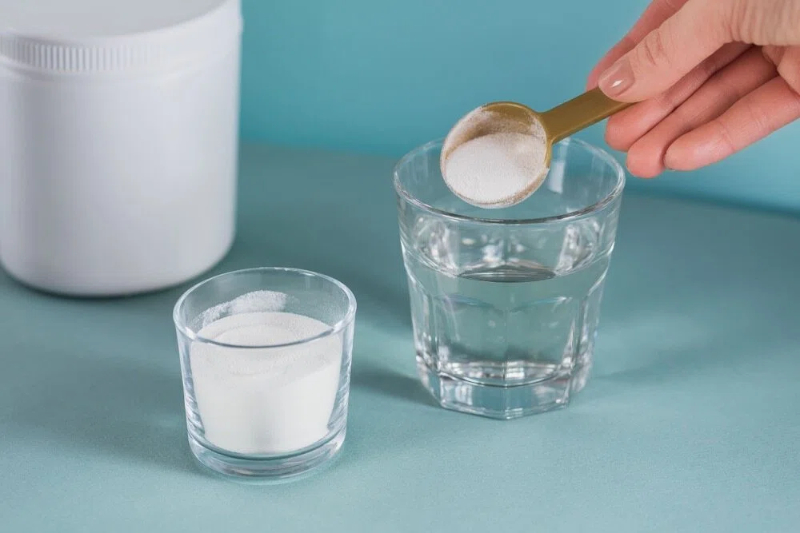
At its core, aspartame is composed of two amino acids: aspartic acid and phenylalanine. These are the same building blocks found in proteins that occur naturally in food. By itself, each amino acid is not sweet, but when they are chemically bonded and combined with a small methyl ester group, the result is a compound that is about 200 times sweeter than sucrose, or table sugar.
The IUPAC name for aspartame is L-aspartyl-L-phenylalanine methyl ester, which precisely describes its structure. Aspartic acid forms the acidic backbone of the molecule, while phenylalanine contributes to the molecule's aromatic, hydrophobic section. Together, they create an ideal balance that interacts with taste receptors on the tongue to produce a sweet and clean flavor.
The production of aspartame involves two broad stages: the creation of its amino acid components and their subsequent chemical or enzymatic coupling. Modern production leverages both biotechnological fermentation and precision synthesis to ensure quality, safety, and efficiency.
Initially, both amino acids are synthesized using microorganisms through fermentation. Engineers employ modified strains of Corynebacterium glutamicum or Escherichia coli, which can produce large quantities of amino acids when provided with simple carbon sources such as glucose or molasses. Inside large fermentation tanks, conditions such as temperature, pH, and aeration are carefully controlled to maximize yield.
After fermentation is complete, amino acids are separated and purified through crystallization. These high-purity amino acids are the starting materials for the aspartame synthesis process.
Aspartic acid has multiple reactive groups, which makes it prone to unwanted reactions. To ensure it bonds correctly with phenylalanine, specific chemical groups on the molecule are "protected." The side chain carboxyl group, for example, might be modified to form an anhydride or ester intermediate. This guarantees that only the desired part of the molecule takes part in the coupling reaction.
This step is crucial because it maintains the correct stereochemistry of the molecule. The "L" configuration of both amino acids must be preserved since the human taste receptor only recognizes this configuration as sweet—any deviation would produce bitterness or no taste at all.
Phenylalanine undergoes esterification, which means it reacts with methanol in the presence of acid catalysts to produce L-phenylalanine methyl ester. Once ready, this ester reacts with the activated aspartic acid, forming L-aspartyl-L-phenylalanine methyl ester—the chemical name for aspartame.
This condensation reaction typically happens under controlled temperature and pressure conditions to ensure that the desired "alpha" form is produced rather than the less sweet "beta" form. The product is then isolated as a crystalline white powder.
The crude aspartame is purified through filtration, washing, and recrystallization using ethanol or other solvents. High-performance liquid chromatography (HPLC) is a common analytical technique used to confirm the purity of the aspartame, which typically exceeds 99%. Any remaining catalysts, byproducts, or solvents are removed to meet international food safety standards.
Once purified, the aspartame is dried, milled into fine powder, and packed under dry, controlled conditions to prevent moisture degradation.
While chemical synthesis is common, some modern facilities utilize enzymatic processes. Enzymes such as thermolysin catalyze the peptide bond formation between aspartic acid and phenylalanine methyl ester. This biocatalytic method offers several advantages: higher selectivity, reduced byproduct formation, lower energy use, and environmentally friendly processing.
In the enzymatic route, the reaction occurs in mild conditions without the need for protective groups. Advances in biotechnology even allow genetically engineered enzymes that can produce aspartame with exceptional efficiency and purity, moving the industry toward greener manufacturing practices.
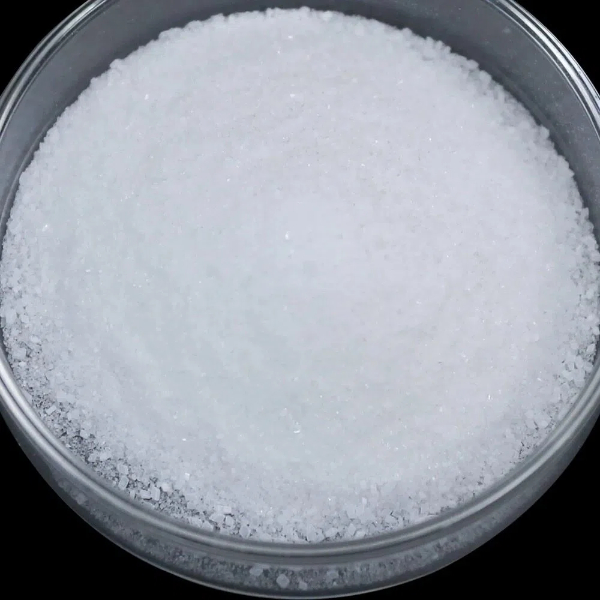
On an industrial scale, factories manage every step of aspartame production with precision. Large tanks, sometimes holding over 100,000 liters, are used for fermentation. The amino acids are continuously fed into synthesis reactors, forming aspartame through automated systems. Quality assurance laboratories monitor every batch to guarantee consistent taste and stability.
In China, for example, many modern facilities integrate OEM and ODM production services. These factories supply aspartame and aspartame-based blends tailored for international food, beverage, and healthcare industries. By combining aspartame with other functional ingredients like erythritol, xylitol, or dietary fibers, manufacturers create customized sweetening systems that meet diverse market needs.
Aspartame's unique sweetness profile makes it ideal for a broad range of applications. You can find it in:
- Diet soft drinks and flavored waters.
- Sugar-free chewing gum and candies.
- Light yogurts, desserts, and puddings.
- Pharmaceutical tablets and chewable vitamins.
- Nutritional products for diabetic or calorie-conscious consumers.
Aspartame delivers sweetness without contributing calories because, although it is metabolized into aspartic acid, phenylalanine, and methanol, the quantities are extremely small—comparable to those naturally found in fruits and vegetables.
This makes aspartame especially useful in diabetic diets and weight control formulations. Its clean taste pairs well with other sweeteners such as acesulfame-K or stevia to enhance the overall sensory profile.
Since its discovery in 1965 by chemist James Schlatter at G.D. Searle, aspartame has undergone extensive safety evaluations. The U.S. Food and Drug Administration (FDA) approved its use in 1981, followed by hundreds of subsequent reviews by international agencies such as the European Food Safety Authority (EFSA) and the World Health Organization (WHO).
Over 200 independent studies confirm that aspartame is safe for general consumption within the acceptable daily intake (ADI) of 50 mg per kilogram of body weight. For example, a 70 kg adult could safely consume the equivalent sweetness of roughly 20 cans of diet soda per day without exceeding the ADI.
The only health concern applies to individuals with phenylketonuria (PKU), a rare genetic disorder that impairs the metabolism of phenylalanine. For these individuals, phenylalanine-containing products like aspartame must be avoided.
Aspartame's main limitation is its instability at high temperatures. When heated, it can break down into diketopiperazine (DKP) and lose its sweetness. Consequently, it is used primarily in cold or room-temperature applications rather than baking. Food technologists often pair aspartame with more heat-stable sweeteners to extend its usability.
Aspartame stimulates the T1R2 and T1R3 sweet receptors on the tongue. These receptors respond strongly to the dipeptide's shape and chemical properties, leading to a sweet taste similar to sugar but without the lingering bitterness often associated with some other artificial sweeteners. The sweetness is clean, quickly perceived, and fades smoothly.
The molecule's stereochemistry is key. Only the L,L-configuration interacts effectively with receptor sites; any structural variant disrupts this interaction, leading to little or no perceived sweetness. This explains why production processes must maintain tight control over molecular orientation.
As the food industry moves toward sustainability, many manufacturers have improved aspartame's environmental footprint. Fermentation-based production now utilizes renewable glucose sources, and closed-loop water systems recycle up to 90% of water used in processing. New fermentation technologies minimize waste and reduce reliance on petroleum-based feedstocks traditionally used in chemical syntheses.
Research is also advancing into genetically engineered microorganisms capable of producing aspartame directly, bypassing several intermediate steps. This "one-pot" biotechnological approach could make aspartame production even more efficient and eco-friendly in the coming decades.
Aspartame continues to evolve alongside changing health trends. The global demand for reduced-sugar food is driving innovation in sweetener blends. Companies are now experimenting with composite sweeteners—mixing aspartame with natural alternatives like stevia, monk fruit extract, or allulose. These blends combine calorie reduction with the natural perception consumers increasingly seek.
In China, leading OEM factories are pioneering functional aspartame systems that integrate dietary fibers and polyols for balanced sweetness and improved gut health. In the pharmaceutical sector, aspartame's pleasant taste helps mask the bitterness of active ingredients, improving patient compliance in chewable or effervescent tablets.
Aspartame is a masterclass in modern food chemistry. Derived from two amino acids—aspartic acid and phenylalanine—it undergoes meticulous biochemical and synthetic transformations to yield a sweetener that delivers sugar-like taste with a fraction of the calories. Today, aspartame production combines fermentation, enzymatic technology, and advanced purification to ensure purity, safety, and sustainability.
Although its use must be monitored in individuals with phenylketonuria, decades of research confirm that aspartame remains safe for the general population when consumed within recommended limits. Its versatility, stability in cold applications, and compatibility with other sweeteners make it a cornerstone of the global low-calorie food industry.
As innovations in biotechnology and enzyme engineering continue to progress, the future of aspartame looks even sweeter—more efficient, sustainable, and aligned with the world's push toward healthier, low-sugar living.
Aspartame is made from two amino acids, L-aspartic acid and L-phenylalanine, chemically bonded with a small methyl ester group to form a low-calorie, intensely sweet compound.
It is produced through fermentation to create amino acids, followed by chemical or enzymatic synthesis, purification, and crystallization into a fine white powder suitable for food, beverages, and pharmaceuticals.
Yes. Regulatory authorities worldwide confirm aspartame's safety for general use. Only individuals with phenylketonuria (PKU) should avoid it, since they cannot metabolize phenylalanine effectively.
Aspartame decomposes when exposed to high heat, which breaks it down into diketopiperazine and reduces its sweetness. Therefore, it is best suited for cold or room-temperature applications.
Aspartame provides intense sweetness without calories, supports weight management, is safe for diabetic diets, and works well in combination with other sweeteners for balanced sweetness profiles.


