
Views: 222 Author: Sara Publish Time: 2026-01-20 Origin: Site


Content Menu
● Polydextrose Market in Japan
● Leading Polydextrose Manufacturers and Suppliers Active in Japan
● Applications in Food, Beverage, and Healthcare
● Functional Benefits for Product Developers
● How to Evaluate Polydextrose Manufacturers and Suppliers in Japan
>> Quality Certifications and Compliance
>> Product Specifications and Performance
>> Application and R&D Support
>> Logistics, Service, and Supply Security
● Blended Systems: Polydextrose with Sweeteners and Polyols
● Opportunities for Foreign OEM/ODM and Contract Manufacturing
● Regulatory and Labeling Considerations in Japan
● Consumer Trends Driving Polydextrose Usage
● How Foreign Buyers Can Approach the Japanese Market
● FAQ
>> 1. What is polydextrose and why is it popular in Japan?
>> 2. Which companies are leading Polydextrose Manufacturers and Suppliers in Japan?
>> 3. What applications are most common for polydextrose in Japan?
>> 4. How do I choose suitable Polydextrose Manufacturers and Suppliers for the Japanese market?
>> 5. Are there opportunities to combine polydextrose with other ingredients in OEM/ODM projects?
Japan has become a strategic market for health-focused ingredients, and demand for polydextrose is growing rapidly in food, beverage, and healthcare applications. For overseas buyers looking for reliable Polydextrose Manufacturers and Suppliers, understanding the leading companies, market trends, and sourcing options in Japan is essential.

Polydextrose is a synthetic, water-soluble dietary fiber produced from glucose with minor amounts of sorbitol and citric acid, widely used as a low-calorie bulking agent and sugar replacer. It improves texture, adds bulk, and supports digestive comfort without significantly raising blood glucose, making it attractive for functional foods and beverages.
Typical applications for products from Polydextrose Manufacturers and Suppliers include:
- Sugar-reduced confectionery, bakery, and dairy products.
- Functional beverages, nutritional supplements, and medical nutrition.
- Meal replacements, diet foods, and fiber-enriched snacks.
Because polydextrose behaves similarly to soluble fiber in the digestive system, it can help increase total daily fiber intake. Many formulators value it for its neutral taste, which allows it to be used at relatively high inclusion levels without negatively impacting flavor.
Japan is one of the most dynamic markets for polydextrose in Asia, driven by an aging population, interest in digestive health, and strong demand for functional foods and beverages. The Japanese polydextrose segment has been expanding steadily as local brands reformulate to reduce sugar, add fiber, and improve the overall nutritional profile of everyday products.
Several structural trends are pushing demand for high-quality solutions from Polydextrose Manufacturers and Suppliers:
- Rising awareness of gut health, fiber intake, and weight management.
- Growing interest in low-calorie, low-sugar snacks, drinks, and bakery products.
- Preference for safe, traceable ingredients that comply with strict Japanese regulations.
Governmental and industry initiatives encouraging healthier eating patterns also support the use of polydextrose in reduced-sugar and high-fiber innovations. As consumers become more label-conscious, manufacturers prioritize ingredients with well-understood safety profiles and versatile functionality.
Japan's polydextrose landscape combines strong domestic players with global ingredient giants supplying the market through local subsidiaries, distributors, and trading houses. The top Polydextrose Manufacturers and Suppliers have invested heavily in quality systems, technical support, and long-term partnerships with Japanese food and beverage brands.
Otsuka Pharmaceutical Co., Ltd. is widely regarded as a leading domestic producer of polydextrose and other functional fibers. The company leverages pharmaceutical-grade quality standards, clinical data, and strong brand recognition in health-related products to support advanced formulation projects. Its fiber ingredients are commonly used in functional foods, beverages, and medical nutrition.
Tate & Lyle PLC supplies Japan with its well-known Litesse® polydextrose range. As one of the global Polydextrose Manufacturers and Suppliers, Tate & Lyle provides extensive technical support and application know-how for sugar reduction, texture optimization, and calorie reduction in beverages, snacks, confectionery, and dairy products.
Danisco (now part of IFF) offers multifunctional polydextrose for texture enhancement and fiber enrichment in bakery, dairy, confectionery, and specialized nutrition. Its portfolio focuses on consistent performance under various processing conditions, making it attractive to Japanese manufacturers that prioritize reliability and process stability.
Cargill Inc. provides non-GMO, clean-label polydextrose options to the Japanese market. The company's global sourcing and supply chain capabilities help ensure stable deliveries, which is critical for major food and beverage customers. Cargill's solutions are often used in clean-label foods, beverages, and health-oriented snacks.
The Scoular Company focuses on cost-effective bulk polydextrose supply to industrial buyers. Its strength lies in logistics, risk management, and ingredient distribution, making it a valuable partner for large-scale manufacturers and private-label brands seeking competitive pricing.
Regional and international producers such as Baolingbao Biology, Samyang Corporation, Henan Tailijie Biotech, and other Asian manufacturers also contribute significantly. These Polydextrose Manufacturers and Suppliers offer competitive, high-fiber polydextrose powders that are frequently used in confectionery, beverages, nutritional powders, and fiber fortification blends destined for the Japanese market.
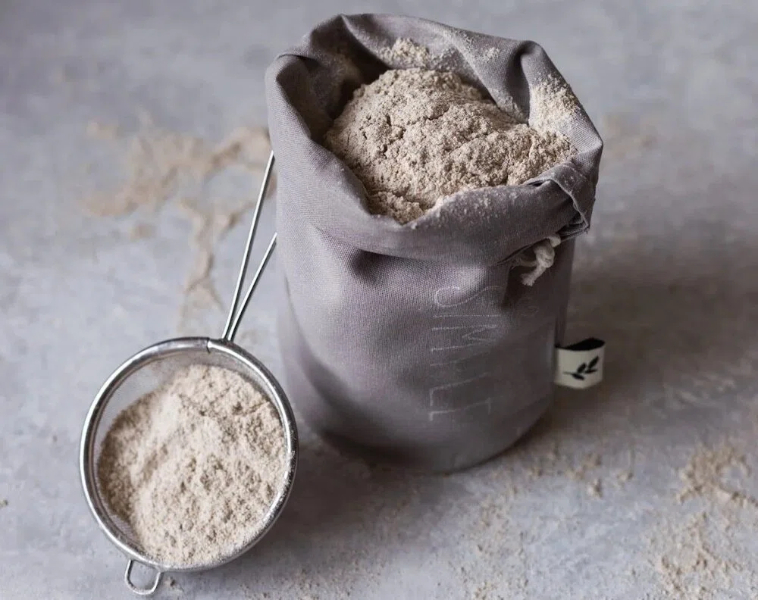
Polydextrose plays a particularly important role in the Japanese bakery and confectionery sector, where consumers look for indulgent products with reduced sugar and increased fiber. Many well-known Japanese brands have introduced sugar-free or reduced-sugar chocolates, cookies, and chewing gums using polydextrose as a bulking agent and texture improver.
In beverages and dairy drinks, polydextrose is used to create fiber-enriched juices, yogurts, ready-to-drink teas, and functional beverages positioned for digestive comfort or satiety. By adding body and slight sweetness, polydextrose helps manufacturers compensate for sugar reduction while maintaining a pleasant mouthfeel.
The healthcare and nutraceutical sectors also rely on polydextrose as a functional fiber. It appears in medical foods, fiber supplements, nutritional powders, and over-the-counter digestive support products. Because it is relatively stable during processing and storage, polydextrose suits formats such as tablets, sachets, and instant beverage powders where consistency and shelf life are critical.
When product developers cooperate with Polydextrose Manufacturers and Suppliers, they gain access to a versatile ingredient that can solve multiple formulation challenges at once. Key benefits include:
- Calorie reduction: Polydextrose typically provides about one quarter of the calories of sucrose, aiding in energy reduction.
- Sugar reduction: It replaces bulk lost when sugar is removed, helping maintain product volume and texture.
- Fiber enrichment: It increases declared fiber content without strongly impacting taste.
- Texture and mouthfeel: It improves body, creaminess, and bite, particularly in reduced-sugar systems.
Because of its neutral flavor profile, polydextrose can be used alongside high-intensity sweeteners and sugar alcohols to create balanced, consumer-friendly flavor profiles. This makes it an essential tool for manufacturers aiming to meet both nutritional targets and sensory expectations.
When selecting Polydextrose Manufacturers and Suppliers in Japan, foreign buyers should focus on quality, functionality, compliance, and service capabilities. Beyond basic price comparisons, careful evaluation of technical and regulatory aspects helps build sustainable long-term partnerships.
High-quality polydextrose suppliers typically maintain robust quality management systems. Buyers should verify certifications such as FSSC 22000, ISO, and HACCP, along with compliance with Japanese Food Sanitation Law and other local requirements. For export-oriented projects, alignment with international regulations in the EU, US, and other regions is equally important.
Additional documentation such as non-GMO statements, allergen declarations, and, where relevant, Halal and Kosher certificates may be required. Reliable Polydextrose Manufacturers and Suppliers provide comprehensive technical dossiers, safety data, and regulatory support to simplify approval processes.
Polydextrose product specifications vary among suppliers and grades, so assessing technical details is vital. Key parameters include:
- Dietary fiber content, often targeted at or above 90% on a dry basis for high-purity grades.
- Caloric value, which is typically around 1 kcal per gram.
- Solubility and clarity, especially important in beverages and transparent applications.
- Particle size, hygroscopicity, and flow properties, which affect handling and processing.
Developers should test how different polydextrose products perform under heat, shear, and different pH conditions relevant to their processes. Leading Polydextrose Manufacturers and Suppliers usually provide detailed application notes and prototype formulations to support these evaluations.
Strong technical support is one of the most important differentiators between suppliers. Many manufacturers maintain application labs and pilot facilities where new recipes can be developed and tested. Such capabilities are especially valuable for OEM/ODM customers that require customized blends or localized formulations tailored to Japanese consumer preferences.
Support may include sensory testing, shelf-life studies, stability testing, and assistance with nutritional and on-pack claims. Suppliers that understand both Japanese regulations and global labeling requirements can help customers design products suitable for multiple markets.
For long-term projects, stable supply is just as important as product quality. Buyers should evaluate lead times, local stock availability, and minimum order quantities. Distributors and local trading houses can help manage inventories in Japan, reducing the risk of stock-outs.
Polydextrose Manufacturers and Suppliers with multiple production sites and robust risk-management strategies can offer stronger supply security. Some customers also seek partners with sustainability policies covering environmental performance, energy usage, and responsible sourcing of raw materials.
A major opportunity in Japan lies in blended systems that combine polydextrose with sweeteners and polyols. Instead of buying each ingredient separately, many manufacturers prefer integrated solutions that deliver sweetness, bulk, and fiber in a single premix.
Polydextrose blends can include:
- High-intensity sweeteners such as stevia or sucralose for sweetness.
- Sugar alcohols like erythritol, maltitol, or xylitol for sweetness and cooling effect.
- Additional fibers such as inulin, resistant dextrin, or soluble corn fiber for enhanced nutritional profiles.
Polydextrose Manufacturers and Suppliers that specialize in tailored blends can fine-tune the ratio of each component to match desired sweetness levels, texture, and stability. This approach simplifies procurement and improves batch-to-batch consistency, especially for customers producing in multiple factories or countries.
Japan's growing focus on low-sugar, high-fiber products opens numerous collaborative opportunities for overseas Polydextrose Manufacturers and Suppliers that offer integrated sweetener and fiber systems. Foreign factories with strong capabilities in blending, tableting, and customized packaging can become strategic partners for Japanese and global brands.
For exporters that specialize in:
- Mixed sweetener systems combining polydextrose, natural sweeteners, and functional polyols.
- Tablet production for nutraceuticals, candies, lozenges, and functional supplements.
- OEM/ODM services to design and produce finished products specifically targeted at Japanese or international markets.
Such companies can support brand owners that wish to rapidly launch new concepts without investing in new equipment. By offering formulation development, pilot testing, and full-scale production under one roof, these Polydextrose Manufacturers and Suppliers help reduce time to market and overall development risk.
When launching polydextrose-containing products in Japan, compliance with local regulations and labeling rules is essential. Polydextrose is generally recognized as safe when used within approved limits, but usage levels and claims must follow relevant guidelines.
Manufacturers must ensure that dietary fiber claims, sugar-reduction claims, and health-related messaging are substantiated and aligned with regulatory standards. For example, to claim a product as "high in fiber," it must meet specific criteria for fiber content per serving. Transparent and accurate labeling enhances consumer trust and helps maintain brand reputation.
Collaborating with experienced Polydextrose Manufacturers and Suppliers that understand Japanese and international regulations reduces the risk of noncompliance. Many ingredient companies offer regulatory consulting services and up-to-date information on evolving requirements, which is particularly valuable for foreign brands new to the market.
Several consumer trends support the increased use of polydextrose in Japan. Health-conscious shoppers are actively seeking products that support digestive wellness, weight management, and overall well-being. At the same time, there is strong interest in products that allow occasional indulgence without excessive sugar or calories.
Clean-label expectations also influence the way polydextrose is used and communicated. While polydextrose is not considered a traditional “natural” fiber, it has a long history of safe use and is supported by extensive scientific data. When positioned correctly—emphasizing fiber benefits, calorie reduction, and balanced nutrition—it can fit well into modern Japanese consumers' dietary choices.
For overseas buyers, entering or expanding in the Japanese market requires careful planning and a strong network of local partners. Working with established Polydextrose Manufacturers and Suppliers that already have experience in Japan can significantly lower barriers to entry.
Key steps include:
- Conducting detailed market research on target categories such as beverages, confectionery, or supplements.
- Identifying distributors, trading companies, or direct customers that align with your product offering.
- Presenting clear value propositions focused on quality, technical support, and reliable supply.
- Offering customized solutions, including blended systems or OEM/ODM services, rather than only single ingredients.
Participation in Japanese trade shows and industry events can also help build visibility and credibility. Demonstrating prototypes and finished products that highlight polydextrose benefits is often more persuasive than discussing ingredients in isolation.
Japan's polydextrose market is expanding steadily, supported by strong consumer interest in digestive health, weight management, and functional foods. For buyers searching for reliable Polydextrose Manufacturers and Suppliers, Japan offers both leading domestic producers and globally recognized ingredient companies that provide high-quality, versatile polydextrose for a wide range of applications.
By focusing on quality certification, regulatory compliance, application support, and supply security, foreign buyers can identify suitable partners and build sustainable business relationships. Blended solutions that combine polydextrose with sweeteners, polyols, and other fibers, as well as OEM/ODM collaborations, will continue to shape the next generation of health-oriented products in Japan and beyond.
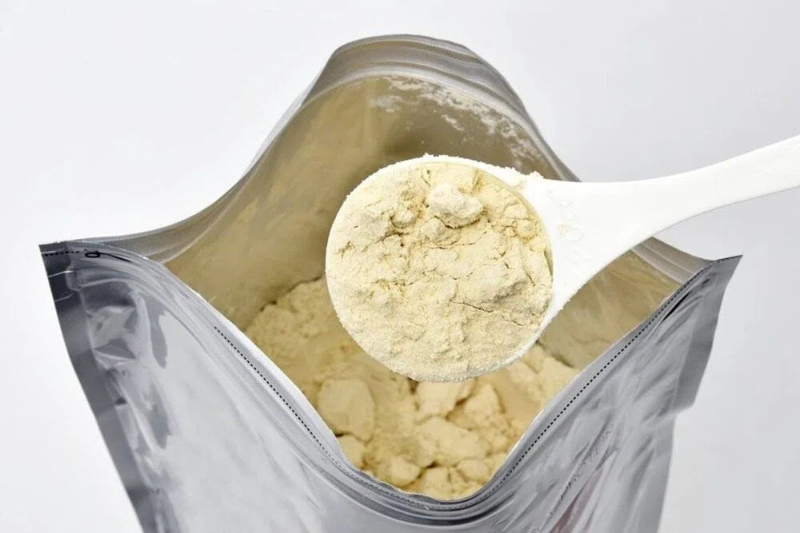
Polydextrose is a synthetic, water-soluble dietary fiber made primarily from glucose, used as a low-calorie bulking agent and sugar replacer. In Japan, it is popular because it supports sugar reduction and fiber enrichment in foods and beverages while fitting well with consumers' focus on digestive wellness and calorie control.
Among domestic players, Otsuka Pharmaceutical Co., Ltd. is widely regarded as a leading supplier of polydextrose and other functional fibers. Global companies such as Tate & Lyle, Danisco (IFF), Cargill, The Scoular Company, and several Asian producers also act as important Polydextrose Manufacturers and Suppliers for the Japanese market, often working through local distributors and partners.
The largest uses of polydextrose in Japan are in bakery and confectionery products such as sugar-free cakes, cookies, chocolates, and gums, where it helps replace sugar bulk and maintain texture. It is also widely used in beverages, dairy drinks, nutritional supplements, and medical nutrition products designed for digestive health and weight management.
To choose suitable suppliers, buyers should evaluate quality certifications, regulatory compliance, and the technical specifications of each polydextrose grade. It is also important to consider the supplier's ability to support product development, provide customized blends, ensure stable logistics, and offer long-term supply security to serve both Japanese and export markets.
Yes, many Polydextrose Manufacturers and Suppliers offer blended systems that combine polydextrose with natural sweeteners, sugar alcohols, and other dietary fibers. These integrated solutions are increasingly used in OEM/ODM projects for functional beverages, confectionery, and nutraceutical tablets, allowing brands to achieve specific sweetness, texture, and nutritional targets while simplifying sourcing and production.
1. https://www.futuremarketinsights.com/reports/polydextrose-industry-analysis-in-japan
2. https://www.linkedin.com/pulse/japan-soluble-dietary-fibers-food-additive-market-byyac
3. https://www.imarcgroup.com/top-polydextrose-manufacturer
4. https://www.otsuka.co.jp/en/health-and-illness/fiber/about/type/polydextrose/
5. https://redox.com/products/polydextrose/
6. https://novasolingredients.com/supplier-of-polydextrose/
7. https://www.matsutani.co.jp/english/company/history.html
8. https://www.tailijie.net/product/750.html
9. https://www.linkedin.com/pulse/top-polydextrose-ingredients-companies-how-compare-fp4if
10. https://www.otsukafoods.co.jp/en/product/mannan_hikari/525.html


