
Views: 222 Author: Sara Publish Time: 2025-11-12 Origin: Site


Content Menu
● Introduction to Monk Fruit and Mogrosides
● Market Segments and Applications in Canada
● Product Forms and Performance Considerations
● Certifications, Quality Assurance, and Regulatory Compliance
● Leading and Emerging Players in Canada and Global Supply Networks
● Production and Extraction Efficiency: What to Look For
● Quality Attributes for Canadian Markets
● Case Studies and Practical Formulation Guidance
● Sustainability and Supply Chain Considerations
● Optimized Nutrition and Health Positioning
● FAQ
>> 1. What certifications should I look for when sourcing monk fruit extract in Canada?
>> 2. Can monk fruit extract replace sugar in all product formats?
>> 3. How do blends affect flavor and texture?
>> 4. What formulation considerations are important for OEM/ODM projects?
>> 5. How should monk fruit extracts be stored and handled?
Monk fruit extract has risen to prominence as a natural, low-calorie sweetener with robust applications across food, beverage, and health products. In Canada, this trend is accelerating as more monk fruit extract manufacturers and suppliers recognize monk fruit as a strategic solution for sugar reduction, clean labeling, and health-oriented product portfolios. This article provides a comprehensive overview of the landscape, emphasizing how Canadian and international players meet stringent quality standards, accessibility, and customized formulation needs for multinational clients.
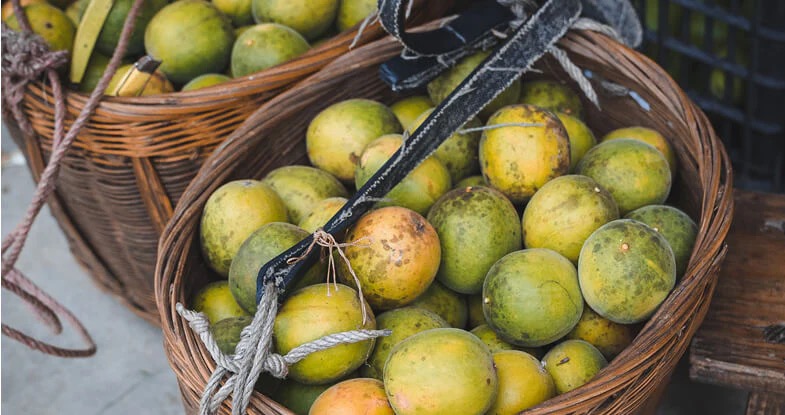
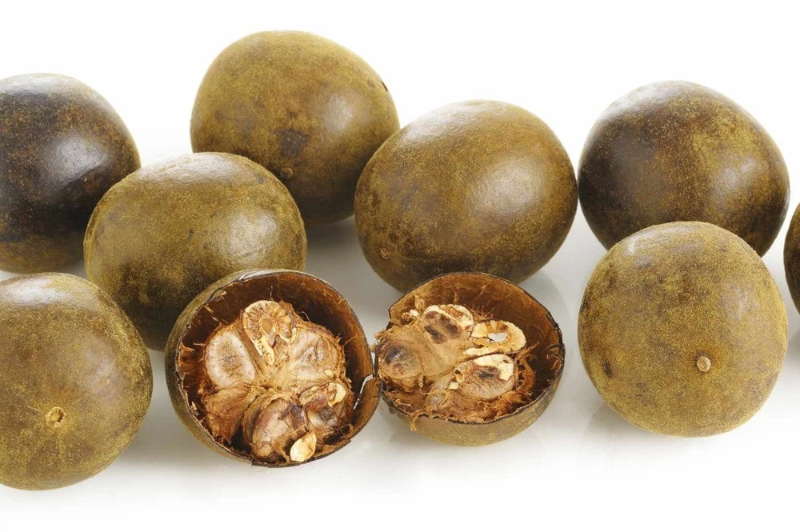
Monk fruit, scientifically known as Siraitia grosvenorii, is native to southern China and is prized for mogrosides, a family of intensely sweet compounds. Mogroside V, in particular, is a key contributor to the fruit's sweetness, enabling extraction into high-purity sweeteners that can outperform sugar on a calorie basis while offering a clean, sugar-like taste profile with minimal aftertaste when properly calibrated. The broader market embraces monk fruit extracts in forms suitable for dry blends, syrups or liquid concentrates, and finished products intended for tabletop use or industrial formulation. The Canadian market, supported by rigorous regulatory standards, seeks suppliers who can deliver consistent purity, stable supply channels, and transparent labeling for international brands targeting North American consumers.
- Food and beverage manufacturers: For reformulated drinks, bakery products, confectioneries, dairy alternatives, and ready-to-eat meals seeking reduced sugar content without compromising palatability.
- Nutraceuticals and dietary supplements: In powder and capsule formats where precise dosing and clean labeling are essential.
- OEM/ODM partnerships: For custom sweetener blends, tablet formulations, and co-development of sugar-reduction strategies tailored to brand requirements.
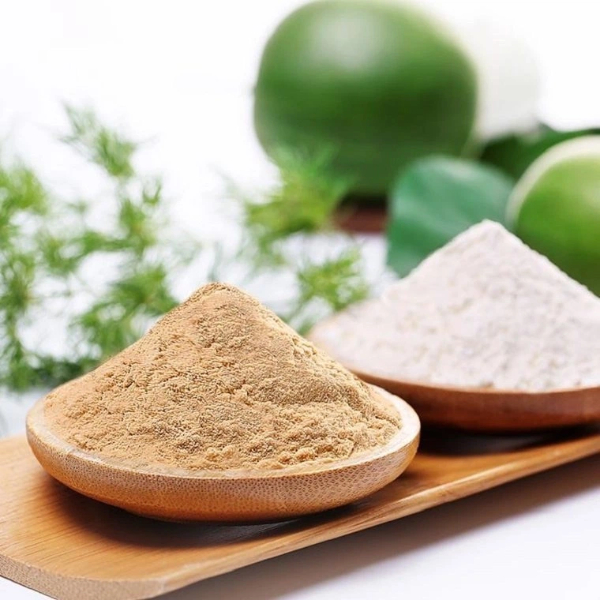
- Pure monk fruit extract powders: Concentrated blends designed for dry formulations such as baking mixes, snack bars, and powdered beverages. The powder form offers convenient dosing and stable shelf life when moisture control is maintained.
- Liquid monk fruit concentrates: Ideal for beverages, sauces, and ready-to-use flavor systems where rapid dissolution and consistent sweetness are crucial.
- Blended sweeteners: Monk fruit is frequently blended with polyols (like erythritol) or other natural sweeteners to balance taste, mouthfeel, and rheology, while delivering sugar-reduction targets and cost efficiency.
- Organic and non-GMO certifications: A growing cohort of Canadian suppliers and their international partners emphasize organic cultivation, non-GMO sourcing, and rigorous supplier qualification processes.
- Food safety and traceability: ISO 22000, HACCP-based programs, and GMP manufacturing environments are commonly pursued to ensure product integrity from farm to finished ingredient.
- Allergen management and labeling: Clear allergen declarations and compliant labeling practices align with Canada's food safety and consumer protection standards, enabling seamless use in multinational product lines.
- Local suppliers with global reach: Several Canadian distributors handle monk fruit extracts sourced from leading international producers, providing value-added services such as custom blends, technical support, and regulatory guidance for North American markets.
- Global manufacturers with Canadian presence: International leaders in monk fruit extraction maintain robust supply chains and offer Canadian distribution networks, enabling stable access to high-purity mogroside-rich extracts and tailored blends.
- Emergent innovation: Ongoing partnerships between academia, agricultural programs, and industry players are advancing cultivation, extraction efficiency, and green processing practices to improve yield, purity, and sustainability.
- Raw material quality: Access to fruit varieties with high mogroside content and consistent seasonal supply reduces variability in final product sweetness and taste.
- Extraction technology: Water-based or solvent-assisted methods that maximize mogroside recovery while minimizing impurities are preferred for clean-label applications.
- Purification and concentration: Processes that yield stable mogroside content, minimal bitter aftertaste, and low levels of undesired milligrams of impurities support broader product formulation.
- Formulation stability: Powder and liquid forms should maintain sweetness intensity across storage conditions, temperature ranges, and pH variations typical of food and beverage applications.
- Taste and aftertaste: A major differentiator for monk fruit products is the absence of bitter aftertaste at higher sweetness dilutions. Suppliers that optimize mogroside profiles and balancing blends can achieve near-sugar sweetness with clean mouthfeel.
- Cost-effectiveness: Blends with erythritol or other polyols often deliver better mouthfeel and reduced aftertaste while achieving Sugar-Reduction targets without sacrificing flavor intensity.
- Solubility and stability: For beverage applications, select liquids with high solubility and stability in varying temperatures; for dry mixes, ensure excellent dispersibility and minimal clumping.
- Regulatory clarity: Transparent documentation of supply chains, certificates, and compliance with Canadian and international food safety standards simplifies market entry for multinational brands.
- Beverage formulation: A ready-to-drink tea or juice that targets "zero-calorie" or "low-sugar" categories can leverage a monk fruit-erythritol blend to achieve sweet taste profiles with clean label claims. Proper sweetener load planning and sensory testing are essential to avoid off-notes and to optimize mouthfeel.
- Baked goods: Dry mixes for cookies or cereals benefit from monk fruit powder blends that maintain sugar-like sweetness while accounting for sugar's functional roles in browning and moisture retention. Adjusting hydration and binder content can help maintain texture and grain structure.
- Dairy alternatives: Plant-based milks and yogurts can use monk fruit concentrates to deliver sweetness without noticeable aftertaste, supporting fortification with fibers or plant proteins for a balanced nutrient profile.
- Responsible sourcing: Buyers increasingly value supply chains that emphasize sustainable cultivation, fair labor practices, and traceable origins for monk fruit raw materials.
- Packaging and transport: Moisture-protective packaging and efficient cold-chain logistics (where applicable for liquid concentrates) minimize quality loss during international shipping.
- Lifecycle impact: Manufacturers are exploring greener extraction technologies and lower-energy processing to reduce environmental footprints while maintaining product quality.
Monk fruit extracts are leveraged for their zero- or low-calorie profiles, aligning with public health initiatives and consumer demand for healthier sweetening options. When combined with dietary fibers or prebiotic blends, these ingredients can contribute to digestive health narratives and clean-label storytelling, appealing to both mainstream and health-conscious segments.
- Clean labeling and natural ingredients: Consumers increasingly scrutinize label claims, driving demand for transparent sourcing and verifiable efficacy of natural sweeteners.
- Sugar reduction mandates: Regulatory environments in North America promote reduced added sugars, creating favorable conditions for monk fruit-based solutions in reformulated products.
- Innovation in blends: Continuous product development in monk fruit-Polyol blends offers improved taste profiles, mouthfeel, and processing performance across various product categories.
The Canadian monk fruit extract landscape reflects a mature yet dynamic market shaped by global supply networks, stringent quality standards, and strong demand for natural, low-calorie sweeteners. By partnering with reputable suppliers who offer organic certification options, clear labeling, and customization capabilities for blends, Canada-based manufacturers and international brands can develop differentiated products that meet today's health-conscious consumer expectations. The integration of monk fruit with dietary fibers and functional polyols further expands the potential for holistic health-oriented formulations, enabling OEM/ODM collaborations that deliver turnkey sweetness solutions for diverse applications.
Top suppliers typically provide organic, non-GMO, kosher, halal, and rigorous food-safety certifications, along with traceability documentation and GMP-compliant production practices.
Monk fruit extract excels as a high-intensity sweetener, especially when blended with polyols or other natural sweeteners to achieve sugar-like mouthfeel and volumetric sweetness in beverages, baked goods, and dairy alternatives.
Blending monk fruit with erythritol or other natural sweeteners can balance sweetness intensity, reduce aftertaste, and improve mouthfeel, while preserving clean-label attributes and reducing calorie content.
Important factors include target sweetness level, product viscosity, texture, heat stability, labeling requirements, and regulatory compliance for each target market, as well as reliable supply and consistent mogroside content.
Store in a cool, dry place away from moisture and direct sunlight. For liquids, maintain appropriate temperature control to preserve stability; for powders, ensure moisture-proof packaging and airtight containers to prevent clumping and degradation.
[1](https://www.stmonk.com/news/monk-fruit-extract-factory_116.html)
[2](https://www.foodandnutritionjournal.org/volume13number1/the-battle-of-natural-sweeteners-a-comprehensive-guide-to-monk-fruit-and-stevia/)
[3](https://www.canada.ca/en/health-canada/services/food-nutrition/public-involvement-partnerships/notice-proposal-enable-use-new-food-additive-monk-fruit-extract-extract-sweetener-table-top-sweeteners/consultation.html)
[4](https://hhoya.com/holistic-sustainable-ingredient-solutions/our-products/natural-sweetners/monk-fruit-extract/)
[5](https://ific.org/insights/everything-you-need-to-know-about-monk-fruit-sweeteners/)
[6](https://monkfruitcorp.com/leadership-innovation/)
[7](https://www.reddit.com/r/foodscience/comments/pn5m3h/why_is_monkfruit_not_allowed_in_canada/)
[8](https://layncorp.com/monk-fruit/)
[9](https://us.howtiangroup.com/monk-fruit-how-to-formulate-with-this-popular-natural-sweetener/)
[10](https://monkvee.com/blogs/monkvee-news/the-process-of-how-monk-fruit-is-harvested-and-processed)


