


Content Menu
● Defining Sugars and Sweeteners
>> Sugar Alcohols as Sweeteners
● Chemical and Structural Differences
● Caloric Content and Glycemic Response
● Health and Safety Profile of Sweeteners
● Industrial Applications of Sweeteners
● Sweeteners in Baking and Cooking
● Sensory Science of Sweeteners
● Regulatory Landscape for Sweeteners
● Environmental Sustainability of Sweeteners
● Myths and Misconceptions About Sweeteners
● Future Innovations in Sweeteners
● Blending Strategies for Superior Sweeteners
● Sweeteners in Healthcare Products
● Global Market Trends for Sweeteners
● FAQ
>> 1. Are all sweeteners zero-calorie?
>> 2. Can sweeteners fully replace sugar in cooking?
>> 3. Do natural sweeteners offer extra health benefits?
>> 4. Are sweeteners safe for diabetics?
>> 5. Why do some sweeteners taste different from sugar?
Sweeteners deliver the beloved taste of sweetness without the caloric and metabolic baggage of traditional sugars. This fundamental difference positions sweeteners as vital tools in modern health-focused food production, especially for industries like food, beverages, and healthcare seeking sugar alternatives.
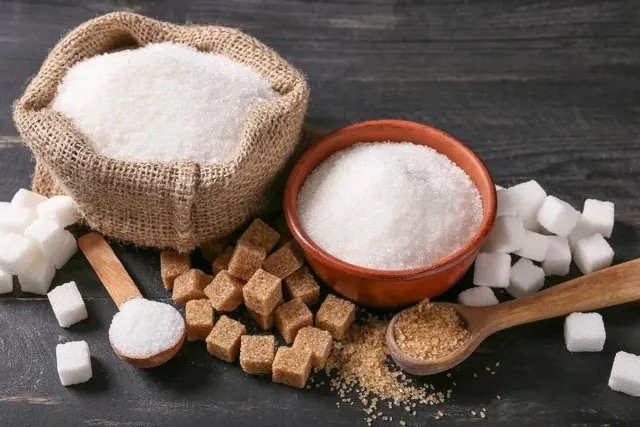
Sugars, primarily sucrose derived from sugarcane or beets, serve as disaccharides that break down into glucose and fructose during digestion. These sugars supply approximately 4 calories per gram and trigger rapid blood glucose spikes, contributing to energy crashes and long-term health concerns like insulin resistance. Sweeteners, however, represent a diverse class of compounds designed to activate the same sweet taste receptors on the tongue while bypassing sugar's full nutritional impact.
The key question—"Is sweetener a sugar?"—hinges on this metabolic divergence. Sweeteners encompass artificial variants like aspartame, natural options such as stevia glycosides, and sugar alcohols like erythritol. Unlike sugars, most sweeteners contribute zero or negligible calories, making them indispensable for calorie-controlled diets and diabetic-friendly products. Manufacturers specializing in sweeteners leverage this distinction to craft blended sweetener solutions that replicate sugar's sensory profile without its drawbacks.
Artificial sweeteners dominate the zero-calorie sweetener market due to their exceptional potency. Aspartame, for instance, offers 200 times the sweetness of sugar, while sucralose reaches up to 600 times, all derived through chemical synthesis. These sweeteners pass through the digestive system largely unmetabolized, exerting no influence on blood sugar levels—a stark contrast to sugars.
Saccharin, one of the earliest artificial sweeteners discovered in 1879, paved the way for modern sweetener innovation. Today, artificial sweeteners feature prominently in diet sodas, tabletop sweeteners, and sugar-free confections. Their stability under heat makes certain sweeteners, like sucralose, ideal for baking applications where sugars traditionally provide both sweetness and structure.
Natural sweeteners appeal to clean-label enthusiasts, sourced directly from plant materials without synthetic processing. Stevia, extracted from the leaves of the Stevia rebaudiana plant native to South America, delivers 200-300 times sugar's sweetness through steviol glycosides. Monk fruit extract, or luo han guo, similarly provides intense sweetness from mogrosides, often accompanied by mild antioxidant properties.
These natural sweeteners align perfectly with consumer demands for wholesome ingredients in beverages and snacks. Allulose, a rare sugar classified as a natural sweetener, mimics sugar's taste and texture remarkably well while offering just 0.4 calories per gram. Blends combining natural sweeteners ensure balanced flavor profiles, reducing any potential bitterness associated with high-intensity sweeteners.
Sugar alcohols, known chemically as polyols, occupy a middle ground between sugars and non-caloric sweeteners. Produced by hydrogenating sugars like glucose or xylose, examples include xylitol from birch trees, erythritol via fermentation, and maltitol from maltose. These sweeteners yield 2-3 calories per gram—half of sugar's load—and ferment slowly, minimizing gastrointestinal issues compared to fully fermentable sugars.
Sugar alcohols excel in chewing gums and candies, where their cooling effect and non-cariogenic nature prevent tooth decay. Erythritol stands out among sweeteners for its near-zero glycemic index and natural occurrence in fruits like melons. Functional blends of sugar alcohols with fibers enhance their utility in low-carb products.
At the molecular level, sugars like sucrose follow the formula C12H22O11, featuring a crystalline structure that digests into simple carbohydrates. Sweeteners diverge sharply: aspartame is a methyl ester of a dipeptide, sucralose incorporates chlorine atoms into a sugar backbone, and stevia glycosides are diterpene derivatives. This structural variance prevents sweeteners from fueling glycolysis like sugars do.
Sweet taste perception relies on TAS1R2/TAS1R3 receptors, which sweeteners and sugars both bind, but downstream metabolic pathways differ. Sugars enter the bloodstream as glucose, prompting insulin release; sweeteners typically evade this, offering sweetness decoupled from energy provision. Understanding these differences empowers food technologists to select optimal sweeteners for specific applications.
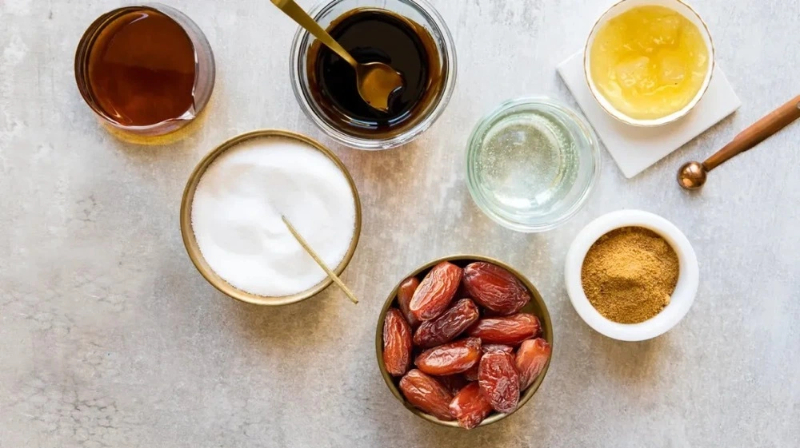
Sugars consistently deliver 4 kcal/g, fueling obesity epidemics when overconsumed. Sweeteners disrupt this equation: non-nutritive types like acesulfame potassium provide zero calories, while polyols cap at 2.4 kcal/g. Glycemic index (GI) further differentiates—sucrose scores 65, but erythritol nears 0, ideal for glycemic control.
In practical terms, swapping sugars for sweeteners in beverages slashes calorie intake dramatically; a sugary soda might pack 140 calories, its sweetened counterpart mere 0-5. This caloric disparity drives sweetener adoption in weight management programs and keto diets.
Decades of research affirm the safety of approved sweeteners. Regulatory agencies like the FDA establish acceptable daily intakes (ADIs)—e.g., 50 mg/kg body weight for aspartame—far exceeding typical consumption. Artificial sweeteners show no links to cancer in humans, debunking early saccharin rat studies. Natural sweeteners like stevia exhibit anti-hypertensive and anti-diabetic potential.
Sugar alcohols may cause laxative effects at high doses due to osmotic properties, but moderation mitigates this. Overall, sweeteners support reduced sugar intake, aligning with WHO guidelines to limit added sugars below 10% of daily energy.
Factories dedicated to sweeteners excel in blending artificial, natural, and polyol varieties for customized profiles. In the beverage sector, sweeteners replace high-fructose corn syrup, enabling zero-sugar colas and energy drinks. Medical healthcare leverages sweeteners in chewable tablets and syrups, masking bitterness while delivering actives like vitamins.
OEM/ODM services for sweeteners produce ready-to-use mixes for global manufacturers, incorporating functional fibers for gut health. Tablets pressed with sweeteners ensure palatability in nutraceuticals. Baking formulations adapt sweeteners with bulking agents like polydextrose to emulate sugar's volume and browning.
Traditional sugars contribute bulk, moisture retention, and Maillard browning; sweeteners require compensatory ingredients. Heat-stable sweeteners like sucralose shine in cakes and cookies, while blends with erythritol provide texture. Natural sweeteners ferment minimally, suiting yeast-free recipes.
Home cooks increasingly experiment with sweetener conversions—e.g., 1 tsp sugar equals 1/300 tsp stevia powder—unlocking low-sugar indulgences.
Sweeteners vary in temporal profiles: sugars build and fade smoothly, while some sweeteners onset quickly but linger. Bulking with fibers or dextrose optimizes mouthfeel. Sensory panels refine sweetener blends, ensuring temporal sweetness matches sugar.
Global bodies like EFSA and JECFA approve sweeteners rigorously. GRAS status accelerates natural sweeteners' market entry. China leads in stevia production, exporting high-purity sweeteners worldwide.
Sugarcane farming demands vast water; stevia requires 30% less. Fermentative production of erythritol minimizes waste. Sustainable sweeteners reduce carbon footprints in supply chains.
Claims that sweeteners disrupt microbiomes lack robust causation. Approved sweeteners pose no reproductive risks. Education dispels fears, highlighting sweeteners' role in public health.
Biotech yields novel sweeteners like fermented allulose. Protein-based sweeteners from brazzein promise heat stability. Personalized nutrition tailors sweetener profiles via AI.
Synergistic blends—stevia with monk fruit—eliminate aftertastes. Multi-sweetener matrices achieve 1:1 sugar equivalence. Proprietary sweetener formulations drive competitive edges.
In pharmaceuticals, sweeteners enhance compliance in pediatric and geriatric formulations. Fiber-sweetener synergies promote prebiotic effects. Low-GI sweeteners aid chronic disease management.
The sweetener market surges toward $10B by 2030, fueled by anti-sugar campaigns. Natural sweeteners claim 40% share. Asia-Pacific dominates production.
Sweeteners unequivocally differ from sugars, providing intense sweetness with minimal calories, glycemic impact, or dental risks. From artificial pioneers to natural powerhouses and versatile polyols, sweeteners enable innovative, health-oriented products across food, beverage, and healthcare sectors. As consumer awareness grows, strategic sweetener use promises sustained wellness without flavor compromise.
No, non-nutritive sweeteners like stevia and aspartame offer zero calories, but sugar alcohols like maltitol provide 2-3 kcal/g—still far below sugar's 4 kcal/g.
Heat-stable sweeteners such as sucralose excel in baking when paired with bulking agents, closely replicating sugar's functionality despite chemical differences.
Yes, monk fruit sweeteners contain antioxidants, and xylitol supports oral health, advantages absent in traditional sugars.
Approved sweeteners boast low glycemic indexes, making them excellent for blood sugar stability unlike high-GI sugars.
Sweeteners activate receptors selectively, sometimes yielding faster onset or persistence; blends harmonize profiles for sugar-like experiences.


