


Content Menu
● Understanding Sucralose Chemistry
● Splenda's Origins and Sucralose Evolution
● Detailed Composition of Sucralose in Splenda Products
● Health Benefits and Safety Profile of Sucralose
● Sucralose Applications in Food and Beverages
● Sucralose in Blends and Functional Innovations
● Global Manufacturing and Supply Chain for Sucralose
● Regulatory Approvals and Labeling for Sucralose
● Sucralose vs. Competitor Sweeteners
● Consumer Trends and Perceptions
● Industrial Integration for Factories
● Future Outlook for Sucralose
● FAQ
>> 1. Is Sucralose the main ingredient in Splenda?
>> 2. Is Sucralose safe for daily consumption in Splenda?
>> 3. Can Sucralose in Splenda handle baking applications?
>> 4. Does Splenda rely solely on Sucralose?
>> 5. How does Sucralose in Splenda stack against sugar?
Yes, Sucralose serves as the primary sweetening ingredient in Splenda, delivering its signature zero-calorie sweetness that's about 600 times more potent than regular sugar. This chlorinated derivative of sucrose powers Splenda's popularity across households, food manufacturing, and healthcare applications worldwide. Sucralose's unique properties make Splenda a versatile choice for sugar reduction without compromising taste.

Sucralose emerges from a precise chemical modification of sucrose, where three hydroxyl groups get replaced by chlorine atoms, rendering it non-caloric and indigestible. This process, pioneered by researchers in the 1970s, ensures Sucralose passes through the digestive system virtually unchanged, excreting in urine within 24-48 hours. Sucralose's molecular stability shines in acidic environments and high temperatures, outperforming many alternatives in cooking and processing.
The production of Sucralose involves a multi-step patented method, primarily handled by Tate & Lyle, Splenda's key supplier. Sucralose crystals form through crystallization, achieving over 99.9% purity before blending into Splenda packets. This high-purity Sucralose avoids metabolic breakdown, appealing to diabetics and weight-conscious consumers seeking glycemic control. Sucralose's clean taste profile minimizes bitterness, closely mimicking sugar's mouthfeel when dosed correctly in formulations.
In Splenda, Sucralose constitutes roughly 1.1% of the granular product, with bulking agents like maltodextrin and dextrose providing the familiar texture and pourability. This blend allows Splenda to function as a 1:1 sugar substitute in recipes, where Sucralose handles the sweetness intensity. Sucralose's water solubility facilitates easy dissolution in beverages, from iced teas to protein shakes, making it indispensable for ready-to-drink products.
Splenda hit markets in the 1990s following Sucralose's FDA approval in 1998, transforming the artificial sweetener landscape dominated by aspartame. British scientists accidentally discovered Sucralose while testing sucrose derivatives for pesticides, leading to Tate & Lyle's commercialization efforts. Splenda's branding as "made from sugar so it tastes like sugar" cleverly highlighted Sucralose's sucrose roots, building consumer trust rapidly.
By the 2000s, Sucralose propelled Splenda to become the top-selling low-calorie sweetener in North America, capturing over 60% market share. Sucralose's heat stability enabled Splenda's expansion into baking aisles, where it browns and caramelizes better than stevia or monk fruit extracts. Manufacturers praised Sucralose for its synergy with flavors, enhancing fruit notes in yogurts and puddings without overpowering.
Global adoption of Sucralose accelerated as regulatory bodies like the EFSA and JECFA endorsed it, approving Sucralose for use in over 100 countries. Splenda variants, such as liquid Sucralose drops and brown sugar blends, catered to diverse needs, from keto baking to coffee sweetening. Sucralose innovations continued with encapsulated forms for prolonged release in chewing gums and pharmaceuticals.
Splenda Original Sweetener packets contain Sucralose as the active sweetening component, meticulously blended to deliver consistent performance. Each gram packet equates to two teaspoons of sugar, thanks to Sucralose's potency, while remaining under 5 calories per serving for zero-calorie labeling. Quality controls ensure Sucralose remains free from impurities like Sucralose-6-acetate, well below detectable limits.
Splenda's granulated jars amplify Sucralose for bulk baking, measuring cup-for-cup with sugar in cookies and cakes. Sucralose maintains structural integrity during extrusion and tableting, ideal for your factory's OEM services in producing compressed tablets for nutritional supplements. Liquid Splenda leverages Sucralose's solubility for pump dispensers, perfect for beverages where powder residue proves problematic.
Specialty Splenda lines incorporate Sucralose with erythritol or allulose for enhanced bulk and mouthfeel, addressing sugar reduction in ice creams and sauces. Sucralose's pH tolerance from 2.5 to 8.0 suits acidic sodas and neutral baked goods alike. For food factories, Sucralose blending with natural fibers like inulin creates synbiotic premixes, aligning with health trends in gut wellness.
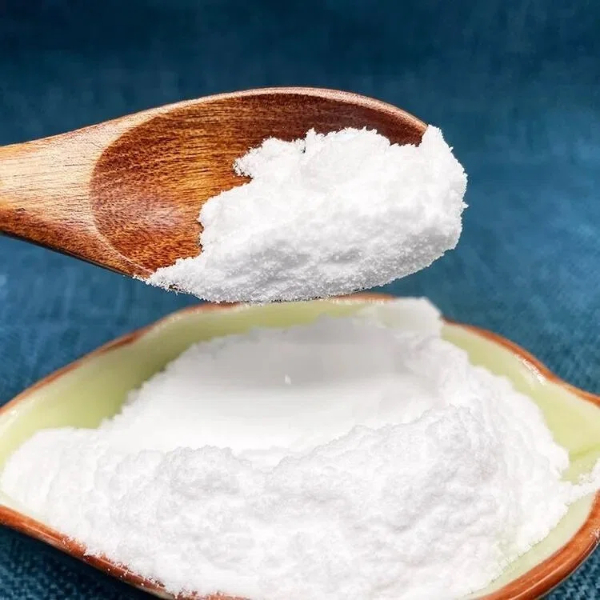
Decades of research affirm Sucralose's safety, with an ADI of 5 mg/kg body weight—equivalent to 23 Splenda packets daily for a 150-pound adult. Sucralose exhibits no genotoxicity, carcinogenicity, or teratogenicity in animal and human studies spanning 110 weeks. Its non-fermentable nature prevents dental caries, positioning Sucralose as a cavity-safe alternative in oral care products.
Clinical trials demonstrate Sucralose does not elevate blood glucose or insulin levels, earning endorsements from the American Diabetes Association. Sucralose supports weight loss by displacing caloric sugars, with meta-analyses showing reduced BMI in regular users. Gut microbiome studies reveal minimal disruption at typical doses, countering early rodent concerns irrelevant to humans due to metabolic differences.
Pregnant women and children safely consume Sucralose within limits, as placental transfer proves negligible. Athletes favor Sucralose in sports drinks for hydration without glycemic spikes. For healthcare formulations, Sucralose masks bitterness in chewables and lozenges, improving compliance in pediatric vitamins.
Beverage formulators prize Sucralose for its clarity and stability under carbonation pressures, enabling zero-sugar colas and energy drinks. Sucralose withstands UHT processing, preserving sweetness in plant-based milks and flavored waters. Pairing Sucralose with natural flavors amplifies tropical profiles in ready-to-drink teas.
In bakery, Sucralose replicates sugar's tenderizing effects when combined with polyols, yielding moist muffins and chewy cookies. Confectioners use Sucralose in hard candies and gummies, where it resists crystallization. Dairy producers sweeten frozen yogurts with Sucralose, achieving creaminess without lactose spikes.
Your factory's expertise shines in custom Sucralose blends for international clients, developing low-glycemic syrups for healthcare shakes. Sucralose integrates seamlessly with functional fibers like FOS, boosting prebiotic claims in bars and powders. OEM tablet lines benefit from Sucralose's compressibility, producing stackable supplements for export markets.
Hybrid sweeteners merge Sucralose with stevia glycosides, mitigating aftertastes for a rounded profile. Sucralose-stevia ratios of 70:30 optimize beverages, as seen in emerging clean-label sodas. Polyol-Sucralose mixes, like erythritol-Sucralose, mimic granulated sugar for 1:1 baking, ideal for keto products.
Encapsulation technology prolongs Sucralose release in extruded cereals and pet treats, extending shelf life. Pharmaceutical grades of Sucralose meet USP standards for syrups and effervescents. Innovations like Sucralose nanofibers enhance solubility in fat-based spreads, opening doors for low-cal chocolates.
Factories specializing in natural sweeteners can innovate Sucralose-fiber tablets, combining soluble fibers with Sucralose for sustained energy release. These ODM solutions target weight management, aligning with global health regulations emphasizing reduced sugars.
Sucralose synthesis demands specialized reactors for chlorination, purification, and drying, with yields exceeding 90% in modern plants. Tate & Lyle's U.S. facilities produce Splenda-grade Sucralose, adhering to HACCP and ISO 22000 standards. Asian suppliers scale Sucralose output to meet booming demand from beverage giants.
Supply chain resilience ensures Sucralose availability amid disruptions, with stockpiles supporting OEM runs. Your production capabilities position you to mix Sucralose with steviol glycosides and polydextrose for premium blends. Traceability from sucrose feedstock to finished Sucralose guarantees authenticity for export certifications.
The FDA's GRAS status for Sucralose permits unlimited use in non-alcoholic beverages and up to 0.03% in tabletop sweeteners like Splenda. EU regulations cap Sucralose at quantum satis, while China's NHC approves Sucralose for 47 food categories. Harmonized Codex standards facilitate Sucralose trade across borders.
Labeling requires Sucralose declaration in ingredients, with nutrition facts reflecting zero calories. Post-market monitoring by WHO confirms Sucralose's safety profile remains robust.
| Sweetener | Sweetness (x Sugar) | Calories per g | Heat Stability | Glycemic Index |
|---|---|---|---|---|
| Sucralose (Splenda) | 600 | 0 | Excellent | 0 |
| Aspartame | 200 | 4 | Poor | 0 |
| Stevia | 300 | 0 | Good | 0 |
| Monk Fruit | 250 | 0 | Good | 0 |
| Erythritol | 0.7 | 0.2 | Excellent | 1 |
Sucralose leads in versatility and taste synergy.
Consumers overwhelmingly prefer Sucralose for its sugar-like profile, with 80% satisfaction in taste tests. Social campaigns educate on Sucralose safety, dispelling myths from outdated studies. Demand surges for Sucralose in plant-based and functional foods.
Food factories leverage Sucralose in high-shear mixers for homogeneous blends, scaling to tons for beverage syrups. Tablet presses handle Sucralose lubrication, yielding durable nutraceuticals. Your ODM services excel in Sucralose-polyol-fiber combos for global healthcare exports.
Sucralose innovations like biotech-derived variants promise purer profiles. Market forecasts predict 7% CAGR through 2030, driven by obesity trends. Splenda's Sucralose core ensures enduring relevance.
Sucralose undeniably anchors Splenda as a pinnacle of sugar alternatives, blending safety, versatility, and performance across applications. From chemistry to consumer shelves, Sucralose empowers healthier formulations without taste trade-offs. For factories focused on natural sweeteners, polyols, and fibers, Sucralose opens OEM/ODM avenues in functional foods, beverages, and healthcare, delivering innovative solutions for international manufacturers.
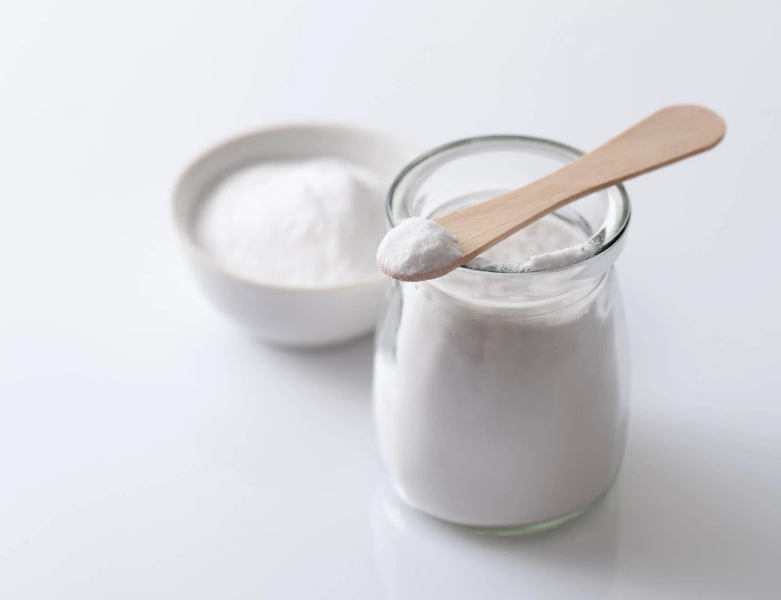
Yes, Sucralose provides the core sweetness in Splenda at around 1.1% concentration, bulked with maltodextrin and dextrose for usability.
Sucralose holds FDA approval with a generous ADI, supported by extensive toxicology data confirming safety for all populations.
Sucralose's superior heat stability makes Splenda reliable for high-temperature baking, preserving sweetness and structure.
Splenda Original centers on Sucralose, augmented by bulking agents; specialty lines blend Sucralose with natural options.
Sucralose delivers 600 times sugar's sweetness at zero calories, ideal for calorie-controlled diets and diabetes management.


