
Views: 222 Author: Sara Publish Time: 2026-01-04 Origin: Site


Content Menu
● Sucralose Origins and Discovery
● Chemical Classification of Sucralose
● Sucralose vs. Natural Sugars
● Production Process of Sucralose
● Applications in Food and Beverages
● Sucralose in Healthcare and Pharma
● Safety and Regulatory Approval of Sucralose
● Health Benefits of Sucralose
● Potential Concerns and Myths
● Sucralose in Blends and Innovations
● Future of Sucralose Technology
● FAQ
>> 1. Is Sucralose Safe for Daily Use?
>> 2. Does Sucralose Raise Blood Sugar?
>> 3. Can Sucralose Be Used in Baking?
>> 4. Is Sucralose Natural or Artificial?
>> 5. How Does Sucralose Compare to Stevia?
Sucralose stands out as a widely used sweetener in the food, beverage, and healthcare industries, particularly for those seeking low-calorie alternatives. Determining whether sucralose qualifies as an artificial sugar involves a deep dive into its chemical origins, manufacturing process, metabolic effects, and regulatory status.[1][2]
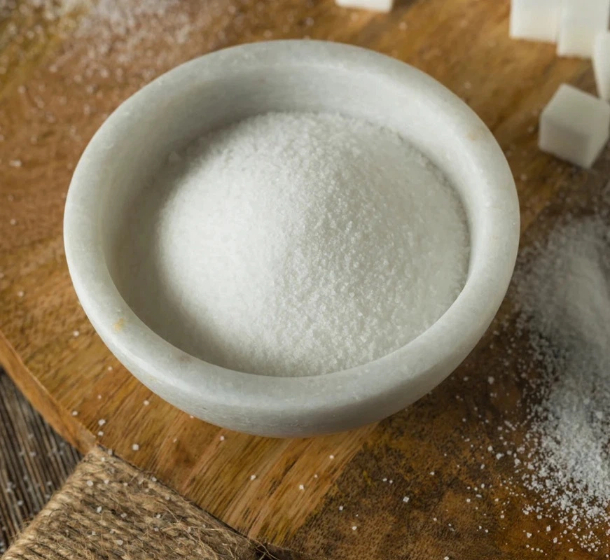
Sucralose's story begins in the 1970s at Queen Elizabeth College in London, where researchers aimed to create new insecticides from sugar derivatives. In 1976, a pivotal moment occurred when a graduate student, Shashikant Phadnis, misheard "test this" as "taste this" and sampled the compound, discovering its remarkable sweetness—about 600 times that of sucrose. This serendipitous event led to the development of sucralose, chemically known as 1,6-dichloro-1,6-dideoxyfructose-4-chloro-4-deoxygalactose.[2][3][1]
Sucralose starts as sucrose, the common table sugar extracted from sugarcane or sugar beets, a natural disaccharide composed of glucose and fructose. Through a patented chlorination process, three hydroxyl (-OH) groups in sucrose are replaced with chlorine atoms at specific positions: the 4-position on the glucose unit and the 1- and 6-positions on the fructose unit. This modification fundamentally alters sucralose's properties, making it non-caloric and intensely sweet. Despite its sucrose base, the synthetic chlorination step renders sucralose an artificial sweetener, as it does not occur naturally in significant amounts.[3][4][1][2]
The discovery of sucralose spurred decades of research, leading to its commercialization by Tate & Lyle and McNeil Nutritionals under the brand Splenda in 1998. Sucralose's journey from lab curiosity to global staple highlights how targeted chemical engineering can transform a natural molecule into a powerhouse for health-conscious products.[1]
Classifying sucralose requires distinguishing it from natural sugars and other sweeteners. Natural sugars, such as sucrose, glucose, and fructose, are carbohydrates that the body metabolizes for energy, providing approximately 4 calories per gram. Sucralose, however, belongs to the category of high-intensity, non-nutritive sweeteners, which deliver sweetness without calories.[4][5]
Regulatory agencies worldwide categorize sucralose as artificial due to its laboratory synthesis. The U.S. Food and Drug Administration (FDA) approved sucralose in 1998, granting it Generally Recognized as Safe (GRAS) status and an Acceptable Daily Intake (ADI) of 5 mg/kg body weight. The European Food Safety Authority (EFSA) lists it as E955 with a higher ADI of 15 mg/kg. Sucralose's chlorine atoms prevent enzymatic breakdown by sucrase-isomaltase in the gut, ensuring over 85% passes through the body unchanged and is excreted in feces.[5][3][4][1]
Unlike truly artificial sweeteners like saccharin or aspartame, which have non-sugar backbones, sucralose is a chlorinated sucrose derivative. This positions it in a unique subcategory of artificial sweeteners derived from natural sugars, but its man-made alterations confirm its artificial status.[2][1]
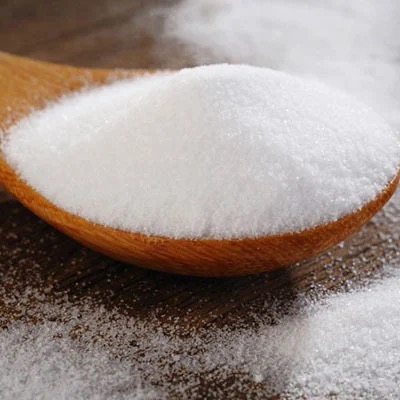
Comparing sucralose to natural sugars reveals stark differences in structure, taste, and physiological impact. Sucrose breaks down into glucose and fructose, raising blood sugar levels and contributing calories. Sucralose, with its chlorine substitutions, binds to sweet taste receptors (T1R2/T1R3) on the tongue but resists digestion, offering zero glycemic response.[5][2]
| Aspect | Sucralose | Sucrose (Natural Sugar) |
|---|---|---|
| Source | Chemically modified sucrose | Sugarcane/beets |
| Sweetness Intensity | 600 times sweeter than sugar | Baseline (1x) |
| Calories per Gram | 0 | 4 |
| Digestion | 85%+ excreted unchanged | Fully metabolized to glucose/fructose |
| Heat Stability | Up to 200°C, acid/alkali resistant | Decomposes above 160°C |
| Glycemic Impact | None | Raises blood glucose |
This table illustrates why sucralose serves as an effective sugar replacement in low-carb and diabetic diets. Sucralose's clean, sucrose-like taste without bitter aftertaste further differentiates it from other artificial options like acesulfame-K.[4][1]
Producing sucralose involves a complex, multi-stage chemical synthesis starting with food-grade sucrose. The process, developed by Tate & Lyle, includes selective chlorination using reagents like phosgene or triphosgene under anhydrous conditions to target specific hydroxyl groups. Yields are optimized to 20-30%, with rigorous purification via chromatography and crystallization to achieve 99.5%+ purity.[1]
Industrial-scale production occurs in facilities worldwide, including leading Chinese factories that specialize in sucralose for export. These plants integrate sucralose into blended sweeteners with functional polyols like erythritol and dietary fibers such as inulin, offering OEM/ODM services for tablet pressing and custom formulations. Wastewater management addresses chlorine byproducts, ensuring environmental compliance.[6][7]
Sucralose powder is often granulated with bulking agents like maltodextrin or polydextrose for table-top use, enhancing volume and solubility. This scalability supports its use in massive volumes for beverages and pharmaceuticals.[4]
Sucralose's versatility shines in food and beverage applications, where it replaces sugar to cut calories by up to 100%. In soft drinks, concentrations of 300-400 mg/L provide full sweetness in zero-sugar colas, sports drinks, and flavored waters. Its heat stability enables baking in cookies, cakes, and breads without sweetness loss.[1]
Beverage manufacturers blend sucralose with natural flavors for mouthfeel, often combining it with acesulfame potassium for synergy. In dairy products like yogurt and ice cream, sucralose maintains creaminess while reducing sugar content. Confectionery benefits from sucralose's non-cariogenic properties, preventing tooth decay in gums and hard candies.[3][4]
Chinese factories excel in developing sucralose-based mixtures for international clients, incorporating polyols for bulking and fibers for gut health claims. These innovations cater to the growing demand for clean-label, low-glycemic products.[8][6]
In healthcare, sucralose enhances palatability of oral medications, syrups, and chewable tablets, especially for children and the elderly. Its stability in aqueous solutions and lack of fermentation make it ideal for cough syrups and vitamin supplements. Pharmaceutical OEM services from specialized factories produce sucralose-coated tablets that dissolve quickly without bitterness.[3][5]
Clinical applications include diabetic formulations, where sucralose avoids insulin spikes. Nutraceuticals blend sucralose with prebiotic fibers for weight management gummies. Sucralose's inert nature ensures compatibility with active ingredients, broadening its pharma footprint.[7][1]
Sucralose underwent over 110 safety studies involving more than 100 animal species before approval, covering genotoxicity, carcinogenicity, neurotoxicity, and reproductive effects—all negative. Long-term human trials confirm no adverse impacts at typical intakes, far below ADI levels. The Joint FAO/WHO Expert Committee on Food Additives (JECFA) endorses its safety.[5][4][1]
Recent scrutiny, including WHO reviews, examined potential gut microbiome alterations from high doses, but real-world consumption poses no risk. Sucralose does not bioaccumulate, with chlorine atoms safely excreted. Global approvals span 100+ countries, affirming sucralose as one of the most studied food additives.[2][3]
Sucralose supports weight loss by enabling calorie reduction without sacrificing taste. Studies show consumers using sucralose-sweetened products maintain lower body weights. For diabetes management, its zero glycemic index prevents blood sugar fluctuations. Dental benefits arise from non-fermentability, reducing plaque acids. Athletes favor sucralose in hydration drinks for energy without carbs.[2][3][4][5]
Myths persist, such as sucralose causing cancer or migraines, debunked by meta-analyses. High-dose animal studies showed minor gut changes, irrelevant to human doses. Baking concerns about toxic breakdown are unfounded; sucralose remains stable up to 250°C. Moderation ensures benefits outweigh rare sensitivities.[3][4][5][1]
Blending sucralose with sugar alcohols like maltitol or fibers like oligofructose creates synergistic sweetness with improved texture. Chinese providers offer custom sucralose blends for OEM tablet production, targeting export markets. Innovations include sucralose-allulose mixes mimicking sugar's bulk and browning.[6][7][8]
The sucralose market grows at 5-7% CAGR, fueled by anti-obesity trends and clean-label demands. China dominates production, supplying 80% globally. Brands like Splenda lead, with sucralose in 5,000+ products.[6][4][1]
Emerging tech like enzymatic synthesis reduces chemical inputs, enhancing sustainability. Microencapsulated sucralose improves solubility for ultra-low-calorie beverages. Blends with rare sugars position sucralose for next-gen health solutions.[7][8]
Sucralose is unequivocally an artificial sugar, derived from sucrose through synthetic chlorination that eliminates calories while amplifying sweetness 600-fold. Its proven safety, stability, and versatility make it essential for food, beverage, and healthcare innovations, especially in blended OEM/ODM products from specialized factories. As demand for healthy sweeteners rises, sucralose remains a cornerstone for global manufacturers.[4][1][2]
Yes, sucralose is safe within ADI limits (5-15 mg/kg body weight), backed by over 110 studies showing no toxicity.[5][1]
No, sucralose has a glycemic index of zero, making it suitable for diabetics and low-carb diets.[4][5]
Yes, sucralose is heat-stable up to 200°C, ideal for cooking and processed foods.[1][2]
Sucralose is artificial, as it requires chemical modification of natural sucrose.[3][1]
Sucralose provides a cleaner taste and superior stability, often blended with stevia for optimal profiles.[8][4]
[1](https://en.wikipedia.org/wiki/Sucralose)
[2](https://www.healthline.com/nutrition/sucralose-good-or-bad)
[3](https://pmc.ncbi.nlm.nih.gov/articles/PMC10971371/)
[4](https://www.webmd.com/diet/what-to-know-about-sucralose)
[5](https://www.health.com/sucralose-7496152)
[6](https://pdf.dfcfw.com/pdf/h3_ap202307031591987221_1.pdf)
[7](https://notice.10jqka.com.cn/api/pdf/b184abf958128f94.pdf)
[8](https://pdf.dfcfw.com/pdf/H3_AP202412131641289648_1.pdf)


