
Views: 222 Author: Sara Publish Time: 2025-11-09 Origin: Site


Content Menu
● Sweetness, calories, and metabolism
● Applications in foods and beverages
● Safety, tolerability, and regulatory considerations
● Flavor and mouthfeel considerations
● Formulation strategies for OEM/ODM clients
● Integration into clean-label and health-focused narratives
● Case studies and practical examples
● Quality control and production considerations
● FAQ
>> 1. What is Sorbitol and how does it differ from Aspartame?
>> 2. Can Sorbitol be used together with Aspartame in the same product?
>> 3. Are there safety concerns with Sorbitol for general consumers?
>> 4. What are the regulatory labeling considerations for Sorbitol in international markets?
>> 5. How can Sorbitol be integrated into OEM/ODM sweetener blends for overseas manufacturers?
In today's health-conscious market, beverage developers, snack manufacturers, and dietary supplement brands continually seek sweetening solutions that balance taste, calories, texture, and regulatory compliance. Sorbitol and aspartame represent two widely used categories of sweeteners, yet they belong to different families and serve distinct roles in product formulations. This article examines what Sorbitol is, what Aspartame is, how they differ in sweetness, calories, metabolism, safety considerations, and practical implications for foreign manufacturers exploring Sorbitol-centered blends, functional polyols, and OEM/ODM services. The discussion places Sorbitol at the center of formulation strategies and highlights its relevance for clean-label projects and overseas production partnerships. Throughout, Sorbitol is treated not merely as a substitute for sugar but as a functional ingredient that can contribute to texture, moisture retention, and mouthfeel when integrated with dietary fibers and other health-focused components.
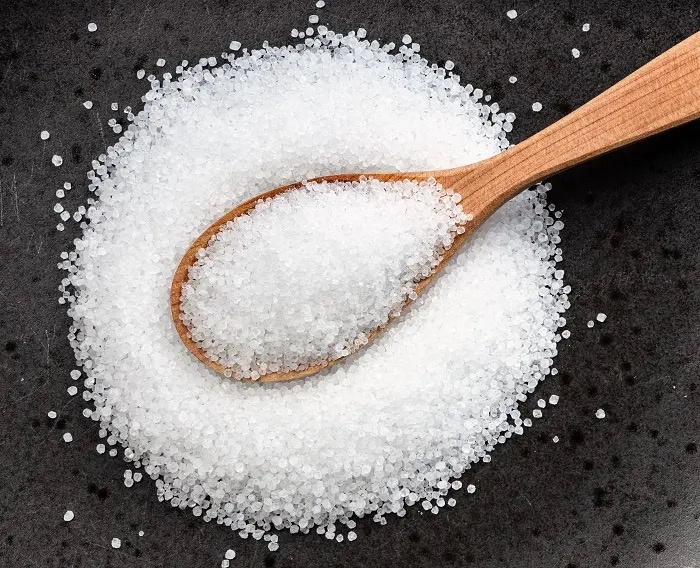
Sorbitol is a sugar alcohol (polyol) derived from glucose and widely used as a nutritive sweetener. It provides roughly 2.6 kcal per gram, about 60–70% of the sweetness of sucrose, and offers humectant properties that help retain moisture in finished products. Sorbitol is valued in chewing gums, sugar-free confections, baked goods, and oral-care products for its ability to impart sweetness while contributing to texture and stability. In the context of OEM/ODM, Sorbitol serves as an enabling ingredient that supports tablet compression, controlled-release formulations, and multi-ingredient blends that align with health-oriented positioning. While it adds calories, the controlled usage enables formulation designers to achieve sugar-reduction targets without sacrificing product quality. Its metabolism tends to be slower than simple sugars, resulting in a lower immediate impact on blood glucose, which is an important consideration for certain health-focused markets. Finally, Sorbitol's role as a humectant can improve product quality by reducing moisture migration and staling, particularly in low-moisture systems.
Aspartame is a non-nutritive artificial sweetener that is approximately 200 times sweeter than sucrose and provides negligible calories at typical usage levels. Common brand names include Equal and NutraSweet. Aspartame is widely used in diet beverages, sugar-free desserts, and tabletop sweeteners, often in combination with bulking agents to achieve desired texture and volume. Its stability profile is pH- and temperature-dependent; aspartame can degrade under heat or excessive processing, which constrains its use in some baked or hot-fill products. Additionally, because aspartame contains phenylalanine, people with phenylketonuria (PKU) must avoid it. For OEM/ODM projects targeting overseas markets, understanding stability, labeling, and PKU considerations is essential when choosing Aspartame-containing formulations.
- Sorbitol: The sweetness of Sorbitol is typically 60–70% that of sucrose on a weight basis, with caloric content around 2.6 kcal/g. It provides bulk, texture, and a moderate sweetness level, making it suitable for sugar-reduction strategies and formulations requiring hygroscopic properties. Sorbitol's slower digestion compared to sucrose means a lower immediate glycemic response, but excessive intake can cause digestive discomfort for some individuals, especially in sensitive populations. In OEM/ODM contexts, Sorbitol helps to achieve a palatable mouthfeel while supporting dietary fiber blends and clean-label claims.
- Aspartame: Aspartame is roughly 200 times sweeter than sucrose and is effectively calorie-free at typical usage levels, which makes it a preferred choice for very low-calorie beverages and foods. Its intensity allows manufacturers to reduce sugar content dramatically; however, the need for careful formulation arises from potential aftertaste, stability constraints, and PKU considerations. In product development, Aspartame is commonly used in tandem with bulking agents or polyols to achieve the right body and texture in the final product.
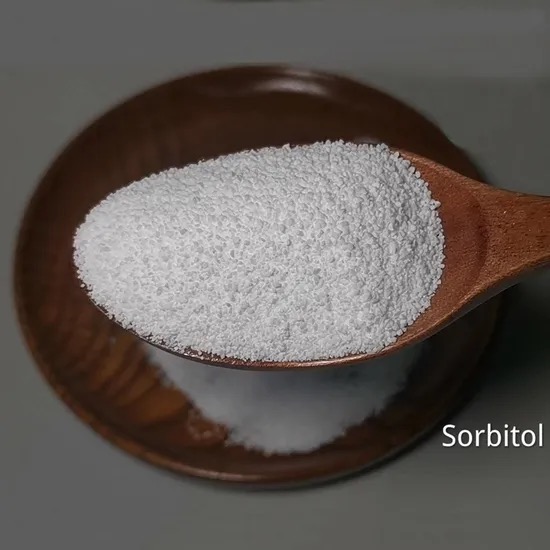
- Sorbitol: As a nutritive sweetener with humectant properties, Sorbitol is widely used in sugar-free gums, confectionery, toothpaste, baked goods, and some dietary supplements. Its moisture-retaining capability helps extend shelf life and improve texture in low-moisture matrices. In OEM/ODM engagements, Sorbitol supports blend formulations with dietary fibers or other natural sweeteners to deliver functional benefits such as controlled-release profiles, texture optimization, and label-friendly ingredients.
- Aspartame: Aspartame is used across many products where low-calorie, high-sweetness profiles are desired, including carbonated beverages, dairy products, desserts, and chewing gums. It is often paired with other sweeteners to modulate flavor notes and improve stability across processing conditions. For overseas manufacturing partnerships, understanding product-specific stability and regulatory labeling is critical when designing Aspartame-containing solutions.
- Digestive tolerance: Sorbitol can cause laxative effects or gas when consumed in substantial amounts, particularly in individuals with sensitive digestion or in products consumed in large portions. This tolerance profile is essential when designing portion-controlled products for international markets.
- PKU considerations: Aspartame contains phenylalanine, so individuals with PKU must avoid it. Regulatory labeling in many regions requires appropriate warnings or ingredient disclosures to address this concern.
- Regulatory landscape: Regulatory agencies around the world provide guidance on permissible daily intakes, labeling requirements, and usage limitations for polyols and artificial sweeteners. For Sorbitol, labeling often emphasizes carbohydrate content and potential laxative effects at high doses; for Aspartame, labeling highlights the phenylalanine content and suitability for certain consumer groups. OEM/ODM teams should align with local regulatory frameworks to ensure compliance in target export markets.
- Sorbitol contributes to mouthfeel through its bulking and humectant properties. In blends with dietary fibers and natural sweeteners, Sorbitol can help mimic sucrose-like texture while reducing total sugar content. Its moderate sweetness may require complementary sweeteners or flavor enhancers to achieve a balanced taste profile across diverse product formats.
- Aspartame delivers a clean, sugar-like sweetness with minimal aftertaste in many cases, but its taste can be influenced by the food matrix. In formulations where longer shelf life or heating is involved, Aspartame stability must be managed, often with stabilizers or alternative sweeteners to preserve sweetness and mouthfeel.
- Ingredient sourcing and quality: Ensure GMP-grade Sorbitol and high-purity Aspartame inputs, with clear specification sheets, certificates of analysis, and batch traceability. For overseas manufacturers, establishing reliable supply chains and consistent quality is critical to maintaining product integrity.
- Blending with fibers and bioactive ingredients: Sorbitol blends well with dietary fibers, plant extracts, and functional polyols to deliver health-oriented products. OEM/ODM teams can develop customized blends that support label claims (e.g., sugar reduction, low glycemic index) while delivering acceptable taste and texture.
- Regulatory documentation: Prepare comprehensive product dossiers, labeling templates, and compliance materials for export markets. This includes allergen declarations, PKU considerations for Aspartame, and health claim substantiation where applicable.
- Sorbitol: nutritive polyol, ~2.6 kcal/g, ~60–70% sweetness of sugar, humectant, texture modifier, slight laxative potential at high intake.
- Aspartame: non-nutritive sweetener, ~0 kcal at typical use, ~200x sweeter than sugar, suitability considerations for PKU, stability constraints with heat.
- For overseas manufacturers, Sorbitol-centered formulations align with clean-label trends when combined with natural fibers and minimally processed ingredients. Highlight Sorbitol's role in moisture retention, texture, and sugar reduction without sacrificing product quality. In OEM/ODM projects, emphasize the ability to deliver turnkey blends that couple Sorbitol with dietary fibers, natural flavors, and plant-based carriers to meet export market expectations.
- Case A: Sugar-free gum with Sorbitol-based bulk and fiber-enhanced texture, marketed to health-conscious consumers in international markets. Demonstrates stable texture over shelf life, controlled sweetness, and reduced sugar content without compromising mouthfeel.
- Case B: Low-sugar beverage using Sorbitol as a humectant and bulking agent within a fiber-enriched matrix, achieving a clean-label claim while providing stability in transport and storage.
- Case C: Diet dessert mix incorporating Aspartame for high-intensity sweetness, balanced with polyols to achieve desired body and melt-in-mouth characteristics, suitable for distribution through OEM/ODM channels.
- Sensory evaluation: Implement panel testing to optimize the Sorbitol-based sweetness profile within each product matrix and adjust with complementary sweeteners or flavor modulators as needed.
- Stability testing: Assess Sorbitol-containing formulations under varying temperatures, humidity levels, and storage durations to ensure consistent texture and shelf life. For Aspartame-containing products, evaluate stability across pH and processing conditions to preserve sweetness.
- Compliance checks: Align with international standards for labeling, nutrition facts, and any health claims. Ensure PKU-related labeling for Aspartame and clear lactose-free or vegan designations where relevant.
Sorbitol and Aspartame occupy distinct niches within the global sweetener landscape. Sorbitol serves as a nutritive polyol that supports texture, moisture retention, and partial sugar replacement, making it especially valuable for OEM/ODM projects involving dietary fibers and health-oriented blends. Aspartame offers high-intensity sweetness with minimal calories, suitable for products where intense sweetness and low caloric impact are priorities, provided stability and PKU considerations are appropriately managed. For Chinese manufacturers exporting to overseas markets, integrating Sorbitol-centered formulations with dietary fibers and other natural ingredients can strengthen clean-label appeal, improve mouthfeel, and support regulatory compliance. The central theme remains Sorbitol as a versatile, multifunctional ingredient that can unlock new opportunities in health-focused product development and international partnerships.
Sorbitol is a nutritive sugar alcohol that provides calories and offers bulking and humectant properties, while Aspartame is a non-nutritive artificial sweetener with very high sweetness and negligible calories. Sorbitol contributes to texture and moisture, whereas Aspartame is mainly used to achieve intense sweetness in low-calorie formulations.
Yes. Sorbitol can be blended with Aspartame to balance sweetness, improve mouthfeel, and regulate texture. The compatibility and sensory outcome depend on the product matrix, processing conditions, and regulatory labeling requirements.
Sorbitol is generally recognized as safe when used within established guidelines, but high intakes may cause laxative effects or gastrointestinal discomfort in some individuals.
Labeling typically requires disclosure of carbohydrate content and may note potential laxative effects at high doses. For Aspartame, labeling must include phenylalanine content due to PKU considerations. Regulatory requirements vary by country and sector (beverage, food, or supplement).
Sorbitol can be combined with dietary fibers, other polyols, and mild-flavor profiles to create clean-label, sugar-reduced products. OEM/ODM services can provide turnkey formulations, batch testing, and regulatory-compliant labeling to meet the needs of international customers.
[1](https://www.echemi.com/cms/1577531.html)
[2](https://nutritionsource.hsph.harvard.edu/healthy-drinks/artificial-sweeteners/)
[3](https://pmc.ncbi.nlm.nih.gov/articles/PMC12470175/)
[4](https://www.fda.gov/food/food-additives-petitions/aspartame-and-other-sweeteners-food)
[5](https://www.mayoclinic.org/healthy-lifestyle/nutrition-and-healthy-eating/in-depth/artificial-sweeteners/art-20046936)
[6](https://www.nhs.uk/live-well/eat-well/food-types/are-sweeteners-safe/)
[7](https://www.peacehealth.org/medical-topics/id/abj7112)
[8](https://pmc.ncbi.nlm.nih.gov/articles/PMC6236052/)
[9](https://health.clevelandclinic.org/whats-worse-sugar-or-artificial-sweetener)


