
Views: 222 Author: Sara Publish Time: 2025-10-02 Origin: Site


Content Menu
● Does Saccharin Raise Blood Sugar?
>> Direct Impact on Blood Sugar
>> Indirect Effects via Gut Microbiota
>> The Sweet Taste and Insulin Response Hypothesis
● Is Saccharin Safe for People with Diabetes?
● Safety and Regulatory Status
● New Insights from Recent Research
● Practical Tips for Using Saccharin Wisely
● Saccharin Compared to Other Sweeteners
● FAQ
>> 1. Does saccharin increase blood sugar immediately after consumption?
>> 2. Can saccharin trigger an insulin response?
>> 3. Is saccharin safe for people with diabetes?
>> 4. Are there any long-term health risks associated with saccharin?
>> 5. How does saccharin compare to other artificial sweeteners regarding blood sugar?
Saccharin is one of the oldest artificial sweeteners in use today, discovered more than a century ago. Its intense sweetness, approximately 300 to 400 times that of regular table sugar (sucrose), allows it to be used in very small amounts to sweeten food and beverages without adding calories or carbohydrates. Because of this, saccharin has become a popular choice for individuals seeking to reduce sugar intake, including those managing diabetes or watching their calorie consumption. Found in products such as diet sodas, sugar-free gums, candies, and tabletop sweeteners like Sweet'N Low, it has become a staple in the arena of sugar substitutes.
One of the most frequently asked questions about saccharin concerns its effect on blood sugar levels. This article delves into scientific research regarding saccharin's impact on glucose metabolism, the safety of saccharin particularly for people with diabetes, and practical advice for its consumption. By exploring recent studies, regulatory perspectives, and metabolic insights, this article aims to clarify whether saccharin raises blood sugar and to what extent it is a safe sugar alternative.
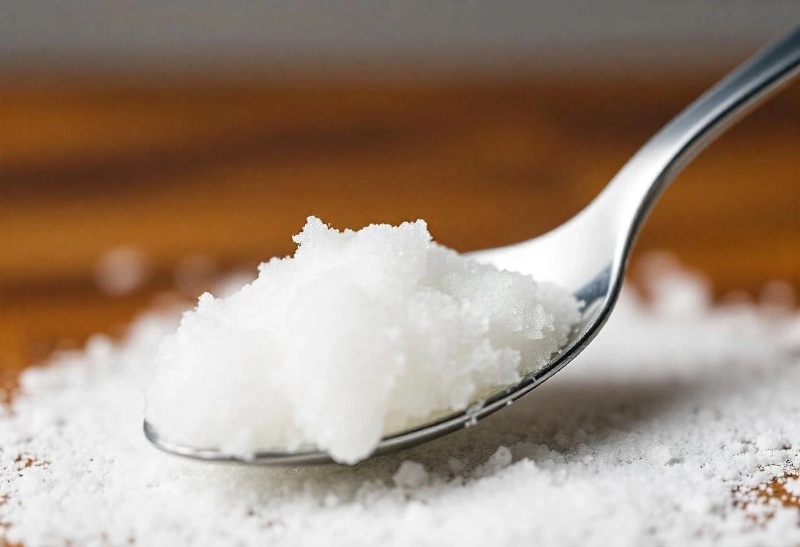
Saccharin is a synthetic, non-nutritive sweetener that provides sweetness without the calories or carbohydrates associated with sugar. Because it is not metabolized by the body, saccharin passes through the digestive system largely unchanged, contributing no energy or glucose to the bloodstream. This property makes saccharin an attractive option for reducing caloric intake and preventing increases in blood glucose levels.
Saccharin is widely used in various products, including but not limited to:
- Diet sodas and low-calorie beverages
- Sugar-free chewing gum and candy
- Tabletop sweetener packets
- Certain pharmaceuticals and dental products
Its main appeal is its ability to maintain sweetness in foods and drinks without the metabolic consequences linked to traditional sugars.
The bulk of scientific evidence indicates that saccharin does not directly cause an increase in blood sugar levels. Since saccharin contains no carbohydrates and is calorie-free, it does not contribute glucose to the blood the way sugar does. Human studies involving acute consumption of saccharin show no significant increase in blood glucose levels, unlike sucrose, which triggers noticeable rises shortly after intake.
Moreover, tests measuring insulin—the hormone responsible for regulating blood glucose—demonstrate that saccharin generally causes only a minimal insulin response, if any. This suggests that saccharin's sweet taste does not provoke a strong metabolic reaction through insulin secretion.
While saccharin does not raise blood sugar directly, some animal and limited human studies suggest that its impact on gut bacteria may indirectly influence glucose metabolism. For example, a 2022 study showed that participants consuming saccharin experienced changes in their gut microbiome, accompanied by a steeper blood glucose response compared to controls. The altered gut bacterial profile caused differences in metabolic products, including some amino acids linked to diabetes patterns in humans.
Animal models reinforce these findings: rats given saccharin exhibited higher fasting blood glucose levels compared to controls. However, unlike rats fed a high fructose diet, saccharin-fed rats did not develop insulin resistance, elevated insulin secretion, triglycerides, or fatty liver—key components of metabolic syndrome.
This suggests that although saccharin may cause mild elevations in fasting glucose, it does not induce the broader metabolic dysfunction associated with traditional sugars like fructose.
Some researchers have proposed that the sweet taste of saccharin might signal the brain to anticipate sugar intake, possibly triggering minor insulin release despite the absence of actual glucose. However, existing evidence indicates that any insulin secretion caused by saccharin's sweetness is minor and has no significant effect on overall blood sugar control.
Given the absence of direct glycemic impact, saccharin is generally considered safe for individuals with diabetes and is recognized by organizations such as the American Diabetes Association as a useful tool to reduce sugar consumption.
Still, it is important for diabetic individuals to monitor how their blood sugar responds when introducing saccharin or any artificial sweetener into their diet. Individual metabolic responses can vary, and some people may experience atypical effects. Maintaining a balanced diet and consulting healthcare providers about sweetener use remains the best practice.

Saccharin has undergone extensive safety scrutiny since the 1970s, when early animal studies suggested a possible cancer risk. These findings initially led to bans and warning labels. However, subsequent research found no clear evidence linking saccharin to cancer in humans. By 2000, the U.S. Food and Drug Administration (FDA) removed warning labels, officially recognizing saccharin as safe.
Today, saccharin is approved for consumption globally, including by the FDA and the European Food Safety Authority (EFSA). It remains one of five artificial sweeteners sanctioned for food use in many countries.
More recent studies continue to clarify saccharin's health effects. For example, a 2018 animal study compared saccharin and high fructose diets in rats, showing that while both diets increased fasting blood glucose, only the high fructose diet induced elevated insulin secretion, triglycerides, insulin resistance, and fatty liver disease. Saccharin-fed rats had elevated glucose but no metabolic syndrome symptoms.
A 2021 study with healthy adult human participants, administering the maximum recommended daily dose of saccharin, found no changes in gut microbiome or metabolic profiles over two weeks. These results suggest that in healthy adults, saccharin does not contribute to diabetes development or adverse metabolic effects, even at high doses.
These findings emphasize that saccharin's influence on blood sugar is complex and likely modest, especially when compared to sugar and other carbohydrates.
- Use saccharin in moderation, as excessive intake may have unknown long-term effects, particularly on gut microbiota.
- Monitor blood sugar and overall metabolic health if diabetic or prediabetic when incorporating saccharin.
- Alternate between different approved artificial sweeteners to minimize potential impacts on gut bacterial diversity.
- Carefully read product labels for saccharin content, especially if sensitive or allergic to sweeteners.
- Maintain a healthy overall diet for optimal metabolic function, rather than relying solely on artificial sweeteners.
| Sweetener | Raises Blood Sugar? | Calories | Common Uses | Notes |
|---|---|---|---|---|
| Saccharin | No (directly) | 0 | Diet sodas, tabletop sweetener | Possible effects on gut microbiota |
| Stevia | No | 0 | Natural sweetener | Generally regarded as safe |
| Sucralose | No (directly) | 0 | Baking, beverages | Some evidence of gut effects |
| Aspartame | No | 4 kcal/g | Soft drinks, sweets | Avoid in phenylketonuria |
| Sugar (Sucrose) | Yes | 4 kcal/g | Sweetening food/drinks | Raises blood sugar significantly |
Saccharin does not directly raise blood sugar because it contains no carbohydrates or calories, making it a valuable sugar substitute, particularly for those with diabetes. Although animal studies show some increase in fasting blood glucose and alterations in gut microbiota, saccharin does not appear to cause insulin resistance, fatty liver, or other components of metabolic syndrome. Human studies, including those using high doses, support that saccharin is metabolically safe for healthy adults and people with diabetes when consumed in moderation.
Regulatory bodies worldwide accept saccharin as safe, and it remains a useful tool for reducing sugar intake. Individuals with diabetes should monitor their blood sugar response to saccharin and maintain balanced, healthful diets for optimal metabolic health.

No, saccharin does not cause an immediate rise in blood sugar because it is not metabolized into glucose.
Saccharin's sweet taste may prompt a minimal insulin release, but the effect is usually too small to affect blood sugar levels meaningfully.
Yes, saccharin is generally safe for diabetic individuals when used moderately and can help reduce overall sugar intake.
Long-term effects are not fully understood; some animal studies suggest changes in gut bacteria, but human evidence is inconclusive.
Saccharin, like stevia, sucralose, and aspartame, does not directly raise blood sugar, unlike sugar which significantly increases glucose levels.
[1](https://www.scientificamerican.com/article/some-sugar-substitutes-affect-blood-glucose-and-gut-bacteria/)
[2](https://pmc.ncbi.nlm.nih.gov/articles/PMC5872759/)
[3](https://news.osu.edu/study-high-doses-of-saccharin-dont-lead-to-diabetes-in-healthy-adults/)
[4](https://www.youtube.com/watch?v=yfqe69SY3LU)
[5](https://pmc.ncbi.nlm.nih.gov/articles/PMC11233937/)
[6](https://www.mayoclinic.org/diseases-conditions/diabetes/expert-answers/artificial-sweeteners/faq-20058038)
[7](https://www.sciencedirect.com/science/article/abs/pii/S1056872725000078)
[8](https://www.frontiersin.org/journals/nutrition/articles/10.3389/fnut.2025.1587690/epub)


