
Views: 222 Author: Sara Publish Time: 2025-11-03 Origin: Site


Content Menu
● What is a Sweetener? A quick landscape
● Mechanisms and metabolic context
>> How Sweeteners can influence metabolism
● Diabetes risk, prevention, and the role of Sweeteners
>> The diabetes perspective on artificial Sweeteners
>> Practical implications for diabetes-conscious formulations
● Blended Sweeteners in product development
>> Why blends matter in global markets
>> Formulation principles and execution
>> Beverages
>> Healthcare and dietary supplements
● Quality, safety, and OEM/ODM advantages
>> Ingredient integrity and supply chain
>> Regulatory and documentation readiness
● FAQ
>> 1. Can artificial Sweeteners cause diabetes?
>> 2. Are sugar alcohols safe for diabetics?
>> 3. Do natural Sweeteners like stevia and monk fruit affect blood sugar?
>> 4. Should individuals with diabetes avoid artificial Sweeteners?
>> 5. What should manufacturers consider when formulating diabetes-friendly Sweeteners?
Diabetes remains a global health priority, and dietary choices play a pivotal role in prevention, management, and consumer confidence. As a China-based manufacturer specializing in natural Sweeteners, functional polyols, and dietary fibers, this article examines whether artificial Sweeteners contribute to diabetes risk, and how blended Sweetener solutions can support healthier formulations for food, beverage, and healthcare applications. The discussion blends mechanistic insights, regulatory perspectives, and practical guidance for overseas manufacturers seeking robust OEM/ODM capabilities in Sweetener development, tablet production, and custom blends. The aim is to provide a balanced, evidence-informed view that helps product developers design diabetes-conscious products without compromising taste, texture, or profitability.

Sweeteners come in multiple families, each with distinct sensory profiles, caloric footprints, and metabolic implications. For clarity:
- Natural Sweeteners: plant-derived extracts such as steviol glycosides (Stevia) or mogrosides (monk fruit) that deliver high sweetness with minimal or zero calories.
- Polyols (Sugar Alcohols): including xylitol, sorbitol, maltitol, and erythritol, which offer reduced calories and lower glycemic impact than sucrose but may differ in GI tolerance and texture contribution.
- Artificial/Synthetic Sweeteners: chemically synthesized, high-intensity sweeteners that provide sweetness with little or no calories and minimal impact on blood glucose for many individuals.
- Blended Sweeteners: combinations that integrate natural Sweeteners, polyols, and dietary fibers to balance sweetness, mouthfeel, and glycemic response while enabling label-friendly, reduced-sugar products.
Sweeteners interact with energy intake, taste signaling, gut microbiota, and intestinal glucose transport in ways that vary across compound classes and individuals. For some artificial Sweeteners, concerns focus on gut microbial composition and signaling pathways that may indirectly influence glucose tolerance. Polyols contribute calories differently and can delay carbohydrate digestion, while dietary fibers modulate postprandial responses by slowing absorption and promoting satiety. When designing a product, blending these components can help achieve a target sweetness profile while supporting favorable glycemic metrics and consumer satisfaction.
A growing body of literature explores whether artificial Sweeteners cause metabolic disturbances or affect diabetes risk. Some observational studies report associations between high artificial Sweetener consumption and metabolic markers, but causality is not consistently demonstrated, and confounding dietary patterns are difficult to exclude. Randomized trials often show that moderate use of certain artificial Sweeteners does not raise post-meal glucose in people without diabetes and can aid in calorie reduction for weight management. For individuals with diabetes, most Sweeteners are considered safe within established intake limits, but responses can vary due to gut microbiota, genetics, and overall dietary context. This nuanced landscape supports a strategy: use balanced Sweetener blends tailored to the product's target market and health claims, while maintaining rigorous quality and accurate labeling.
In the clinical and public health discourse, artificial Sweeteners are often viewed as tools for calorie and carbohydrate control rather than causal agents in diabetes development. However, emerging research highlights potential subtleties: certain Sweeteners may influence appetite signals, insulin sensitivity, or gut microbiota composition in ways that could affect metabolic health in some populations. For manufacturers, the takeaway is to design products that minimize excessive intake, prioritize low-glycemic profiles, and leverage dietary fibers to enhance satiety and glycemic stability.
For products intended for people with diabetes or those managing weight, formulation strategies that combine natural Sweeteners with polyols and dietary fibers can deliver:
- Sufficient sweetness with reduced caloric load
- Improved mouthfeel and texture
- Modulated glycemic response through slower carbohydrate release
- Clear labeling that communicates health-oriented benefits

International markets increasingly demand label-friendly, reduced-sugar options. Blended Sweeteners offer a pathway to reduce sugar content while preserving taste and texture, a key consideration for beverages, confectionery, and meal-replacement products. Blending allows tunable sweetness intensity, aftertaste management, and controlled GI impact, aligning with diabetes-friendly product claims.
- Target sweetness and aftertaste: select a primary Sweetener for sweetness intensity and couple with polyols to balance mouthfeel; add dietary fibers to enhance fullness and slow absorption.
- Texture and bulk: polyols contribute body; fibers can further improve viscosity and satiety without added sugars.
- Label clarity: blends should be represented transparently on labels to help consumers understand reduced sugar content and potential GI considerations.
- Regulatory alignment: ensure each Sweetener component complies with target-market regulations, including permissible daily intakes and labeling requirements.
Low-sugar or sugar-free beverages can benefit from Sweetener blends that preserve sweetness while lowering calories. Natural Sweeteners provide clean taste with minimal aftertaste when balanced with polyols, while fibers can improve mouthfeel and viscosity in ready-to-drink formats.
Candies, gums, and snack bars benefit from high-intensity natural Sweeteners to reduce sugar, with polyols contributing bulk and texture. Fibers can improve satiety and offer potential health positioning, particularly in meal-enhancement products.
OTC products, protein shakes, and meal-replacement drinks can employ diabetes-conscious Sweeteners to deliver taste and functionality, including improved satiety, controlled glycemic response, and stable shelf-life.
Your factory's strength lies in sourcing high-purity natural Sweeteners, reliable polyols, and dietary fibers, enabling consistent blends for overseas manufacturers. A robust supply chain supports custom formulations, scalable tablet production, and comprehensive documentation for regulatory compliance.
OEM/ODM services benefit from clear pharmacovigilance and quality control packages, including ingredient specifications, testing reports, and regulatory dossiers to facilitate market access in diverse jurisdictions.
Sweeteners, whether artificial, natural, or polyol-based, are tools to balance taste, texture, and metabolic considerations in modern food and healthcare products. The evidence supports the safe use of many Sweeteners for diabetes-conscious formulations when intake is moderated and blends are thoughtfully designed with functional fibers and carrier polyols. By leveraging blended Sweeteners that combine natural Sweeteners, polyols, and dietary fibers, manufacturers can deliver tasty, label-friendly products with improved satiety and potentially moderated glycemic responses, while meeting regulatory and consumer expectations across international markets. This approach aligns with your core competencies: natural Sweeteners, functional polyols, and dietary fibers, all supported by flexible OEM/ODM capabilities for overseas manufacturers.
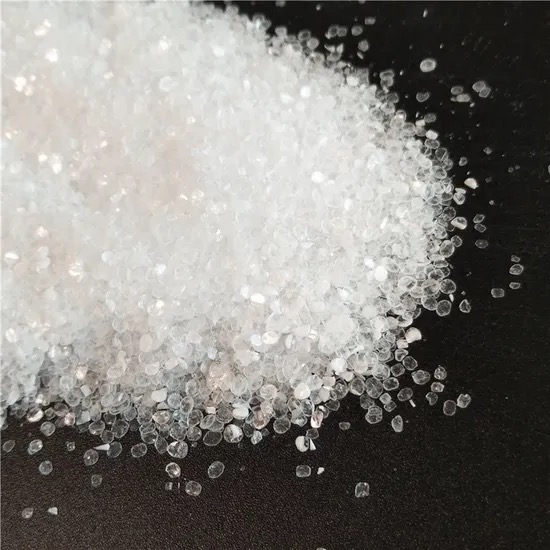
Most evidence indicates that artificial Sweeteners do not cause diabetes directly and are widely used by people with diabetes to manage blood sugar levels, though individual responses and gut microbiota interactions may vary. Some studies note associations with metabolic outcomes in certain contexts, highlighting the importance of overall diet and lifestyle.
Sugar alcohols typically have a smaller impact on postprandial blood glucose than sucrose and can be suitable for many people with diabetes; however, higher doses may cause gastrointestinal symptoms, and total carbohydrate content should be considered in labeling and nutrition facts.
Natural Sweeteners such as steviol glycosides (Stevia) and mogrosides (monk fruit) generally do not raise blood glucose at typical consumption levels, making them common choices for diabetes-friendly formulations.
For most people with diabetes, artificial Sweeteners are permitted and can aid in reducing calorie and carbohydrate intake; monitoring portion sizes and individual responses remains advisable.
Manufacturers should optimize blends that balance sweetness, mouthfeel, and glycemic response, incorporate dietary fibers to enhance satiety, and ensure regulatory compliance and clear labeling across markets.
[1](https://www.oncologyrepublic.com.au/artificial-sweeteners-tied-to-38-higher-diabetes-risk/5278)
[2](https://www.sciencedirect.com/science/article/abs/pii/S1056872725000078)
[3](https://pubmed.ncbi.nlm.nih.gov/40873447/)
[4](https://www.neurology.org/doi/10.1212/WNL.0000000000214023)
[5](https://www.dzd-ev.de/en/press/press-releases/press-releases-2025/artificial-sweeteners-stimulate-hunger-signals-in-the-bra)
[6](https://www.frontiersin.org/journals/nutrition/articles/10.3389/fnut.2025.1587690/full)
[7](https://www1.racgp.org.au/newsgp/clinical/artificially-sweetened-soft-drink-ups-diabetes-ris)
[8](https://www.ajmc.com/view/the-double-edged-sword-of-artificial-sweeteners)
[9](https://www.washingtonpost.com/wellness/2025/08/21/sugar-substitutes-healthy-aspartame-stevia/)
[10](https://www.mayoclinic.org/diseases-conditions/diabetes/expert-answers/artificial-sweeteners/faq-20058038)


