


Content Menu
● The Science Behind Zero-Calorie Sweeteners
● Caloric Comparison Across Sweeteners
● Health Benefits of Low-Calorie Sweeteners
● Applications in Food and Beverages
● Blending Sweeteners for Superior Performance
● Regulatory and Safety Standards
● Innovations Driving Sweetener Evolution
● Consumer Perceptions and Myths
● Sustainability and Future Outlook
● FAQ
>> 1. Do all sweeteners have zero calories?
>> 2. Are natural sweeteners safer or better than artificial ones?
>> 3. Can sweeteners aid weight loss efforts?
>> 4. Are sweeteners suitable for diabetics?
>> 5. How do factories blend sweeteners for products?
Sweeteners have become indispensable in the food, beverage, and healthcare industries, offering sweetness without the caloric burden of sugar. Most sweeteners, especially artificial ones and many natural varieties, contribute zero or negligible calories due to their intense sweetness and minimal metabolic processing.

Sweeteners encompass a broad range of compounds designed to mimic sugar's taste while drastically reducing calorie intake. Artificial sweeteners like aspartame, sucralose, and saccharin dominate this space, providing hundreds of times more sweetness per gram than sucrose, which translates to virtually no calories in practical use. Natural sweeteners, such as stevia and monk fruit extracts, derive from plants and offer similar zero-calorie profiles, making them ideal for health-focused formulations. Sugar alcohols, including erythritol and xylitol—key functional polyols—bridge the gap with low caloric values around 0.2 to 2.4 kcal per gram, far below sugar's 4 kcal per gram.
These sweeteners enable manufacturers to create low-calorie products without compromising flavor. In our factory, specializing in natural sweeteners, functional polyols, and dietary fibers, we blend these ingredients for OEM/ODM services tailored to international clients in food, beverages, and healthcare. Sweeteners like stevia rebaudioside A provide clean sweetness at zero calories, perfect for beverages and tablets.
Sweeteners activate sweet taste receptors on the tongue, primarily through the T1R2/T1R3 protein complex, without delivering significant energy to the body. Many artificial sweeteners, such as sucralose, pass through the digestive system largely unchanged and are excreted in feces or urine, contributing no calories whatsoever. Aspartame breaks down into amino acids and methanol, but its 200-fold sweetness means the amount consumed yields less than 1 calorie per serving, qualifying as "zero" under FDA guidelines of under 5 calories per reference amount.
Natural sweeteners follow suit: stevia glycosides are not metabolized for energy, excreted via urine, ensuring zero caloric impact. Monk fruit's mogrosides offer 300 times sugar's sweetness with no calories, thanks to their non-nutritive nature. Sugar alcohols like erythritol are absorbed minimally in the small intestine, fermented partially by gut bacteria, resulting in just 0.2 kcal/g—95% fewer calories than sugar. This low absorption prevents blood sugar spikes, making these sweeteners invaluable for diabetic-friendly products.
High-intensity sweeteners require only milligrams to match sugar's sweetness in recipes, rendering any potential calories insignificant. For instance, a can of diet soda uses about 180 mg of aspartame, metabolizing to roughly 0.3 calories—negligible compared to sugar's 140 calories.
Artificial sweeteners revolutionized low-calorie dieting. Saccharin, discovered in 1879, is 300-400 times sweeter than sugar and calorie-free since it's not broken down for energy. Sucralose, made by chlorinating sucrose, resists enzymatic digestion, passing through the body intact. Aspartame suits cold applications like beverages but requires blending for heat stability. These sweeteners excel in scalability for mass production.
Demand surges for natural sweeteners amid clean-label trends. Stevia, from the Stevia rebaudiana plant, delivers zero calories and a 200-450x sweetness factor via rebaudiosides. Monk fruit extract, rich in antioxidants, provides similar potency without calories or aftertaste when purified. Our factory extracts high-purity natural sweeteners for blended formulations, ensuring compliance with global standards.
Sugar alcohols serve as versatile sweeteners with bulking properties akin to sugar. Erythritol, a four-carbon polyol, boasts excellent digestive tolerance and 0.2 kcal/g. Xylitol (2.4 kcal/g) offers a cooling effect ideal for gums and oral care. Maltitol and sorbitol fill texture needs in chocolates and baked goods at 2-3 kcal/g. We specialize in functional polyols, blending them with natural sweeteners for optimal mouthfeel in OEM tablets and mixes.
| Sweetener | Type | Sweetness (vs. Sugar) | Calories per Gram | Typical Use |
|---|---|---|---|---|
| Sucrose | Sugar | 1x | 4.0 | Baseline |
| Aspartame | Artificial | 200x | ~4 (negligible) | Beverages |
| Sucralose | Artificial | 600x | 0 | Baking |
| Stevia | Natural | 300x | 0 | Drinks, yogurt |
| Monk Fruit | Natural | 250x | 0 | Sauces |
| Erythritol | Polyol | 0.6x | 0.2 | Baking, tablets |
| Xylitol | Polyol | 1x | 2.4 | Chewing gum |
This table highlights how sweeteners slash calories while matching sweetness.

Sweeteners support weight management by allowing indulgence without caloric excess. Studies show replacing sugar with sweeteners reduces overall energy intake by 10-30%. Diabetics benefit from non-glycemic sweeteners that stabilize blood glucose—no insulin response required. Dental health improves with non-fermentable sweeteners like xylitol, preventing cavities.
In healthcare, sweeteners mask bitter actives in supplements and pharmaceuticals. Paired with our dietary fibers, they enhance satiety in functional foods, promoting gut health and regularity. Natural sweeteners align with wellness trends, avoiding sugar's links to obesity and metabolic syndrome.
Safety profiles are robust: regulatory bodies like FDA, EFSA, and WHO approve sweeteners within acceptable daily intakes (ADIs). Stevia's ADI is 4 mg/kg body weight; aspartame's 50 mg/kg—far exceeding typical consumption.
Beverages lead sweetener adoption: zero-calorie sodas, energy drinks, and flavored waters rely on blends for taste synergy. Stevia and erythritol combinations yield sugar-like profiles in iced teas. Baked goods use polyols for texture retention during heating. Dairy products like yogurts incorporate natural sweeteners for creamy low-cal options.
Our factory excels in mixed sweeteners development, producing custom blends for OEM/ODM clients. We formulate tablet-pressed sweeteners for effervescent drinks and supplements, ensuring stability and precise dosing. Healthcare applications include syrups and chewables where calorie control aids patient compliance.
No single sweetener is perfect—stevia's licorice note pairs with erythritol's bulk for balanced flavor. Aspartame and acesulfame-K blends offer heat stability and cost efficiency. Our expertise crafts synergistic mixes: 70% erythritol, 20% stevia, 10% monk fruit for versatile zero-calorie profiles. These blends minimize off-tastes, maximize sweetness release, and maintain low calories.
In tablet production, compressed sweetener matrices dissolve rapidly without clumping. For beverages, liquid concentrates ensure homogeneity. OEM services scale from prototypes to millions of units.
Global regulations affirm sweeteners' zero-calorie status. FDA's "calorie-free" claim applies to <5 kcal/serving; "reduced calorie" requires 25% less than reference. EU labels disclose per-100g values transparently. China's standards align with Codex Alimentarius, approving stevia and polyols for broad use.
Extensive testing debunks myths: no cancer links for approved sweeteners at real-world doses. Long-term studies confirm safety across populations, including pregnant women and children within ADIs.
Biotechnology boosts natural sweeteners: microbial fermentation yields rebaudioside M, stevia's sweetest glycoside, at zero calories with no aftertaste. Enzyme engineering enhances polyol purity. Allulose, a rare sugar with 0.4 kcal/g, mimics sucrose closely and awaits broader approval.
Sustainability advances: our "company + farmers" model cultivates stevia sustainably, reducing water use. Fermentation cuts land needs versus plant extraction.
Consumers often question: "Are sweeteners truly calorie-free?" Yes—potency ensures minimal mass consumed. Myth: Sweeteners cause cravings. Evidence shows they aid satiety. Natural sweeteners counter "chemical" fears, driving 20%+ market growth.
The low-calorie sweeteners market exceeds $2 billion, growing 5-7% annually. Natural variants capture share from artificial due to premium positioning. Asia, led by Chinese producers like our factory, supplies 40% globally, exporting to US and EU manufacturers.
Eco-friendly sweeteners lower diets' carbon footprint by curbing sugar production's resource intensity. Future blends integrate fibers for ultra-low-cal functional foods. Expect AI-optimized formulations for personalized sweetness.
Sweeteners transform calorie-conscious living, delivering intense sweetness with zero or minimal calories through smart chemistry and biology. From natural stevia and monk fruit to polyol blends, they power innovative food, beverage, and healthcare products. Our factory's OEM/ODM expertise ensures tailored, high-quality sweeteners for global success—embrace them for healthier, tastier futures.
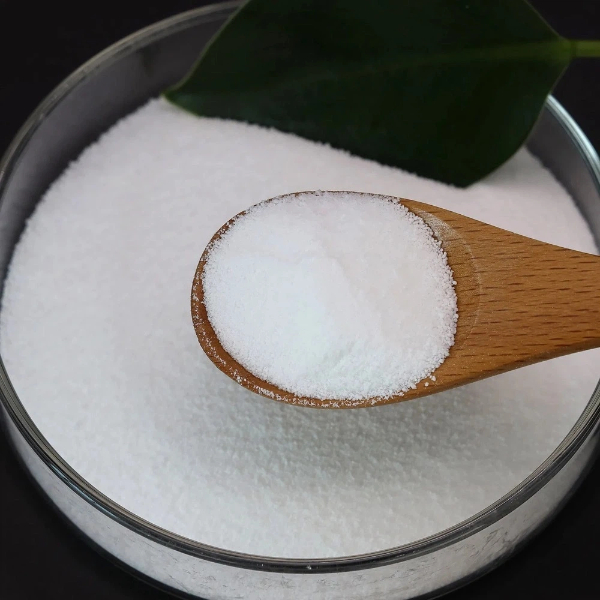
No, artificial and natural sweeteners like stevia and monk fruit are zero calories due to non-metabolism, while sugar alcohols like erythritol offer 0.2 kcal/g—still 95% less than sugar.
Natural sweeteners provide zero calories with plant appeal, but both types are rigorously tested and safe within ADIs. Blends often combine them for optimal taste and function.
Yes, substituting sweeteners for sugar cuts calories significantly, supporting reduced intake in beverages and snacks without sacrificing enjoyment.
Most non-nutritive sweeteners don't impact blood sugar, making them ideal. Polyols have low glycemic indices; consult physicians for personalized use.
Blends synergize strengths—e.g., stevia for sweetness, erythritol for bulk—creating sugar-like profiles at near-zero calories for OEM tablets, drinks, and more.


