


Content Menu
● History of Sucralose Discovery
● Regulatory Approvals for Sucralose
● Scientific Studies on Sucralose Safety
● Sucralose for Special Populations
● Potential Concerns with Sucralose
● Benefits of Sucralose Over Sugar
● Sucralose in Food Manufacturing
● Environmental Impact of Sucralose
● Long-Term Sucralose Consumption
● Sucralose Alternatives Comparison
● Sucralose in Beverages and Health Products
● Future of Sucralose Research
● FAQ
>> 1. What is the ADI for Sucralose?
>> 2. Is Sucralose Safe for Diabetics?
>> 3. Does Sucralose Cause Cancer?
>> 4. Can Pregnant Women Consume Sucralose?
Sucralose is a popular zero-calorie artificial sweetener renowned for its intense sweetness and stability in various food applications. This comprehensive article delves deeply into the safety of sucralose consumption, examining its chemistry, regulatory status, scientific evidence, potential concerns, and practical uses in everyday diets and manufacturing.[1][2]
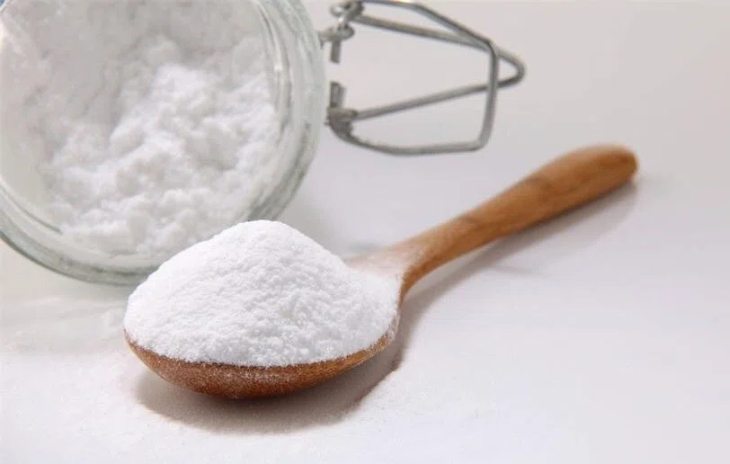
Sucralose is a chlorinated derivative of sucrose, engineered to be approximately 600 times sweeter than table sugar while containing no digestible calories. This unique structure allows sucralose to pass through the human digestive system almost entirely unabsorbed, with about 85-95% excreted unchanged in feces and urine, minimizing any metabolic impact. Sucralose's high sweetness potency means only tiny amounts are needed, making it ideal for reducing sugar content in products without altering volume or texture significantly.[1]
In the food and beverage industry, sucralose excels due to its exceptional heat and acid stability, enabling use in cooked, baked, and processed goods where other sweeteners might degrade. Factories specializing in health solutions, such as those providing OEM/ODM services for natural sweeteners and functional ingredients, frequently incorporate sucralose into blended formulations for optimal taste profiles in beverages, tablets, and supplements. Sucralose's clean, sugar-like flavor lacks the bitter aftertaste common in some alternatives, enhancing consumer acceptance in low-calorie diets.[2][3]
The production of sucralose involves selective chlorination of sucrose molecules, replacing hydroxyl groups with chlorine atoms, which prevents enzymatic breakdown by the body. This process ensures sucralose remains stable across a wide pH range, from acidic sodas to neutral dairy products. For manufacturers targeting the medical healthcare sector, sucralose offers a reliable base for developing functional polyols and dietary fiber blends that support gut health and blood sugar management.[1]
The story of sucralose begins in 1976 at Queen Elizabeth College in London, where researcher Shashikant Phadnis accidentally tasted a chlorinated sugar compound after mishearing "test" as "taste." This serendipitous event sparked decades of research by Tate & Lyle and Johnson & Johnson, leading to over 100 safety studies. Initial approvals came in 1991 in Canada, followed by Australia and New Zealand, with the U.S. FDA granting approval in 1998 for tabletop sweeteners and expanding it in 1999 for general food use.[2][1]
Global adoption accelerated in the early 2000s as obesity rates rose, positioning sucralose as a key tool for calorie reduction. By 2025, sucralose permeates thousands of products worldwide, from diet sodas to chewing gums, with production scaled by specialized factories blending sucralose with natural sweeteners like stevia for enhanced appeal. Regulatory milestones include EFSA approval in 2000 and JECFA's endorsement, solidifying sucralose's place in international food standards.[3][4]
This history underscores sucralose's evolution from lab curiosity to staple ingredient, driven by rigorous testing that confirmed its safety profile long before widespread commercialization. Manufacturers today leverage this legacy, offering custom sucralose-based OEM solutions for export markets seeking clean-label, health-oriented products.[1]
Sucralose enjoys robust endorsements from top global authorities. The FDA established an Acceptable Daily Intake (ADI) of 5 mg/kg body weight, equivalent to roughly 23 packets of sucralose sweetener per day for a 70kg adult—levels far exceeding typical consumption. The EFSA and JECFA set a higher ADI of 15 mg/kg, reflecting a conservative safety margin built on extensive toxicology data.[2][1]
These approvals stem from comprehensive reviews of over 110 studies, including multi-generational animal trials showing no evidence of cancer, birth defects, or neurological issues. Sucralose is classified as "not genotoxic" and "not carcinogenic," with no observed adverse effect levels (NOAEL) exceeding 1,000 times typical human intake. In the EU, sucralose is authorized under E955, while over 100 countries permit its use, affirming its global safety consensus.[5][2][1]
For food factories focused on beverages and healthcare, these regulations provide confidence in scaling sucralose production for OEM tablet pressing and mixed sweetener development. Ongoing post-market surveillance continues to validate sucralose's safety.[3]
Decades of peer-reviewed research affirm sucralose's safety. Human clinical trials demonstrate no impact on glucose homeostasis, making sucralose suitable for diabetics; it elicits minimal insulin response even in sensitive individuals. Long-term rodent studies at doses up to 3% of diet—thousands of times human exposure—revealed no tumors or reproductive toxicity.[6][7][2][1]
A 2024 review in PMC highlighted metabolic controversies from high-dose animal models but emphasized irrelevance to human consumption, as sucralose's non-absorption prevents such effects. Gut microbiome studies in humans show transient, insignificant changes at ADI levels, unlike exaggerated rodent findings. Sucralose's stability ensures no formation of harmful chloropropanols under normal processing.[5][6]
In vitro and in vivo genotoxicity tests consistently negative, with no DNA damage observed. Epidemiological data from high-sucralose consumers, like diet soda drinkers, link to no increased disease risk. Our expertise in sucralose blends supports evidence-based formulations for functional foods.[7][2]
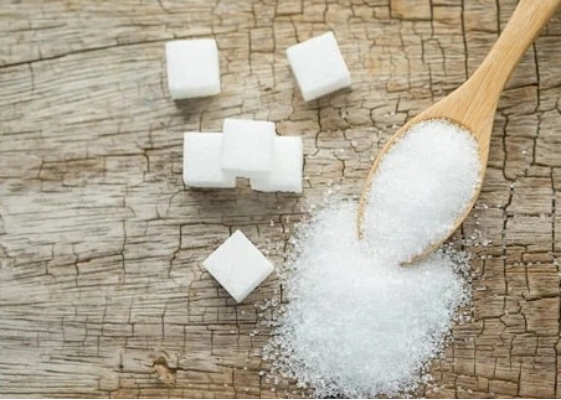
Average daily sucralose intake hovers at 1-2 mg/kg, well below ADI, primarily from beverages (38%), tabletop sweeteners (21%), and baked goods (15%). Integrating sucralose into meals maintains palatability during sugar reduction, aiding weight management without hunger. In beverages, sucralose prevents microbial growth better than sugar, extending shelf life.[2][1]
Cooking with sucralose preserves sweetness in recipes like muffins or sauces, unlike aspartame. For healthcare products, combining sucralose with dietary fibers creates synbiotic effects, promoting digestive wellness. Daily use supports oral health by avoiding sugar's decay-promoting properties.[3][2]
Children tolerate sucralose safely within ADI-equivalent portions, with no growth or behavioral effects in studies. Pregnant and lactating women face no risks, as placental transfer is negligible and breast milk contains trace amounts. Diabetics rely on sucralose for glycemic control, with meta-analyses confirming no HbA1c elevation.[1][2]
Elderly populations benefit from sucralose in nutrient-dense, low-calorie formulations, countering sarcopenia-linked sweet cravings. Athletes use sucralose in energy drinks for hydration without GI distress. Tailored OEM services ensure sucralose suits diverse needs.[5][3]
Some high-dose animal studies suggested gut dysbiosis or inflammation, but human trials refute this at realistic intakes. WHO's 2023 advisory on non-sugar sweeteners noted conditional risks for obesity, yet affirmed sucralose's safety within limits. Thermal degradation products are minimal and non-toxic.[6][5]
Heating sucralose beyond 250°C could form trace chloropropanols, but food processing avoids this. Allergic reactions are exceedingly rare. Moderation eliminates concerns.[1]
Sucralose slashes calories by 99% versus sugar, facilitating 10-20% dietary reductions. It resists fermentation, preventing cavities, and suits keto/paleo diets. Synergy with polyols enhances mouthfeel in beverages.[3][2][1]
Specialized factories excel in sucralose tablet compression and blending for OEM export. Trends favor sucralose-stevia hybrids for natural appeal. Versatility spans gummies to protein bars.[4][3]
Sucralose's persistence in waterways is low-risk due to dilution; treatment plants remove 80-90%. Sustainable practices align with fiber-polyol production.[3][1]
Non-fermentable sucralose bypasses colonic bacteria, preserving microbiota balance. Benefits fiber-rich diets.[6][2]
Post-market data from 25+ years shows no chronic diseases. Safe for lifelong use.[7]
| Sweetener | Sweetness (vs Sugar) | Calories | Stability | Safety Notes |
|---|---|---|---|---|
| Sucralose | 600x | 0 | High | ADI 5 mg/kg, fully approved |
| Aspartame | 200x | Low | Low heat | Phenylalanine warning |
| Stevia | 300x | 0 | High | Natural, blends well |
| Monk Fruit | 250x | 0 | High | Antioxidant-rich |
| Erythritol | 0.7x | 0.2 | High | Cooling effect, polyol |
Sucralose dominates sugar-free drinks, ensuring clarity and stability. OEM tablets for supplements leverage its precision dosing.[2][3]
Emerging studies explore sucralose-fiber synergies, reinforcing safety.[5]
Sucralose stands as a safe, effective sweetener backed by rigorous science and global approvals, ideal for health-conscious manufacturing. Its versatility in blends supports innovative OEM solutions for food, beverage, and healthcare industries.
The FDA sets sucralose ADI at 5 mg/kg body weight daily, safe for lifetime use.[2][1]
Yes, sucralose does not raise blood sugar, ideal for diabetes management.[2]
No evidence in humans; regulatory bodies confirm non-carcinogenic.[7][1]
Yes, within ADI, with no risks to mother or fetus.[2]
Sucralose is derived from sugar but artificial; safe like many naturals.[1]
[1](https://en.wikipedia.org/wiki/Sucralose)
[2](https://ific.org/insights/everything-you-need-to-know-about-sucralose/)
[3](https://www.howtiangroup.cn/solutions-food)
[4](https://pdf.dfcfw.com/pdf/H3_AP202412131641289648_1.pdf)
[5](https://pmc.ncbi.nlm.nih.gov/articles/PMC10971371/)
[6](https://www.healthline.com/nutrition/sucralose-good-or-bad)
[7](https://health.clevelandclinic.org/is-sucralose-splenda-bad-for-you)


