

This article explains what Sorbitol is, how Sorbitol works in the body, and when Sorbitol can be considered healthy. It covers Sorbitol's benefits for sugar reduction and dental health, its digestive side effects, emerging research, regulatory views, and practical tips for using Sorbitol wisely.
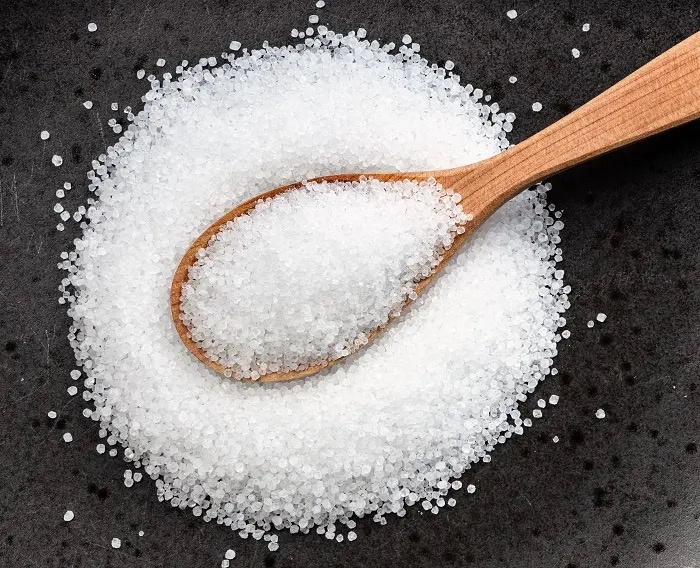
Sorbitol is a natural sugar alcohol, not an artificial sweetener, offering partial sweetness with fewer calories and valuable humectant properties for moisture and texture. It supports sugar reduction in foods, confections, and beverages while enabling clean-label formulations. For healthcare products, sorbitol serves as an excipient and stabilizer. This article explains its role, regulatory considerations, and practical integration for overseas OEM/ODM collaborations, highlighting Sorbitol's potential in blended-sweetener development and tablet production within your health-solution-focused factory.
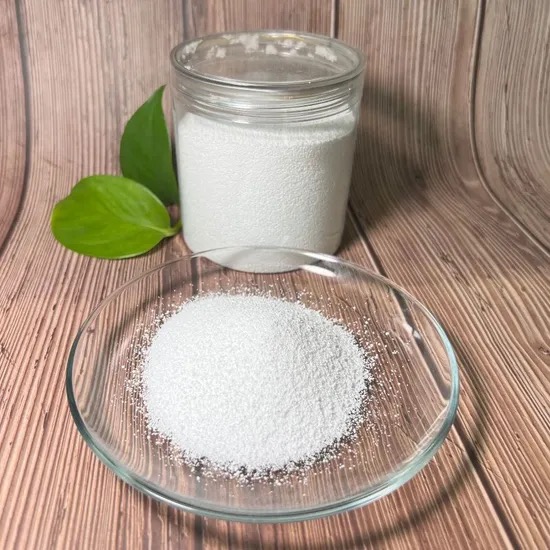
This article introduces Sorbitol, a versatile sugar alcohol used as a low-calorie sweetener and functional ingredient in foods and medicines, and contextualizes its safety, regulatory status, formulation strategies, and manufacturing considerations for overseas partners seeking reliable OEM/ODM support.

Sorbitol, a sugar alcohol derived from fruits and corn syrup, is a popular sugar substitute and laxative known for fewer calories and minimal blood sugar impact. Recognized as safe globally, its excessive consumption may cause digestive discomfort. Sorbitol is valued for dental health benefits and diabetic suitability but should be used cautiously by individuals with digestive issues. This article details sorbitol's uses, benefits, side effects, safety, and alternatives for a comprehensive understanding of this widely used ingredient.
