
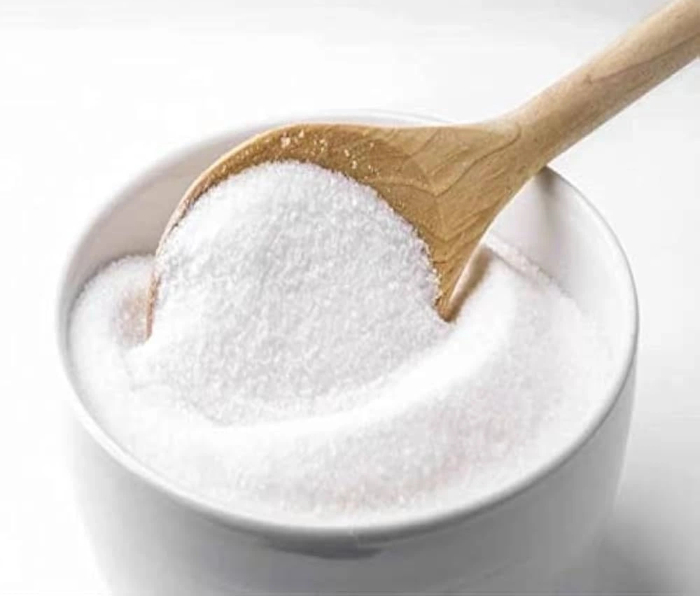
Erythritol is a natural, zero-calorie sweetener produced via yeast fermentation of plant-derived glucose. It provides 70% of sugar's sweetness without raising blood sugar or causing tooth decay. Its clean taste, safety, and functional benefits make it a leading ingredient for healthier, sugar-reduced foods and beverages.
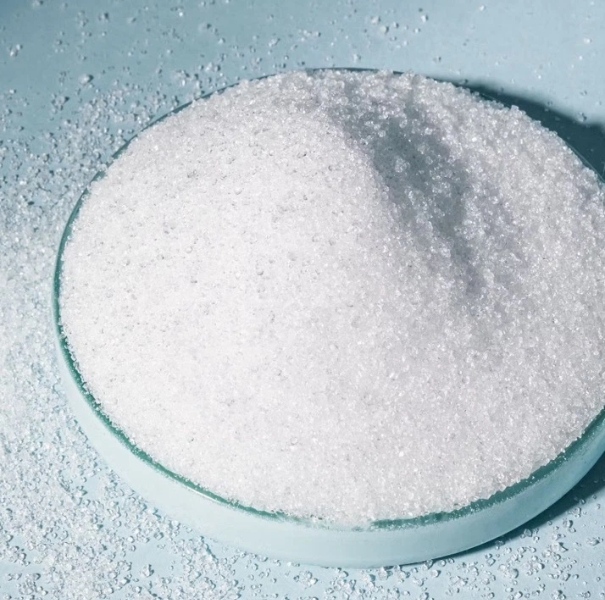
Erythritol is a natural, zero-calorie sweetener with a clean taste, safety profile, and unique health benefits. It does not impact blood sugar, is kind to teeth, supports various dietary needs, and is recognized as safe by regulators. Erythritol is a leading choice for food and beverage manufacturers seeking healthy alternatives to sugar and other polyols.
This article covering production, health considerations, regulatory perspectives, and applications for overseas manufacturers in food, beverage, and healthcare sectors. Emphasizes Erythritol and blended sweetener strategies for OEM/ODM success.
This article aims to provide a balanced view on erythritol, integrating current research, industry practices, and consumer considerations.It emphasizes practical implications for formulation, labeling, and safety oversight.It closes with actionable guidance for researchers, developers, and stakeholders in the food, beverage, and health sectors.
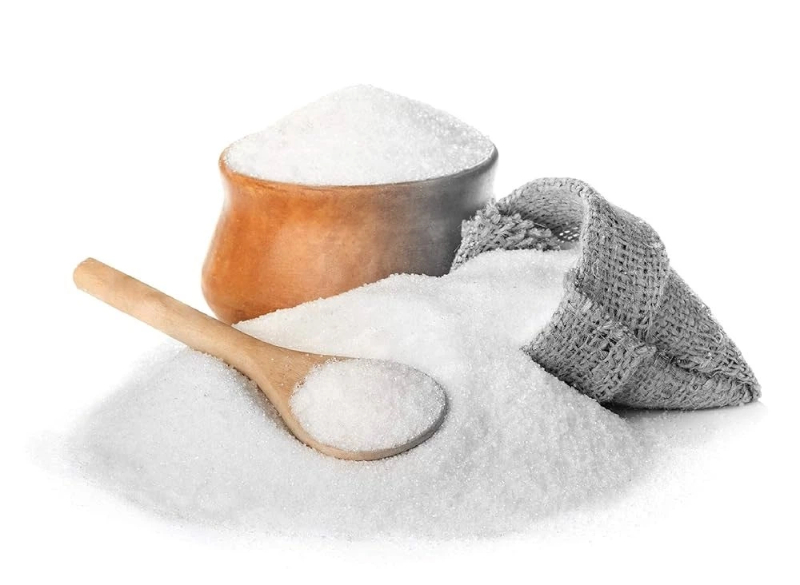
This article provides a comprehensive overview of erythritol, a popular low-calorie sugar substitute, exploring both its benefits and emerging health concerns. While erythritol offers sweetness without affecting blood sugar or causing digestive distress, new research reveals its potential to increase oxidative stress, impair blood vessel function, and raise risks for cardiovascular events like heart attacks and strokes. Moderation and awareness are advised, particularly for vulnerable populations. Further studies are needed to clarify its long-term safety and guide consumption.

Erythritol is a widely used natural sweetener with benefits for blood sugar control and dental health. Yet, emerging research raising concerns about its potential vascular effects calls for cautious, moderate consumption pending further long-term safety studies. This article helps consumers and manufacturers understand erythritol's evolving safety profile and make informed decisions.
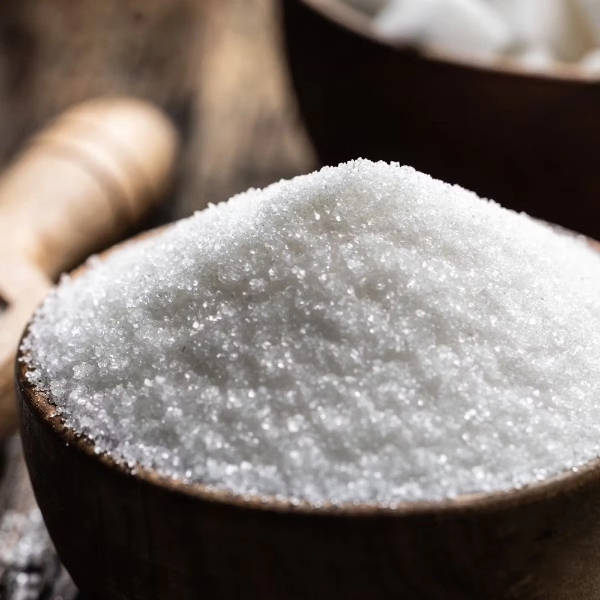
Erythritol is a natural, low-calorie sugar alcohol widely used as a sweetener in various foods and drinks. It offers benefits like zero glycemic impact, dental health support, and potential antioxidant properties. However, large quantities may cause digestive discomfort, and emerging research calls for more investigation into its cardiovascular effects. Overall, erythritol is a safe and effective sugar alternative when consumed moderately within recommended limits.

Erythritol is a natural sugar alcohol favored for zero calories and minimal blood sugar impact. It is mostly absorbed and excreted unchanged, causing fewer digestive issues than other sugar alcohols. Diarrhea may occur at high doses due to osmotic effects. Gradual intake helps prevent digestive upset, making erythritol a safe sugar alternative for most people.

Erythritol, a natural low-calorie sweetener, is generally safe when consumed within 0.5 grams per kilogram of body weight daily—about 30-40 grams for most adults. Widely used in food, beverage, and healthcare industries, it offers benefits like zero glycemic impact and minimal digestive side effects compared to other sugar alcohols. Careful formulation and consumption ensure safe use for health-conscious products worldwide.
