

Aspartame is a scientifically validated low-calorie sweetener made of natural amino acids and a minor methanol component, widely used as a sugar substitute in foods and beverages. It is safe for the general population within established limits, offering an effective way to reduce sugar intake without compromising sweetness.
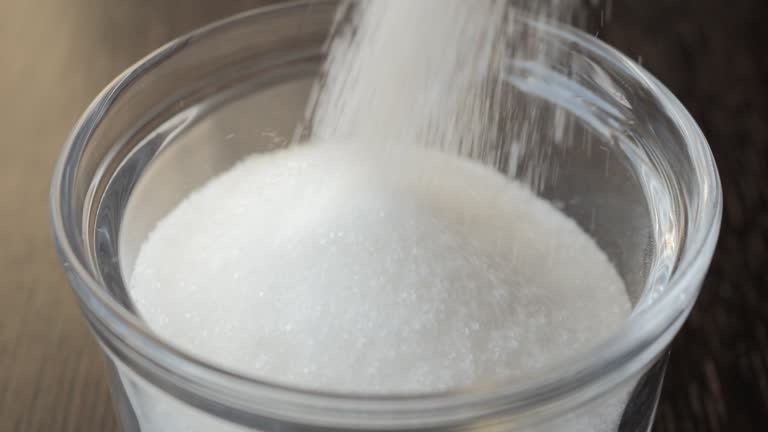
This article clarifies that aspartame does not contain erythritol, explaining their distinct chemical nature, sources, uses, and safety profiles. Aspartame is a highly sweet artificial sweetener from amino acids, while erythritol is a low-calorie natural sugar alcohol. Emerging studies on erythritol's cardiovascular effects are discussed alongside regulatory approvals. This knowledge helps consumers and manufacturers make informed decisions on sweetener use in foods, beverages, and healthcare products.
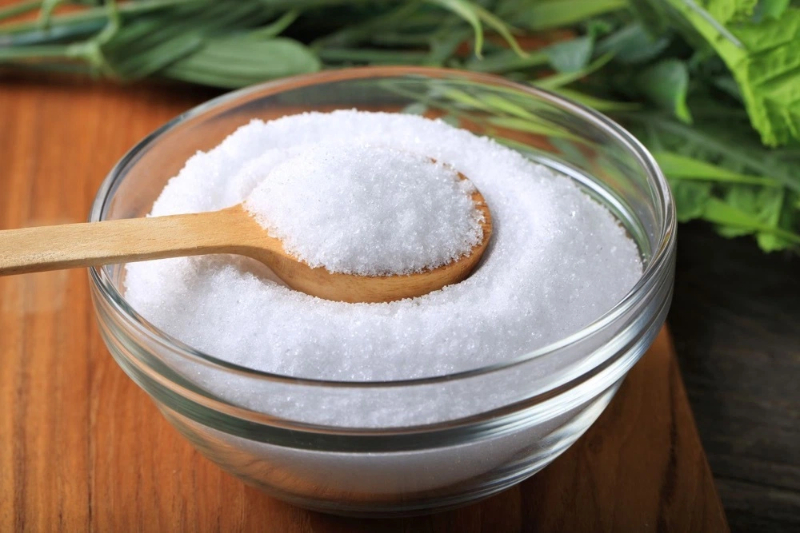
Aspartame and xylitol are two distinct sweeteners widely used across various sectors. Aspartame is a calorie-free artificial sweetener composed of amino acids, intensively sweet without calories. Xylitol is a natural sugar alcohol with dental benefits and fewer calories than sugar. Aspartame does not contain xylitol, and both have different uses, health considerations, and safety profiles. Knowing these differences helps manufacturers produce healthier, appealing products and aids consumers in making informed dietary choices.
