
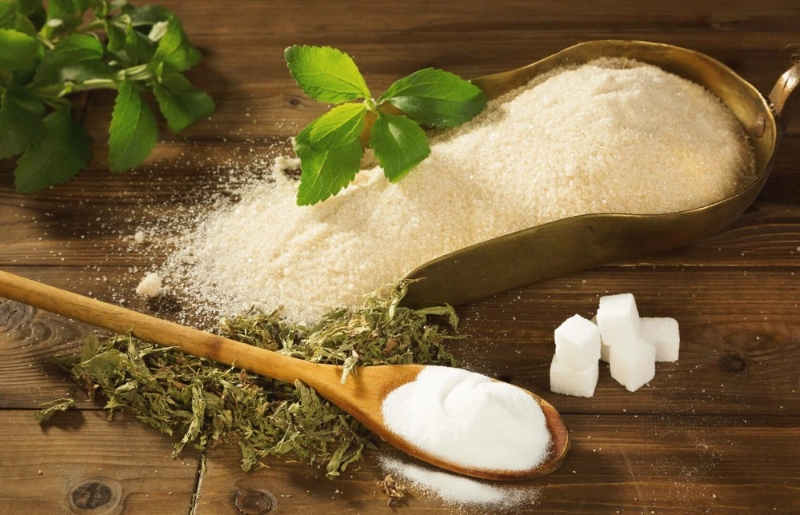
This article comprehensively evaluates the healthiest artificial sweeteners as of 2025, highlighting natural sweeteners like stevia and monk fruit as preferred options due to safety and health benefits. It reviews synthetic sweeteners, emerging research on cognitive and cardiovascular risks, and developmental concerns. Practical advice emphasizes moderation, awareness of individual health contexts, and staying updated on scientific findings regarding sweeteners' long-term effects. This knowledge supports healthier food and beverage innovation focused on balanced sweetness solutions.
This article clarifies that sucralose is an artificial sweetener chemically derived from sugar and is approximately 600 times sweeter without calories, while Splenda is the branded product containing sucralose plus bulking agents. It explores their history, uses in food, beverages, and healthcare, discusses safety and culinary properties, and answers common questions, helping producers and consumers understand these sweeteners' important roles in health-focused solutions.
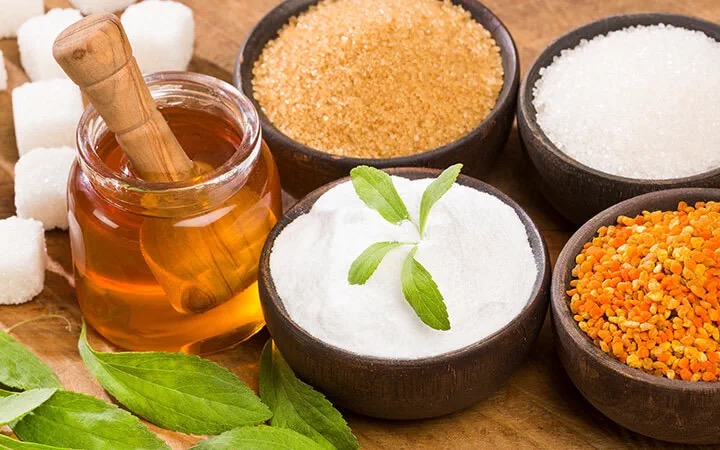
This comprehensive guide on artificial sweeteners highlights the safest options like stevia, sucralose, and sugar alcohols, explaining their regulatory status, applications, and health considerations. It aims to inform manufacturers and consumers about choosing effective, safe sweeteners that reduce sugar intake without compromising flavor or health.
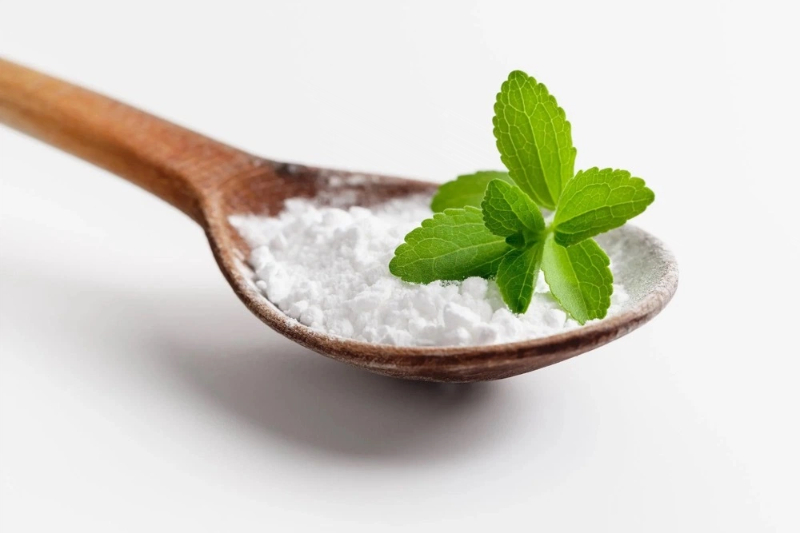
This article clarifies that stevia does not contain aspartame, highlighting stevia's natural origins and health benefits compared to the synthetic nature of aspartame. It explains their differences in taste, safety, and uses while addressing common questions about these popular sweeteners. Stevia is not only calorie-free but also offers meaningful benefits for blood sugar control, making it a superior choice for health-conscious consumers and those managing metabolic diseases.
